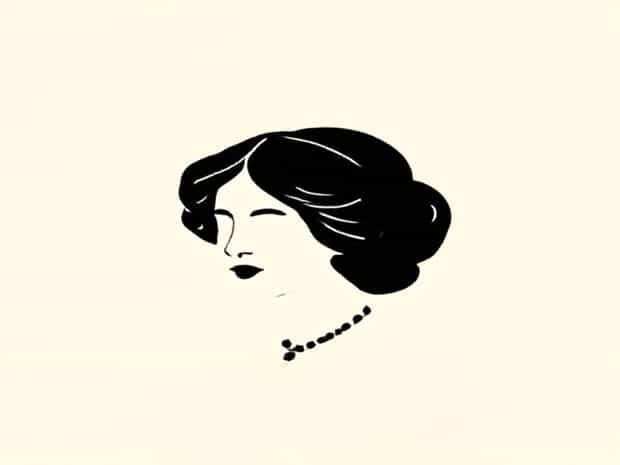
Mary Wollstonecraft Que Pensaba
Mary Wollstonecraft is often remembered as one of the earliest and most influential advocates of women’s rights in modern Western thought. Her ideas were revolutionary for the late eighteenth century, challenging social structures that limited women’s potential and calling for equal access to education, rational freedom, and moral independence. To ask Mary Wollstonecraft, qué pensaba is to explore not only her personal beliefs but also the broader philosophical and political context of her time. Her writings continue to inspire debates about gender, equality, and human progress, making her voice still relevant today.
The Context of Wollstonecraft’s Ideas
Mary Wollstonecraft lived during a time of immense social and political upheaval. The Enlightenment had promoted reason and universal rights, while revolutions in America and France demonstrated the power of such ideals. However, women were largely excluded from these promises of freedom and justice. In this environment, Wollstonecraft asked difficult questions about justice and equality, insisting that women should not be left out of the conversation.
Influence of the Enlightenment
The Enlightenment emphasized rational thought and individual liberty. Thinkers like Rousseau and Locke influenced Wollstonecraft, though she disagreed with Rousseau’s view that women should be educated only to please men. Instead, she believed reason was a universal human faculty, not restricted by gender. For Wollstonecraft, women deserved the same intellectual development as men.
Her Thoughts on Education
One of the most striking elements of Mary Wollstonecraft’s philosophy is her insistence on equal education. She argued that the lack of opportunities for women was not proof of inferiority but rather a result of social conditioning and denial of access.
- She believed education should prepare women to be independent thinkers, not just obedient wives or mothers.
- Schools, she argued, should be co-educational, allowing boys and girls to learn side by side.
- For Wollstonecraft, education was the key to moral virtue, intellectual growth, and social progress.
In her famous workA Vindication of the Rights of Woman(1792), she strongly criticized the superficial education provided to women, which emphasized appearance and charm over reason and virtue.
Mary Wollstonecraft’s Views on Gender Equality
When we ask Mary Wollstonecraft, qué pensaba, one of her central convictions was the belief in equality between men and women. However, her idea of equality was not about erasing differences but about granting women the same opportunities to develop their rational and moral capacities.
Critique of Social Roles
She rejected the notion that women were naturally weak or dependent. Instead, she argued that society deliberately cultivated these traits by restricting women’s choices. By treating women as ornaments or dependents, society prevented them from fulfilling their true potential.
Marriage and Relationships
Wollstonecraft also questioned the dynamics of marriage in her time. She believed that true companionship and love could only exist when both partners were equals. If a woman was forced into dependence, she could not freely engage in a relationship based on respect and rational understanding.
Political and Social Reform
Her ideas extended beyond private life into broader political and social reform. Wollstonecraft saw women’s subjugation as part of a larger system of inequality and injustice. Just as tyrannical governments oppressed citizens, patriarchal customs oppressed women.
- She supported democratic ideals and thought women should have a voice in political matters.
- She criticized aristocratic privilege and called for a more meritocratic society.
- She believed moral progress required the liberation of women as rational beings.
Her political philosophy reflects both Enlightenment universalism and a radical push toward including women in the social contract.
Moral Philosophy and Human Nature
Mary Wollstonecraft believed that men and women shared the same moral nature because both were rational beings. She argued that virtue was not gendered; what was virtuous for men was also virtuous for women. This was a direct challenge to the double standards of her time, which often excused male behavior while strictly policing female conduct.
Virtue and Independence
For Wollstonecraft, independence was a moral necessity. A woman dependent on her husband or on superficial charm could not cultivate true virtue. Instead, she needed economic and intellectual independence to act morally and responsibly.
Rationality as the Basis of Equality
By grounding her argument in reason, Wollstonecraft placed women firmly within the Enlightenment framework of universal human rights. If reason was the foundation of freedom and morality, then denying women access to education and participation in society was unjustifiable.
Personal Experiences Shaping Her Beliefs
Wollstonecraft’s own life influenced her philosophy. She struggled with financial insecurity, complicated relationships, and the challenges of living as an independent woman in a patriarchal society. Her experiences gave urgency and authenticity to her writings. She was not only a philosopher but also someone who lived the consequences of the inequalities she criticized.
Her Relationships
Her relationship with Gilbert Imlay and later with William Godwin showed her attempt to live out her ideals of companionship and equality. Though her personal life was marked by difficulties, her commitment to independence and honesty remained consistent.
Legacy of Her Thought
Mary Wollstonecraft’s ideas were not fully embraced in her lifetime, but they laid the groundwork for later feminist movements. Her insistence on equal education and rational independence continues to influence debates on women’s rights and gender justice.
- Early feminists in the 19th century drew inspiration from her writings.
- Her arguments remain central in discussions of gender equality in education and politics.
- Her vision of partnership in marriage anticipated modern ideals of companionship and mutual respect.
Modern Relevance
Today, her work is studied not only as a historical contribution but as a living philosophy. The questions she raised about education, equality, and virtue remain highly relevant. Her call for equal opportunities resonates in ongoing discussions about access to education, workplace equity, and political representation for women.
To understand Mary Wollstonecraft, qué pensaba is to recognize her as a visionary who saw beyond the limitations of her society. She believed that women, like men, were rational and moral beings capable of shaping their own destinies. Her defense of education, equality, and independence was rooted in Enlightenment ideals but extended them in radical ways. Though her life was short, her intellectual legacy continues to challenge and inspire. In her thought, we find a powerful reminder that justice cannot be partial and that the freedom of humanity must include women fully and equally.