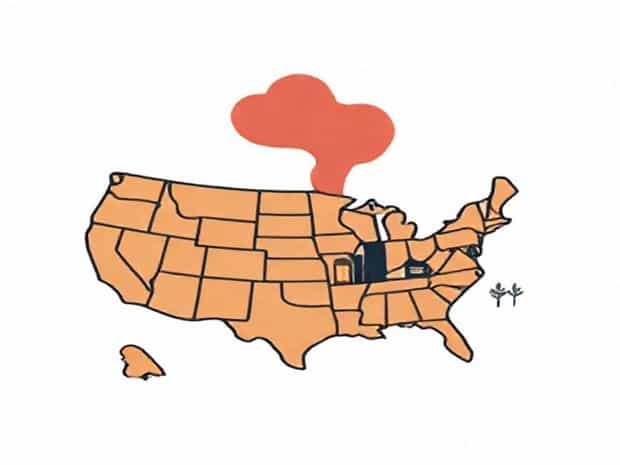
Is The United States The Biggest Polluter
The issue of environmental pollution has become one of the most pressing concerns of the 21st century, with countries worldwide grappling with industrial emissions, deforestation, and greenhouse gas outputs. Among these discussions, a common question arises is the United States the biggest polluter in the world? This question is complex, as it involves analyzing different types of pollution, historical contributions, per capita emissions, and global industrial practices. Understanding the role of the United States in global pollution requires examining various environmental metrics, economic factors, and policy measures aimed at reducing emissions and promoting sustainability.
Understanding Pollution and Its Types
Pollution refers to the introduction of harmful substances or products into the environment, which can have detrimental effects on ecosystems, human health, and the climate. It can take several forms
- Air PollutionEmissions from vehicles, factories, and power plants releasing carbon dioxide, methane, sulfur dioxide, and nitrogen oxides into the atmosphere.
- Water PollutionContamination of rivers, lakes, and oceans through industrial discharge, agricultural runoff, and untreated sewage.
- Soil PollutionAccumulation of hazardous chemicals from pesticides, heavy metals, and industrial waste affecting soil quality and agriculture.
- Plastic and Waste PollutionNon-biodegradable waste accumulating in landfills and oceans, harming wildlife and ecosystems.
Global Pollution Metrics
When considering whether the United States is the biggest polluter, it is essential to look at key metrics such as total greenhouse gas emissions, per capita emissions, and historical contributions. According to recent data, the U.S. remains one of the top contributors to global carbon dioxide emissions, largely due to its industrial activities, transportation sector, and energy consumption patterns.
Total Greenhouse Gas Emissions
The United States produces significant amounts of greenhouse gases, particularly carbon dioxide (CO2), which is the primary driver of global warming. As of recent statistics, the U.S. is among the top three countries with the highest annual emissions, alongside China and India. Industrial production, transportation, energy generation, and commercial activities account for the majority of these emissions.
Per Capita Emissions
Another important measure is per capita emissions, which consider the amount of pollution produced per person. The United States ranks high in per capita carbon emissions due to its high energy consumption, reliance on fossil fuels, and lifestyle factors that contribute to increased energy use and waste production. In contrast, countries with larger populations may produce more total emissions but have lower per capita outputs.
Historical Contributions to Pollution
Historical emissions also play a crucial role in evaluating the United States’ responsibility for global pollution. Since the Industrial Revolution, the U.S. has been one of the largest emitters of greenhouse gases, contributing significantly to the accumulation of CO2 in the atmosphere. This historical perspective is important because greenhouse gases remain in the atmosphere for decades, meaning past emissions continue to influence climate change today.
Comparison with Other Countries
- ChinaCurrently the largest total emitter due to rapid industrialization and high energy demands.
- IndiaGrowing industrial output and energy needs have increased emissions, though per capita emissions remain lower than in the U.S.
- European UnionGenerally lower per capita emissions due to stronger environmental regulations and renewable energy adoption.
Factors Contributing to U.S. Pollution
The United States’ significant pollution levels are linked to multiple factors. Energy consumption is one of the primary contributors, with a high reliance on fossil fuels for electricity, heating, and transportation. Additionally, industrial production, widespread vehicle use, and consumer lifestyle habits all contribute to the country’s environmental footprint.
Energy Sector
Coal, natural gas, and oil remain major energy sources in the U.S., releasing large quantities of carbon dioxide and other greenhouse gases. Although renewable energy is growing, fossil fuels still dominate the energy mix, contributing to air pollution and climate change.
Transportation
The United States has one of the largest vehicle fleets in the world, leading to high emissions from cars, trucks, and airplanes. Transportation accounts for a significant portion of national CO2 emissions, and urban sprawl encourages long commutes and higher fuel consumption.
Industrial Activities
Manufacturing, mining, and chemical production release greenhouse gases, toxic chemicals, and particulate matter. Industrial pollution also affects water and soil quality, contributing to broader environmental degradation.
Policies and Mitigation Efforts
Despite being a significant polluter, the United States has implemented several policies aimed at reducing emissions and promoting environmental sustainability. These efforts include regulations on industrial emissions, promotion of renewable energy, vehicle efficiency standards, and participation in international agreements such as the Paris Climate Accord.
Renewable Energy Initiatives
- Expansion of solar, wind, and hydroelectric power to reduce reliance on fossil fuels.
- Incentives for homeowners and businesses to adopt energy-efficient technologies.
- Investment in research and development for cleaner energy solutions.
Emission Regulations
Environmental Protection Agency (EPA) standards regulate emissions from power plants, factories, and vehicles. Policies aim to limit greenhouse gases, reduce air pollutants, and ensure compliance with environmental laws to protect public health and the climate.
International Cooperation
The U.S. participates in global efforts to combat climate change, including the Paris Agreement, which sets targets for emission reductions and promotes collaboration among countries to address environmental challenges collectively.
Public Awareness and Lifestyle Changes
Individual actions and public awareness also play a vital role in reducing pollution. Americans are increasingly adopting sustainable practices such as reducing energy consumption, recycling, using public transportation, and supporting eco-friendly products. Education and advocacy are crucial for encouraging behavioral changes that complement governmental policies and corporate responsibility.
Role of Education and Advocacy
- Environmental education programs in schools and communities.
- Promotion of sustainable practices through media and campaigns.
- Encouragement of corporate responsibility and environmentally friendly business practices.
- Community initiatives to reduce local pollution and promote green spaces.
while the United States is one of the largest contributors to global pollution, especially in terms of per capita emissions and historical greenhouse gas output, it is not the sole “biggest polluter when considering total emissions today, as countries like China currently surpass it in total output. However, the U.S.’s historical responsibility, high energy consumption, and industrial activities make it a significant player in global environmental issues. Efforts to reduce pollution through renewable energy, emission regulations, international cooperation, and public awareness are crucial for mitigating the impact. Understanding the United States’ role in pollution highlights the need for coordinated global action and responsible environmental stewardship to ensure a sustainable future for all.