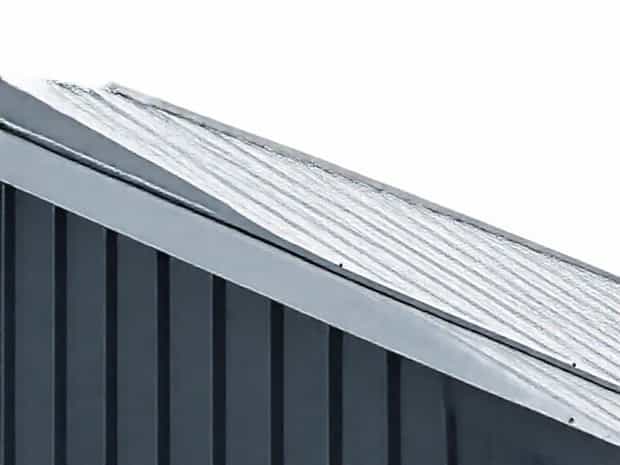
Marring To Metal Roof Materials
Metal roofs are a popular choice for residential and commercial buildings due to their durability, longevity, and modern aesthetic appeal. However, despite their robust nature, metal roof materials are susceptible to marring during installation, maintenance, or even routine use. Marring refers to surface damage such as scratches, dents, or abrasions that can affect both the appearance and performance of metal roofing. Understanding what causes marring, how to prevent it, and the appropriate methods for repair is crucial for homeowners, contractors, and roofing professionals to maintain the roof’s integrity and appearance over time.
What is Marring on Metal Roof Materials?
Marring occurs when the surface of a metal roof is physically damaged, resulting in scratches, scuffs, or indentations. These imperfections may seem minor, but they can compromise the protective coatings applied to the metal, such as paint or galvanization, which are essential for preventing corrosion and extending the lifespan of the roof. Marring can occur during delivery, handling, installation, or maintenance activities, and if left unaddressed, it may lead to rust formation, water leakage, or aesthetic deterioration.
Common Causes of Marring
- Improper HandlingDropping panels, dragging them across rough surfaces, or stacking them incorrectly can create scratches and dents.
- Installation ToolsUsing metal tools or improper fasteners can scratch or dent the roof surface during installation.
- Foot TrafficWalking on metal roofs without appropriate footwear or protective measures can leave scuff marks or depressions.
- Environmental FactorsFalling debris such as branches, hail, or heavy objects during storms can cause marring.
- TransportationPanels transported without proper padding or protection can rub against each other, resulting in surface damage.
Types of Marring on Metal Roofs
Understanding the types of marring helps in selecting the correct repair and prevention strategies. The most common types include
Scratches
Surface-level abrasions that remove the protective paint or coating. Scratches can vary in depth, and deeper scratches are more likely to lead to corrosion if not treated promptly.
Dents
Indented areas on the metal caused by impact from tools, hail, or other objects. Dents can affect water drainage and may compromise structural integrity if severe.
Scuffs
Surface marks that do not penetrate the metal but affect the appearance. Scuffs are often caused by sliding tools, shoes, or moving materials across the roof surface.
Preventing Marring on Metal Roofs
Preventive measures are the most effective way to protect metal roofs from marring. Taking proactive steps during delivery, handling, installation, and maintenance can significantly reduce the risk of surface damage.
Proper Handling and Transportation
- Use protective padding between panels during transport.
- Avoid dragging metal sheets across rough surfaces.
- Lift and carry panels using appropriate techniques to prevent scratches and dents.
Use of Correct Tools and Fasteners
- Ensure tools are clean and free from debris that may scratch the surface.
- Use fasteners recommended by the manufacturer to avoid over-tightening or surface damage.
- Consider using rubber or plastic mallets instead of metal hammers where impact is necessary.
Safe Foot Traffic Practices
- Walk only on designated walkways or support points to avoid bending or denting panels.
- Wear soft-soled shoes to minimize scuffing and scratches.
- Use roof protection mats or boards when moving heavy equipment or materials across the roof.
Environmental Considerations
- Inspect the area for potential hazards like overhanging branches that could fall and damage the roof.
- Remove loose debris regularly to prevent accidental surface impact.
Repairing Marring on Metal Roof Materials
If marring occurs, timely repair is important to prevent corrosion and restore aesthetics. The appropriate repair method depends on the type and severity of the damage.
Scratch Repair
- For minor scratches, cleaning the area and applying touch-up paint recommended by the manufacturer can restore protection and appearance.
- Deeper scratches may require sanding, priming, and repainting to prevent rust formation.
Dent Repair
- Small dents can sometimes be repaired using specialized metal dent removal tools.
- For larger or structurally significant dents, panel replacement may be the most reliable solution to maintain roof integrity.
Scuff Removal
- Light scuffs can often be buffed or polished with non-abrasive materials.
- Ensure that polishing does not remove the protective coating of the metal roof.
Choosing the Right Metal Roof Material to Minimize Marring
Some metal roof materials are more resistant to marring than others. Choosing the right type of metal, coating, and finish can reduce the risk of surface damage and make maintenance easier.
Galvanized and Galvannealed Steel
These materials are coated to resist corrosion and scratches, making them more durable against minor marring during installation and use.
Aluminum Roofing
Aluminum is lightweight and naturally corrosion-resistant, but it can be prone to dents. Proper handling and protective coatings can minimize the risk.
Pre-Painted or Coated Metal
Roof panels with factory-applied coatings provide additional protection against marring. High-quality paint systems such as Colorbond or Kynar offer both aesthetic appeal and durability, helping maintain the roof’s appearance over time.
Marring to metal roof materials is a common issue that can affect both the functionality and aesthetics of a roof. Scratches, dents, and scuffs may seem minor initially, but if left untreated, they can lead to corrosion, water damage, and costly repairs. Prevention through proper handling, careful installation, use of correct tools, and attention to environmental hazards is essential to maintaining the integrity of a metal roof. When damage occurs, timely repair using appropriate techniques such as touch-up painting, dent removal, or panel replacement is critical to ensure the roof continues to perform effectively and looks visually appealing.
Choosing the right type of metal, protective coatings, and finishes can further reduce the risk of marring and extend the roof’s lifespan. Homeowners and contractors should prioritize quality materials, skilled installation, and proactive maintenance to protect their investment. By understanding the causes, prevention strategies, and repair methods for marring, property owners can maintain a durable, attractive, and long-lasting metal roof that withstands the rigors of both installation and everyday use, while preserving its structural integrity and visual appeal for years to come.