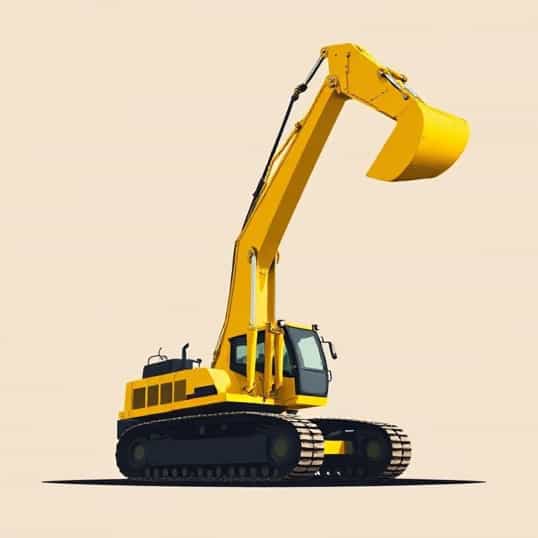
Komatsu 490 Counterweight Removal
The Komatsu PC490 is a powerful hydraulic excavator widely used in heavy construction, mining, and large-scale earthmoving projects. One of the most critical parts of this machine is its counterweight, a massive block of steel installed at the rear of the excavator to balance the weight of the boom and attachments during operation. Because of its size and weight, counterweight removal on a Komatsu 490 requires careful planning, the right equipment, and strict adherence to safety procedures. Understanding the steps and precautions involved in Komatsu 490 counterweight removal is essential for operators, mechanics, and technicians working with these machines.
Understanding the Role of the Counterweight
The counterweight in a Komatsu 490 excavator serves an essential purpose in maintaining stability. Excavators handle enormous loads, and without proper balance, the risk of tipping over or overloading components increases significantly. The counterweight ensures that the machine operates smoothly even when lifting heavy materials at extended reaches. Due to its importance, removal or installation of the counterweight is typically carried out during transportation, major maintenance, or component replacement.
When Counterweight Removal is Necessary
Removing the counterweight from a Komatsu PC490 is not a routine task but becomes necessary in specific situations such as
- TransportationThe excavator may exceed transport weight or dimension limits if the counterweight is attached.
- Major repairsAccess to certain structural or hydraulic components may require the counterweight to be removed.
- ReplacementIf the counterweight is damaged or requires upgrading, removal is the first step.
- Field adjustmentsIn some cases, counterweights may need to be swapped depending on jobsite conditions and attachment configurations.
Tools and Equipment Required
Due to the enormous weight of the Komatsu 490 counterweight, specialized tools and equipment are necessary for safe removal. Some of the essential items include
- Heavy-duty lifting crane or gantry system with appropriate capacity.
- Lifting shackles and certified slings designed for high loads.
- Hydraulic tools for loosening and tightening bolts.
- Safety gear such as helmets, gloves, and steel-toe boots.
- Support stands or blocks to secure the counterweight during handling.
Preparation Before Counterweight Removal
Proper preparation is critical for safe and efficient counterweight removal. The following steps are generally taken before beginning the process
- Park the excavator on level ground to ensure stability.
- Shut down the engine and disconnect power to avoid accidental movements.
- Inspect the lifting equipment to confirm it can handle the counterweight load.
- Clear the surrounding area of unnecessary personnel and obstacles.
- Review the manufacturer’s service manual for exact procedures and specifications.
Step-by-Step Process of Komatsu 490 Counterweight Removal
While procedures may vary slightly depending on machine configuration, the general process includes
1. Securing the Excavator
Before beginning, the machine must be secured. The boom should be lowered, and hydraulic locks engaged to prevent movement. The excavator should also be immobilized with wheel chocks or track locks if necessary.
2. Accessing the Counterweight Bolts
The counterweight on a Komatsu PC490 is typically fastened with large securing bolts. Access panels or covers may need to be removed to reach these bolts. Hydraulic or pneumatic tools are often used due to the torque required for loosening.
3. Attaching Lifting Equipment
A heavy-duty crane or gantry is positioned behind the excavator. Lifting shackles and slings are carefully connected to designated lifting points on the counterweight. These points are engineered for safe lifting and should never be substituted with makeshift connections.
4. Loosening and Removing Bolts
Once the lifting system is in place and under slight tension, the securing bolts are loosened and removed. Applying tension before removal prevents the counterweight from shifting unexpectedly.
5. Lifting the Counterweight
With bolts removed, the counterweight is slowly lifted away from the excavator. This step requires precise coordination between the crane operator and ground personnel to avoid sudden movements or contact with the machine.
6. Securing the Counterweight
After removal, the counterweight is carefully placed onto sturdy supports or blocks. It must never be left suspended in the air or set on uneven ground due to the risk of tipping or damage.
Safety Precautions During Removal
Counterweight removal involves significant risks due to the sheer weight of the component, often exceeding several tons. To ensure safety, teams should follow strict guidelines
- Never stand under or near the suspended counterweight.
- Always use lifting points specified by the manufacturer.
- Maintain clear communication between crane operators and ground workers.
- Wear proper personal protective equipment at all times.
- Double-check lifting gear for certification and load limits before use.
Reinstallation of the Counterweight
Reattaching the counterweight follows a process similar to removal but in reverse. The counterweight is lifted into place, aligned with the mounting brackets, and secured with bolts tightened to the manufacturer’s torque specifications. After installation, all connections are inspected to ensure stability before the machine is returned to service.
Common Challenges and Solutions
Several challenges may arise during Komatsu 490 counterweight removal
- Stuck boltsRust or debris may make bolts difficult to remove. Applying penetrating oil and using hydraulic torque tools often solves this issue.
- Alignment problemsIf the counterweight does not align properly during installation, repositioning with controlled crane movements may be necessary.
- Limited workspaceOn crowded job sites, extra planning is required to ensure cranes have enough clearance for safe lifting.
Importance of Following Manufacturer Guidelines
While the general steps of counterweight removal are similar across heavy excavators, each model has unique specifications. Komatsu provides detailed service manuals that include torque settings, lifting point locations, and safety warnings. Ignoring these instructions can lead to equipment damage, safety hazards, or warranty voidance. Following Komatsu’s official guidelines ensures the process is performed correctly and safely.
Removing the counterweight on a Komatsu 490 excavator is a complex but necessary procedure in certain maintenance and transportation scenarios. By understanding the function of the counterweight, preparing properly, using the right tools, and adhering to safety standards, the task can be carried out effectively. Whether for repair, transport, or replacement, proper handling of the counterweight ensures the excavator continues to operate at peak performance while keeping operators and maintenance crews safe.