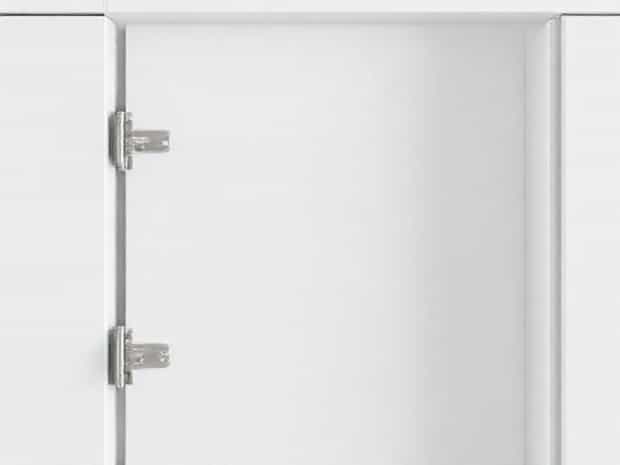
Kitchen Cabinet Hinge Repair Plate
A kitchen cabinet hinge repair plate is a small but essential hardware component that plays a significant role in maintaining the functionality and longevity of cabinet doors. Over time, the constant opening and closing of cabinet doors can cause hinges to loosen, screws to strip, or the mounting surface to wear out. When this happens, the doors may sag, misalign, or fail to close properly, affecting both the appearance and usability of your kitchen. A hinge repair plate offers a simple and effective solution by providing a secure mounting surface for the hinge, allowing homeowners to restore cabinet doors without major replacements or costly repairs. Understanding how hinge repair plates work, how to install them, and the benefits they provide can help keep your kitchen cabinets functioning smoothly.
What is a Kitchen Cabinet Hinge Repair Plate?
A kitchen cabinet hinge repair plate is a small metal or plastic plate designed to reinforce the area where a hinge attaches to the cabinet frame or door. These plates are particularly useful when the original screw holes have become stripped or the wood has weakened over time. By providing a new, secure surface for screws, a hinge repair plate allows you to reattach the hinge firmly, restoring the door’s alignment and preventing future sagging. They are compatible with most standard kitchen cabinet hinges and can be used on both upper and lower cabinets.
Materials and Design
Hinge repair plates are typically made from durable metals such as steel or zinc alloy, although some are crafted from high-strength plastic. The plates feature pre-drilled holes that align with standard hinge screw patterns, ensuring easy installation. Their compact design allows them to be mounted discreetly behind the hinge, making them nearly invisible once the cabinet door is closed. Some models also include adjustable features to fine-tune door alignment, adding to their versatility.
- Material Steel, zinc alloy, or reinforced plastic for durability.
- Pre-drilled holes Align with standard hinge screws.
- Compact design Fits behind hinges without being visible.
- Adjustable options Allow precise door alignment.
Common Causes of Hinge Problems
Kitchen cabinet hinges can experience a variety of issues due to everyday use, moisture, or material wear. Understanding these common problems helps homeowners identify when a hinge repair plate is necessary. Frequent causes of hinge failure include stripped screw holes, sagging doors, misalignment, and damaged cabinet surfaces.
Stripped Screw Holes
Over time, repeated opening and closing of cabinet doors can cause screws to loosen or strip the wood around the hinge. When screws no longer grip securely, the hinge cannot support the door properly. This is one of the most frequent reasons for installing a hinge repair plate, as it provides a new, stable surface for the screws.
Sagging or Misaligned Doors
Loose or damaged hinges can cause cabinet doors to sag or become misaligned. This not only affects the appearance of the kitchen but can also interfere with the door’s function, making it difficult to close or causing it to rub against adjacent doors. Hinge repair plates help restore proper alignment and maintain smooth operation.
Wood or Surface Damage
Cabinet frames or doors can weaken due to moisture exposure, wear, or poor construction materials. When the wood around hinge screw holes deteriorates, a hinge repair plate provides reinforcement, distributing the weight of the door and preventing further damage.
- Stripped screw holes Screws no longer grip securely.
- Sagging doors Hinges fail to support the door properly.
- Misaligned doors Doors do not close evenly or rub against each other.
- Wood damage Weakened surfaces require reinforcement.
Installing a Kitchen Cabinet Hinge Repair Plate
Installing a hinge repair plate is a straightforward process that can typically be completed with basic tools. Proper installation ensures the cabinet door operates smoothly and extends the life of your cabinetry. The process involves removing the hinge, attaching the repair plate, and reattaching the hinge securely.
Step-by-Step Installation
- Remove the cabinet door Carefully unscrew the hinge from the cabinet frame.
- Assess the damage Check for stripped holes, weakened wood, or misalignment.
- Position the repair plate Align the plate with the hinge screw holes and ensure it is flush with the cabinet surface.
- Secure the plate Use screws provided with the plate to attach it firmly to the cabinet frame or door.
- Reattach the hinge Screw the hinge onto the repair plate, ensuring proper alignment with the cabinet door.
- Test the door Open and close the door to ensure smooth operation and correct alignment.
Tips for a Successful Repair
- Use screws that match the length and diameter recommended for the repair plate.
- If the cabinet wood is severely damaged, consider filling holes with wood filler before attaching the plate.
- Double-check door alignment before fully tightening screws.
- For heavier cabinet doors, choose metal plates for added support and durability.
Benefits of Using a Hinge Repair Plate
Hinge repair plates offer several advantages that make them a practical solution for kitchen cabinet maintenance. They are cost-effective, easy to install, and provide long-lasting support for cabinet doors. Using a repair plate can prevent more extensive damage that might require replacing the entire cabinet or door.
Cost-Effectiveness
Replacing a hinge repair plate is significantly cheaper than replacing a damaged cabinet or door. It allows homeowners to restore functionality with minimal expense and effort. Repair plates are widely available at hardware stores and online, making them an accessible solution for most households.
Ease of Installation
Hinge repair plates do not require professional expertise to install. With basic tools such as a screwdriver and drill, most homeowners can complete the repair in under an hour. This DIY-friendly approach reduces downtime and keeps your kitchen functional during the repair process.
Durability and Support
By reinforcing weakened surfaces, hinge repair plates enhance the durability of cabinet doors. They distribute the weight of the door evenly, preventing future sagging or misalignment. This reinforcement is particularly beneficial for frequently used kitchen cabinets or heavy doors.
- Cost-effective Avoids expensive cabinet replacements.
- Easy installation DIY-friendly with basic tools.
- Durable support Strengthens weakened surfaces and prevents future issues.
- Versatile Suitable for most standard kitchen cabinet hinges.
Preventive Measures to Extend Hinge Life
While hinge repair plates are effective for fixing existing problems, preventive maintenance can reduce the need for repairs in the future. Regular inspection and care of cabinet hinges help maintain smooth operation and prolong the life of both the hinges and the cabinet doors.
- Tighten screws periodically to prevent loosening.
- Clean hinges to remove dust and debris that can interfere with movement.
- Lubricate metal hinges occasionally to reduce friction and wear.
- Avoid overloading cabinet doors with heavy items.
- Inspect for early signs of wood damage or stripped holes and address them promptly.
A kitchen cabinet hinge repair plate is an essential tool for maintaining the functionality, alignment, and appearance of cabinet doors. Whether dealing with stripped screw holes, sagging doors, or weakened wood surfaces, a hinge repair plate provides a simple and cost-effective solution. With proper installation, regular maintenance, and attention to detail, homeowners can extend the life of their kitchen cabinets and ensure smooth, reliable operation for years to come. By understanding the benefits and applications of hinge repair plates, both DIY enthusiasts and professionals can address common hinge issues efficiently and effectively, keeping kitchens organized and fully functional.