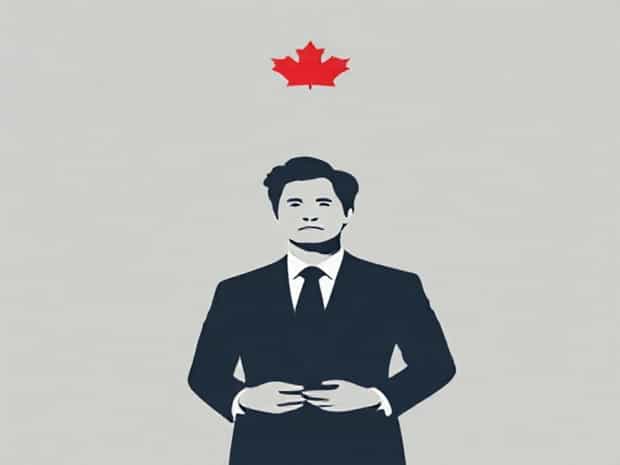
Justin Trudeau Resigned As Prime Minister
On January 6, 2025, Canadian Prime Minister Justin Trudeau announced his resignation as leader of the Liberal Party of Canada, effectively ending his nearly decade-long tenure as the country’s head of government. Trudeau’s decision came amid mounting internal party dissent, declining public support, and a series of political challenges that culminated in a significant leadership crisis. This topic explores the events leading up to Trudeau’s resignation, the immediate aftermath, and the subsequent transition of power to his successor, Mark Carney.
Background to the Resignation
Justin Trudeau assumed office as Canada’s 23rd Prime Minister in November 2015, leading the Liberal Party to victory in three consecutive federal elections. However, by late 2024, his popularity had waned significantly. A series of by-election losses, including a notable defeat in Montreal, signaled a shift in voter sentiment. The situation was further exacerbated by the resignation of Deputy Prime Minister and Finance Minister Chrystia Freeland in December 2024. Her departure, following a strained relationship with Trudeau over policy disagreements, was seen as a clear rebuke of his leadership and sent shockwaves through the political landscape.
Internal Party Dissent
Freeland’s resignation marked a turning point, with calls for Trudeau’s resignation intensifying from within his own party. Liberal MPs, concerned about the party’s prospects in the upcoming 2025 federal election, urged Trudeau to step down to allow for a leadership change. The New Democratic Party (NDP), which had previously supported the Liberal government through a confidence and supply agreement, announced that it would vote to bring down the government when Parliament reconvened. This growing internal and external pressure left Trudeau with limited options.
Trudeau’s Announcement
In a public address from his residence at Rideau Cottage in Ottawa, Trudeau announced his decision to resign as leader of the Liberal Party. He cited internal divisions within the party and the need for a fresh leadership to effectively campaign in the upcoming federal election. Trudeau expressed pride in his government’s achievements, including its support for Ukraine during the ongoing conflict and its handling of the COVID-19 pandemic. He stated that he would remain as Prime Minister until a new leader was chosen through a nationwide, competitive process, which was expected to conclude by March 2025.
Political Reactions
The announcement of Trudeau’s resignation elicited a range of reactions from political leaders across Canada. Opposition leaders, including Pierre Poilievre of the Conservative Party and Jagmeet Singh of the NDP, welcomed the decision, viewing it as an opportunity for a change in direction. Within the Liberal Party, reactions were mixed. Some members expressed support for Trudeau’s decision, while others were critical of his handling of the situation. The resignation set the stage for a leadership race that would determine the future direction of the party and the country.
Leadership Transition and Mark Carney’s Rise
Following Trudeau’s resignation, the Liberal Party initiated a leadership election. Former Bank of Canada and Bank of England Governor Mark Carney emerged as a leading candidate. On March 9, 2025, Carney won the leadership race with 85.9% of the vote, defeating former Finance Minister Chrystia Freeland, who garnered 8% of the vote. Carney’s victory was seen as a unifying choice for the party, offering a fresh perspective and a break from the controversies that had plagued the previous administration.
Carney was sworn in as Canada’s 24th Prime Minister on March 14, 2025. In his inaugural address, he emphasized the need for national unity, economic recovery, and a renewed commitment to Canada’s international obligations. His leadership marked a new chapter in Canadian politics, with many hopeful that his experience and steady hand would restore public confidence in the federal government.
Implications for Canadian Politics
Trudeau’s resignation and the subsequent leadership change had significant implications for Canadian politics. The Liberal Party, once dominant, faced the challenge of rebuilding its image and regaining the trust of voters. The Conservative Party, under Poilievre’s leadership, saw an increase in support, positioning itself as a viable alternative in the upcoming federal election. The NDP, while critical of Trudeau, also faced the task of defining its role in a potentially more polarized political environment.
Public Opinion and Future Elections
Public opinion polls conducted after Trudeau’s resignation indicated a shift in voter preferences. The Conservative Party experienced a surge in support, while the Liberal Party’s standing declined. Carney’s leadership was viewed favorably by some, but skepticism remained regarding his ability to navigate the challenges ahead. The 2025 federal election, scheduled for April 28, 2025, was expected to be highly competitive, with the outcome uncertain and the potential for significant political realignment.
Justin Trudeau’s resignation as Prime Minister marked a pivotal moment in Canadian political history. His departure reflected deep-seated issues within his party and a broader dissatisfaction among the electorate. The transition to Mark Carney’s leadership represented an opportunity for renewal and change. As Canada approached the 2025 federal election, the political landscape was poised for transformation, with voters eager to chart a new course for the nation’s future.