Inland Sufferance Warehouse Fee
In global trade and logistics, understanding various fees associated with the storage and movement of goods is essential for businesses and importers. One such fee that often arises in customs and shipping operations is the inland sufferance warehouse fee. This fee is linked to the storage of imported goods in a government-approved warehouse, typically while they await customs clearance or further movement. It is an important aspect of import management, as it affects overall cost, inventory planning, and the timely delivery of goods. Comprehending the inland sufferance warehouse fee is crucial for anyone involved in import-export activities.
Definition of Inland Sufferance Warehouse Fee
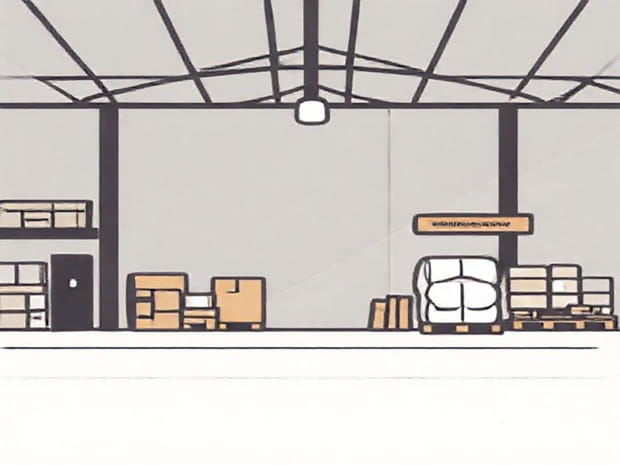
The inland sufferance warehouse fee is a charge levied for the storage of imported goods in a sufferance warehouse located inland, away from ports or border entry points. Sufferance warehouses are licensed facilities approved by customs authorities to hold goods temporarily before they are either released for domestic consumption or re-exported. These warehouses operate under strict regulations to ensure that goods remain secure, accounted for, and compliant with customs procedures.
Purpose of the Fee
The primary purpose of the inland sufferance warehouse fee is to cover the operational costs associated with storing goods under customs supervision. These costs include
- Security and surveillance of the warehouse premises.
- Handling and moving goods within the warehouse.
- Administrative management and record-keeping required by customs authorities.
- Insurance and risk mitigation for stored goods.
Charging this fee ensures that the warehouse can provide proper storage conditions while maintaining compliance with legal and regulatory requirements.
How Inland Sufferance Warehouses Work
Sufferance warehouses are an integral part of customs logistics. When imported goods arrive at a port or entry point but are not immediately cleared through customs, they may be transported to an inland sufferance warehouse. These facilities allow importers additional time to prepare necessary documentation, pay duties, or arrange distribution without risking penalties for delays at the port.
Key Features of Sufferance Warehouses
- Licensed and ApprovedOnly warehouses authorized by customs can operate as sufferance warehouses.
- Temporary StorageGoods are held for a limited period, usually until customs duties are paid or other clearance requirements are fulfilled.
- Secure EnvironmentWarehouses are equipped with security measures to prevent theft, damage, or unauthorized access.
- Regulated OperationsStorage, handling, and documentation follow strict customs guidelines to maintain accountability and traceability.
By understanding these features, importers can better plan their logistics and anticipate costs associated with inland sufferance warehouse fees.
Calculation of the Fee
The inland sufferance warehouse fee is typically calculated based on several factors, including the type of goods, volume or weight, duration of storage, and any special handling requirements. For example, goods that require refrigeration or extra security may incur higher fees. Some warehouses charge a flat daily or weekly rate, while others may apply tiered pricing based on the length of storage.
Factors Affecting Fees
- Duration of StorageLonger storage periods generally result in higher total fees.
- Type of GoodsFragile, hazardous, or perishable items may require specialized storage, impacting the cost.
- Volume or WeightFees often depend on the space occupied or the weight of goods in the warehouse.
- Warehouse LocationInland locations may have lower fees compared to port-side warehouses, though transportation costs must also be considered.
Accurate calculation of inland sufferance warehouse fees is essential for budgeting and avoiding unexpected expenses in the import process.
Benefits of Using Inland Sufferance Warehouses
Despite the added cost, using inland sufferance warehouses offers several advantages for importers and businesses
- FlexibilityImporters gain additional time to prepare customs documentation and arrange payment of duties without facing penalties for delayed clearance.
- Cost ManagementWarehousing inland can sometimes reduce overall storage costs compared to congested port areas.
- Risk MitigationSecure facilities reduce the risk of theft, damage, or deterioration of goods during the clearance process.
- Streamlined LogisticsWarehouses may provide services such as sorting, labeling, and consolidation, facilitating smoother distribution to final destinations.
By leveraging these benefits, businesses can optimize their supply chain and ensure timely delivery while complying with customs regulations.
Compliance and Legal Considerations
It is important for importers to understand that goods stored in sufferance warehouses remain under customs control. Failure to adhere to regulations, such as exceeding the allowed storage period or improper documentation, can result in penalties, fines, or seizure of goods. Working closely with customs brokers and warehouse operators helps ensure compliance and minimizes legal risks.
Practical Tips for Managing Inland Sufferance Warehouse Fees
Businesses can adopt several strategies to manage inland sufferance warehouse fees effectively
- Plan customs clearance in advance to reduce storage time.
- Negotiate fees with warehouse operators, especially for bulk or long-term storage.
- Keep detailed records of all goods, including volume, weight, and handling requirements, to avoid discrepancies in billing.
- Coordinate with logistics providers to optimize transportation to and from the warehouse, balancing cost and efficiency.
- Regularly review warehouse contracts and fee structures to identify opportunities for cost savings.
Implementing these practices ensures that the inland sufferance warehouse fee remains a manageable component of the overall import process.
The inland sufferance warehouse fee is a critical consideration in international trade, affecting the storage, handling, and timely clearance of imported goods. Understanding its purpose, calculation, and associated benefits allows importers to make informed decisions, reduce unexpected costs, and maintain compliance with customs regulations. By carefully selecting warehouses, planning logistics, and monitoring storage durations, businesses can optimize their supply chain operations while minimizing the financial impact of this fee. Ultimately, mastering the nuances of inland sufferance warehouse fees is essential for efficient and cost-effective import management in today’s global marketplace.
“