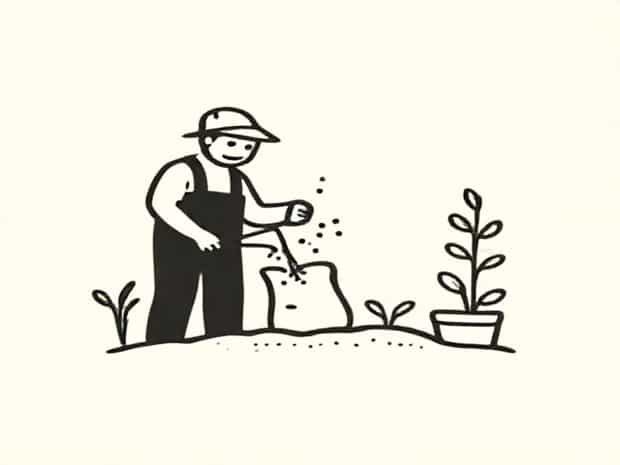
Jobe’S Organics Granular Garden Fertilizer
Jobe’s Organics Granular Garden Fertilizer has become a popular choice for gardeners looking to boost the growth and health of their plants while maintaining an eco-friendly approach. This fertilizer is formulated from natural ingredients that provide essential nutrients to flowers, vegetables, shrubs, and trees. Using an organic granular fertilizer like Jobe’s helps improve soil structure, promotes beneficial microbial activity, and reduces the risk of chemical runoff, making it a sustainable option for home gardens and larger landscaping projects alike. Understanding how to use it effectively can make a significant difference in the vitality and yield of your plants.
Understanding Jobe’s Organics Granular Garden Fertilizer
Jobe’s Organics Granular Garden Fertilizer is designed to provide a balanced combination of nutrients that plants need for optimal growth. The primary nutrients included are nitrogen (N), phosphorus (P), and potassium (K), which are essential for foliage development, root growth, and overall plant strength. In addition to these macronutrients, the fertilizer contains micronutrients and beneficial microbes that enhance soil health and nutrient availability.
Benefits of Using Organic Fertilizers
Organic fertilizers like Jobe’s provide several advantages over synthetic alternatives. They release nutrients slowly, ensuring a consistent supply over time and reducing the risk of burning plant roots. Organic matter also improves soil texture and water retention, which is particularly valuable in gardens with sandy or clay-heavy soils. Additionally, the presence of beneficial microbes helps break down organic material in the soil, further enriching it and supporting long-term plant health.
How to Apply Jobe’s Organics Granular Garden Fertilizer
Proper application is crucial to maximize the benefits of Jobe’s Organics Granular Garden Fertilizer. It can be used in a variety of garden settings, including flower beds, vegetable gardens, shrubs, and container plants. Following the recommended guidelines ensures that plants receive the right amount of nutrients without over-fertilizing, which could harm the plants or the environment.
Step-by-Step Application Guide
- Determine the area you want to fertilize and calculate the recommended amount of granular fertilizer based on the instructions on the product label.
- Distribute the granules evenly across the soil surface, avoiding direct contact with plant stems or leaves to prevent burning.
- Lightly work the granules into the top layer of soil using a hand rake or trowel. This helps nutrients reach the root zone more effectively.
- Water the area thoroughly after application to activate the fertilizer and begin nutrient absorption.
- Repeat the application according to the product’s suggested schedule, typically every four to six weeks during the growing season.
Choosing the Right Fertilizer Ratio
Jobe’s Organics Granular Garden Fertilizer comes in various formulations with different N-P-K ratios, tailored to specific plant types and growth stages. For leafy vegetables and foliage-heavy plants, a higher nitrogen content supports lush green growth. Flowering plants and fruiting vegetables benefit from higher phosphorus levels, which promote strong blooms and fruit development. Potassium is essential for overall plant health, disease resistance, and root strength. Selecting the appropriate formulation ensures your garden thrives at every stage.
Application Tips for Different Plants
- Vegetable Gardens Use a balanced fertilizer or one slightly higher in nitrogen for leafy crops. Apply evenly around the base of each plant and water well.
- Flower Beds For annuals and perennials, a phosphorus-rich formula supports flowering. Spread the granules around the root zone without covering the stems.
- Shrubs and Trees A general-purpose organic granular fertilizer is suitable. Apply around the drip line and lightly work into the soil to encourage deep root growth.
- Container Plants Use smaller amounts and monitor for over-fertilization. Regular watering is important to maintain nutrient uptake in potted plants.
Environmental and Soil Benefits
One of the key advantages of using Jobe’s Organics Granular Garden Fertilizer is its positive impact on the environment and soil health. Organic fertilizers reduce chemical runoff into waterways, protecting local ecosystems. The added organic matter enhances soil structure, increases its capacity to hold water, and encourages the proliferation of beneficial soil organisms. Healthy soil leads to healthier plants, higher yields, and long-term sustainability in your garden.
Supporting Beneficial Microorganisms
The microbial life in Jobe’s Organics fertilizer helps decompose organic material, converting it into nutrients that plants can readily absorb. These microorganisms also improve soil aeration and nutrient cycling, reducing the need for chemical fertilizers over time. By fostering a thriving soil ecosystem, gardeners can enjoy robust, resilient plants with fewer pest and disease problems.
Common Mistakes to Avoid
While Jobe’s Organics Granular Garden Fertilizer is easy to use, some common mistakes can reduce its effectiveness. Over-application can lead to nutrient imbalance and leaching into nearby water sources. Applying fertilizer directly on plant leaves or stems may cause burning. Skipping watering after application prevents nutrients from reaching the roots. By following the correct dosage, spreading methods, and watering schedule, gardeners can maximize the benefits while minimizing risks.
Storage and Handling Tips
To maintain the quality of the fertilizer, store it in a cool, dry place away from direct sunlight and moisture. Keep the container tightly sealed to prevent clumping and degradation of nutrients. Handling the granules with dry hands or tools prevents contamination and ensures the product remains effective throughout its shelf life.
Maximizing Results in Your Garden
For the best results, combine Jobe’s Organics Granular Garden Fertilizer with other good gardening practices. Rotate crops in vegetable gardens, mulch flower beds, and prune shrubs regularly to enhance air circulation and sunlight penetration. Regularly check plants for signs of nutrient deficiencies, pests, or disease. By integrating organic fertilization with attentive care, gardeners can achieve vibrant blooms, abundant harvests, and healthy, sustainable landscapes.
Long-Term Benefits
Using Jobe’s Organics Granular Garden Fertilizer not only promotes immediate plant growth but also contributes to long-term soil health. Continuous use encourages the buildup of organic matter and microbial activity, leading to stronger plants and more resilient garden ecosystems. Over time, gardeners may notice less reliance on chemical inputs, improved water retention in the soil, and healthier overall plant growth.
Jobe’s Organics Granular Garden Fertilizer is a versatile, eco-friendly option for gardeners seeking to nourish their plants naturally. With its balanced nutrient profile, support for beneficial microbes, and sustainable organic components, it helps flowers, vegetables, shrubs, and trees thrive. Proper application, including selecting the right N-P-K ratio, spreading evenly, and watering adequately, ensures maximum effectiveness. By avoiding common mistakes and incorporating consistent gardening practices, this fertilizer can transform any garden into a vibrant, productive, and environmentally friendly space. With patience and care, Jobe’s Organics helps gardeners cultivate healthy, flourishing plants that reward effort with beauty and abundance throughout the growing season.