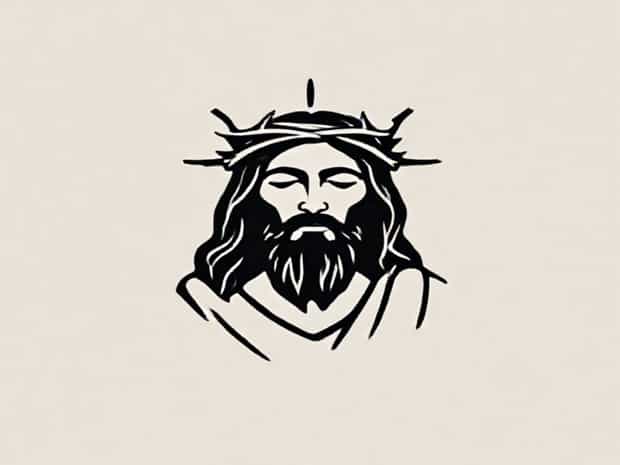
Jesus Crowned With Thorns Images
The image of Jesus crowned with thorns is one of the most powerful and enduring symbols in Christian art and devotion. It captures a moment of profound suffering, humility, and sacrifice, reflecting the events leading up to the crucifixion. Artists throughout history have portrayed this scene in countless ways, using paintings, sculptures, and modern digital illustrations to convey both the physical pain and spiritual significance of Jesus’ passion. The imagery serves as a reminder of His sacrifice for humanity, the weight of sin, and the depth of God’s love. Viewing or studying images of Jesus crowned with thorns can evoke reflection, reverence, and a deeper understanding of the Gospel narrative.
The Historical and Biblical Background
The event of Jesus being crowned with thorns is documented in the Gospels of Matthew, Mark, and John. After His arrest, Jesus was mocked and beaten by Roman soldiers. They placed a crown of thorns on His head to ridicule Him as King of the Jews, causing immense physical pain. This act was both a humiliation and a form of torture, emphasizing the suffering He endured for humanity’s redemption. The crown of thorns represents not only mockery but also the weight of human sin that Jesus willingly bore. Understanding this historical and biblical context is essential to fully appreciate the significance captured in the images of this moment.
Symbolism in Images of Jesus Crowned with Thorns
Images depicting Jesus with the crown of thorns often carry deep symbolic meaning
- Suffering and SacrificeThe crown itself symbolizes the physical suffering and humiliation Jesus endured on behalf of humanity.
- Mockery and HumilityRoman soldiers mocked Him as a king, highlighting His humility and the contrast between earthly power and spiritual authority.
- RedemptionThe thorns represent sin and its consequences, which Jesus accepted to bring salvation to humanity.
- Faith and ReflectionThese images invite viewers to meditate on their faith and the significance of Jesus’ sacrifice.
Artistic Interpretations
Throughout history, artists have depicted Jesus crowned with thorns in various styles and media, each emphasizing different aspects of the story. Renaissance artists like Titian and Caravaggio portrayed the scene with intense realism, capturing the agony and emotion of the moment. In these works, light and shadow often emphasize the depth of suffering, while facial expressions convey a mixture of pain, compassion, and divine serenity. Modern artists and illustrators continue to explore this scene, sometimes focusing on abstract or symbolic interpretations to highlight themes of sacrifice, love, and redemption.
Common Elements in Artistic Depictions
When viewing images of Jesus crowned with thorns, several common elements often appear
- The Crown of ThornsTypically a sharp, circular arrangement placed on His head, symbolizing both physical pain and mockery.
- Blood and WoundsMany depictions show drops of blood, emphasizing the suffering endured.
- Facial ExpressionArtists often portray a combination of agony, compassion, and acceptance of God’s will.
- Surrounding FiguresSoldiers, onlookers, or angels may be included to provide context and heighten the narrative impact.
- Use of LightLight is often used to highlight Jesus’ face or head, symbolizing divinity amidst suffering.
Spiritual and Devotional Significance
Images of Jesus crowned with thorns hold deep spiritual and devotional meaning for believers. They serve as a visual reminder of His love, sacrifice, and willingness to endure suffering for the sake of humanity. Meditating on these images can help Christians reflect on their own lives, consider the weight of sin, and cultivate a spirit of humility and gratitude. In churches, these images are often displayed during Lent and Holy Week to emphasize the journey to the crucifixion and the importance of Jesus’ sacrifice.
Use in Worship and Personal Reflection
These images are not only artistic expressions but also tools for worship and personal devotion. Many believers use paintings, sculptures, or digital images to focus their prayer, meditate on the passion of Christ, or teach about His sacrifice. They can be found in altars, religious books, devotional spaces, and even online resources, providing access for people around the world to connect with the spiritual significance of Jesus’ suffering. Engaging with these images allows individuals to experience a visual connection to the biblical narrative, deepening their faith and understanding.
Modern Representations and Accessibility
In contemporary times, images of Jesus crowned with thorns have been adapted into digital media, illustrations, and multimedia presentations. These modern representations make the story accessible to a broader audience, including those who may not encounter traditional religious art regularly. Social media, websites, and virtual church services often feature such images to convey the message of Christ’s passion visually. Regardless of the medium, the core message of sacrifice, mercy, and divine love remains central.
Impact on Faith and Culture
The depiction of Jesus crowned with thorns has influenced both faith practices and cultural expressions. It has inspired literature, music, films, and educational materials that explore the themes of suffering, redemption, and spiritual reflection. By portraying the humanity and divinity of Jesus simultaneously, these images encourage contemplation of the profound impact of His sacrifice. They remind viewers of the enduring relevance of the Gospel and the transformative power of compassion, forgiveness, and love.
Images of Jesus crowned with thorns remain one of the most powerful and evocative depictions in Christian art. They capture a moment of immense suffering, humility, and divine love, inviting reflection on the meaning of sacrifice and redemption. From historical paintings to modern digital art, these representations continue to inspire devotion, meditation, and spiritual growth. By contemplating these images, believers can gain a deeper appreciation for Jesus’ passion, understand the weight of human sin, and embrace the transformative power of grace and mercy. The visual portrayal of Christ in this moment serves as a timeless reminder of faith, resilience, and the enduring message of God’s love for humanity.