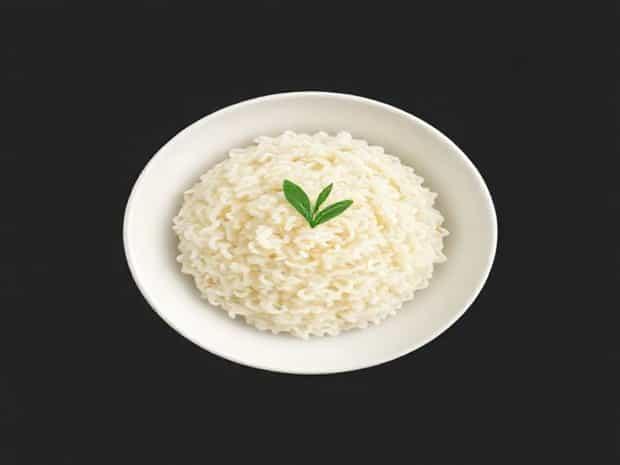
How To Cook Risotto Rice
Cooking risotto rice is an art that balances patience, technique, and flavor. Unlike regular rice, risotto requires constant attention and gradual addition of liquid to achieve its signature creamy texture. Whether you are preparing a classic Italian risotto or experimenting with different ingredients, understanding the proper method, selecting the right rice, and managing heat and stirring are crucial. A well-cooked risotto should be rich, creamy, and slightly al dente, with each grain distinct yet enveloped in a flavorful sauce. Mastering risotto rice opens the door to a variety of delicious meals that can be served as main courses or side dishes.
Choosing the Right Rice for Risotto
The type of rice you select is essential for achieving the perfect risotto. Arborio, Carnaroli, and Vialone Nano are the most common varieties used for risotto because of their high starch content. This starch is what creates the creamy texture that makes risotto unique. Arborio rice is widely available and produces a slightly firm texture, while Carnaroli is favored by many chefs for its ability to absorb liquid without becoming mushy. Vialone Nano is smaller and ideal for delicate risottos with a smooth, silky consistency.
Preparing the Ingredients
Before starting, gather all necessary ingredients to ensure a smooth cooking process. Basic risotto ingredients include risotto rice, broth (chicken, vegetable, or beef), onions or shallots, butter, olive oil, white wine, and Parmesan cheese. Additional ingredients like mushrooms, seafood, or vegetables can enhance the dish. Chop and measure everything beforehand because risotto requires constant attention once cooking begins. Having your broth warm in a separate pot allows for consistent cooking without cooling the rice each time you add liquid.
The Basic Cooking Process
Cooking risotto involves several key steps sautéing, toasting, deglazing, and gradually adding liquid. Start by heating olive oil and butter in a wide, heavy-bottomed pan over medium heat. Add finely chopped onions or shallots and sauté until translucent but not browned. This forms the aromatic base of the risotto. Then, add the risotto rice and toast it lightly for a few minutes. Toasting helps enhance the flavor and allows the rice to maintain its texture during cooking.
Deglazing with Wine
After toasting, deglaze the pan with a splash of white wine. The wine adds acidity and depth of flavor, while helping release the starch from the rice. Stir continuously until the wine is mostly absorbed. Using a dry white wine is recommended to avoid overpowering sweetness, and this step should be done carefully to prevent the rice from sticking or burning.
Gradual Addition of Broth
The hallmark of risotto is the gradual incorporation of liquid. Add warm broth one ladle at a time, stirring frequently. Allow the rice to absorb the liquid before adding more. This slow process releases the starch in the rice, creating the creamy texture characteristic of risotto. Maintaining medium heat throughout prevents the rice from cooking too quickly or unevenly. Frequent stirring also prevents sticking and helps develop a consistent, velvety texture.
Tips for Perfect Risotto Texture
- Keep the broth warm to avoid cooling the rice with each addition.
- Stir gently but consistently to prevent breaking the grains.
- Monitor the rice closely for doneness, aiming for a slightly al dente texture.
- Add liquid gradually; rushing the process can lead to uneven cooking or a runny consistency.
Enhancing Flavor
Risotto can be customized with a variety of flavors and ingredients. Adding mushrooms, peas, asparagus, seafood, or roasted vegetables creates different versions of risotto. Herbs such as thyme, rosemary, or parsley can add freshness, while spices like saffron create a distinctive color and aroma. Incorporate these ingredients at the appropriate stage of cooking harder vegetables earlier, delicate items like seafood or peas toward the end. This ensures everything is perfectly cooked and maintains the creamy consistency of the risotto.
Finishing the Risotto
Once the rice is cooked to al dente and the liquid is mostly absorbed, finish the risotto by stirring in butter and freshly grated Parmesan cheese. This adds richness, flavor, and a glossy texture. Adjust seasoning with salt and pepper, and consider a squeeze of lemon juice to brighten the flavors. Let the risotto rest for a minute or two before serving to allow the flavors to meld. Serve immediately for the best texture and taste.
Common Mistakes to Avoid
Even experienced cooks can make errors when preparing risotto. Avoid overcooking the rice, which results in a mushy texture, or undercooking it, which leaves a hard center. Do not add all the broth at once, as this prevents the rice from releasing starch properly. Another common mistake is skipping the stirring process, which can cause the rice to stick to the pan or cook unevenly. Finally, over-seasoning at the beginning may make the risotto too salty; seasoning toward the end allows better control.
Serving and Presentation
Risotto is best served hot and fresh, as the creamy texture can change upon cooling. Garnish with additional Parmesan, a drizzle of olive oil, or fresh herbs for visual appeal and extra flavor. Pairing risotto with a simple side salad, roasted vegetables, or a glass of white wine complements the dish. Individual portions can be plated elegantly, making risotto suitable for both casual meals and special occasions.
Variations and Creative Ideas
Risotto is highly versatile, allowing endless variations. For a mushroom risotto, sauté wild mushrooms with garlic and fold them into the cooked rice. Seafood risotto benefits from using fish or shellfish stock and adding shrimp or scallops toward the end. Vegetable risotto can incorporate seasonal produce like peas, zucchini, or roasted butternut squash. Creative risotto recipes can also include saffron, truffle oil, or roasted nuts to enhance flavor and texture.
Meal Prep and Storage Tips
While risotto is best served fresh, leftovers can be stored in the refrigerator for up to two days. To reheat, add a splash of broth or water and gently warm while stirring to restore creaminess. Risotto can also be transformed into arancini, which are fried risotto balls with cheese or meat fillings. Proper storage and creative use of leftovers ensure minimal waste and extend the enjoyment of this versatile dish.
Cooking risotto rice requires patience, attention, and a basic understanding of technique. Selecting the right type of rice, preparing ingredients, gradually adding warm broth, and constant stirring are essential to achieving a creamy, flavorful result. Enhancing risotto with vegetables, seafood, or herbs allows for endless variations, making it a versatile dish for any occasion. Avoiding common mistakes and finishing with butter and cheese ensures a perfect texture and rich flavor. By mastering the art of risotto, you can enjoy a delicious, comforting, and elegant meal that highlights the unique qualities of this classic Italian dish.
Ultimately, the key to perfect risotto rice lies in balancing careful preparation, precise technique, and thoughtful flavor combinations. With practice and attention to detail, cooking risotto becomes an enjoyable process, allowing anyone to create a restaurant-quality dish at home. From basic recipes to creative variations, risotto offers both satisfaction and versatility for cooks of all skill levels.