Is The Resplendent Quetzal Endangered
The resplendent quetzal is one of the most striking and admired birds in the world, celebrated for its vibrant plumage and long, flowing tail feathers. Native to the cloud forests of Central America, particularly in countries like Guatemala, Costa Rica, and Panama, this bird has fascinated birdwatchers, nature enthusiasts, and indigenous cultures for centuries. Known for its brilliant green and red feathers, the resplendent quetzal is not only a symbol of beauty but also of freedom and wilderness. Despite its iconic status, there are growing concerns about its survival due to human activities and habitat loss. Understanding whether the resplendent quetzal is endangered involves looking at its population trends, threats, conservation status, and ongoing protection efforts.
Identification and Habitat of the Resplendent Quetzal
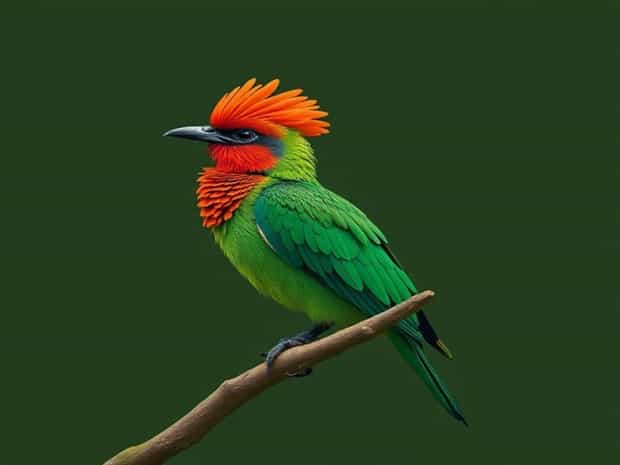
The resplendent quetzal is easily recognizable by its iridescent green body, scarlet breast, and elongated tail feathers that can extend over three feet in males. This bird inhabits the highland cloud forests, preferring areas with abundant fruit trees and dense canopy cover. These forests provide not only food but also safe nesting sites in tree cavities. Quetzals are generally found at altitudes ranging from 1,000 to 3,000 meters above sea level, and they rely heavily on pristine forest environments for survival.
Diet and Behavior
Resplendent quetzals primarily feed on fruits, especially wild avocados and other small forest fruits, but they also consume insects, lizards, and small frogs when available. Their diet plays a critical role in the ecosystem, as they help disperse seeds and maintain forest biodiversity. These birds are known for their shy and solitary nature, often seen alone or in pairs rather than large flocks. During the breeding season, males display their long tail feathers in courtship rituals, which is one of the most breathtaking sights in the avian world.
Current Conservation Status
According to the International Union for Conservation of Nature (IUCN), the resplendent quetzal is currently classified as Near Threatened. While it is not yet considered critically endangered, its population is under pressure from a variety of environmental threats. Scientists estimate that populations are declining in some areas due to habitat destruction and fragmentation. These factors have prompted conservationists to closely monitor the species and implement protective measures in key habitats.
Major Threats to Survival
- DeforestationThe primary threat to the resplendent quetzal is the widespread destruction of cloud forests for agriculture, cattle ranching, and urban development. Loss of habitat reduces nesting sites and food availability.
- Climate ChangeChanges in temperature and rainfall patterns affect the cloud forests, altering fruit availability and potentially shifting the quetzal’s habitat range.
- Illegal Pet TradeAlthough not as common, some individuals capture quetzals for their beautiful feathers or for sale as exotic pets, which further stresses local populations.
- Forest FragmentationBreaking up continuous forest into isolated patches limits the movement of quetzals, reducing genetic diversity and increasing vulnerability to predators.
Efforts in Conservation
Various countries in Central America have recognized the importance of conserving the resplendent quetzal and its habitat. National parks and protected areas, such as Monteverde Cloud Forest Reserve in Costa Rica and Sierra de las Minas Biosphere Reserve in Guatemala, provide safe environments where quetzals can thrive. Environmental organizations work with local communities to promote sustainable agriculture and forest management practices. Educational campaigns also raise awareness about the bird’s ecological role and cultural significance, encouraging people to protect these majestic creatures.
Community Involvement
Local communities play a crucial role in the conservation of the resplendent quetzal. Ecotourism has become a sustainable way to generate income while protecting natural habitats. Guided birdwatching tours not only provide economic incentives for local people to preserve forests but also promote appreciation for the quetzal’s unique beauty. Furthermore, indigenous traditions often regard the quetzal as sacred, which aligns cultural practices with conservation goals, creating a strong framework for long-term protection.
Research and Monitoring
Continuous research and monitoring are essential to understanding the resplendent quetzal’s population trends and ecological needs. Scientists track nesting sites, feeding patterns, and migration habits to ensure that conservation strategies are effective. Technological tools, such as GPS tracking and camera traps, help gather precise data on quetzal movements and population density. This research informs policies and strengthens international collaboration to maintain viable populations across the bird’s range.
Global Significance
The resplendent quetzal is not only a symbol of beauty but also an indicator of forest health. A healthy quetzal population reflects intact, functioning ecosystems. Protecting this bird benefits countless other species that share its habitat, maintaining biodiversity and ecological balance. Moreover, as the national bird of Guatemala, the quetzal holds cultural and historical significance, emphasizing the need to preserve it for future generations.
While the resplendent quetzal is not officially classified as endangered, it faces significant threats that could impact its long-term survival. Habitat loss, climate change, and human interference continue to challenge this magnificent species. Conservation efforts, including protected areas, community involvement, and ongoing research, are vital to ensure that the resplendent quetzal remains a symbol of natural beauty in Central America. By promoting sustainable practices and raising awareness, we can help protect this extraordinary bird and the cloud forests it calls home. Understanding its needs and threats is essential, not just for the quetzal itself, but for the preservation of biodiversity and the ecological health of tropical forests.