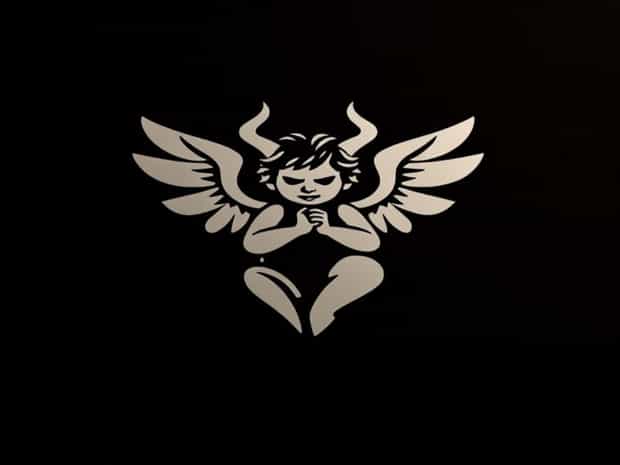
Is Satan A Cherub
The question of whether Satan is a cherub has long fascinated theologians, religious scholars, and curious readers alike. In different traditions, Satan is described in various ways sometimes as an angel, other times as a fallen being with a special rank. The Bible, particularly in the book of Ezekiel, contains passages that some interpret as describing Satan as a cherub before his fall from grace. Understanding this requires exploring scripture, historical interpretation, and the symbolism behind cherubim and Satan’s role in religious narratives.
What Is a Cherub?
To answer whether Satan is a cherub, it is important first to understand what a cherub is. In biblical texts, cherubim are angelic beings associated with the presence of God. They are not the small, winged childlike figures popularized in Renaissance art, but rather powerful, majestic beings who guard holy places. For example, cherubim were placed at the entrance of the Garden of Eden after Adam and Eve were expelled, symbolizing divine protection and authority.
Characteristics of Cherubim
- They are guardians of sacred spaces, such as the Ark of the Covenant and Eden.
- They are often described as having multiple wings and great strength.
- They represent closeness to God’s throne and His holiness.
With this context, calling Satan a cherub suggests that he once held a high and honored position in the heavenly hierarchy.
Biblical References to Satan as a Cherub
One of the most debated passages comes from Ezekiel 28, where the prophet addresses the king of Tyre. Some interpreters believe this text has a double meaning while directed at an earthly ruler, it symbolically describes Satan’s fall. In this passage, the figure is called an anointed cherub who covers, suggesting a being of high angelic rank who lost favor through pride and rebellion.
Ezekiel 28 and Its Interpretations
The passage describes this cherub as being in Eden, adorned with precious stones, and blameless until iniquity was found within. Many Christian traditions interpret this as a metaphor for Satan, who was once glorious but became corrupted by pride. If this interpretation is accepted, it directly supports the idea that Satan was indeed a cherub before his rebellion against God.
The Fall of Satan
The broader narrative of Satan’s fall helps explain the cherub connection. According to Christian teaching, Satan was originally created as a magnificent being with authority and beauty. However, his pride led him to rebel against God, seeking to exalt himself above the Creator. As a result, he was cast out of heaven along with the angels who followed him. The cherub imagery suggests that his fall was from the highest levels of honor and responsibility.
Comparison with Isaiah 14
Isaiah 14 speaks of the morning star or Lucifer, a figure who sought to ascend to heaven and be like the Most High. Although the context also addresses the king of Babylon, many Christians link this passage to the story of Satan’s rebellion. Together with Ezekiel 28, it paints a picture of a once-great celestial being possibly a cherub who fell due to arrogance.
Symbolism of Cherubim and Satan’s Role
Seeing Satan as a cherub carries symbolic weight. Cherubim are beings associated with God’s presence, holiness, and protection. If Satan was indeed a cherub, his rebellion represents the corruption of something once pure and close to divine power. It highlights the theme of free will among spiritual beings and the danger of pride even in the most exalted ranks.
Why This Matters
- It shows that evil did not originate in weakness but in the misuse of great strength and privilege.
- It underscores the seriousness of pride, even among heavenly beings.
- It emphasizes God’s justice in holding even the highest angels accountable.
Alternative Views
Not all scholars agree that Satan is described as a cherub. Some argue that Ezekiel 28 refers only to the king of Tyre and should not be applied to Satan. Others believe that while Satan was a powerful angel, the Bible does not clearly specify his exact rank. In Jewish tradition, the figure of Satan often appears as an accuser or adversary rather than as a fallen cherub. This shows that interpretations vary depending on theological perspective and tradition.
Views in Different Traditions
- ChristianityMany denominations accept the cherub interpretation, linking Satan’s fall to pride and rebellion.
- JudaismSatan is often seen as an adversary or tester, not necessarily a fallen cherub.
- IslamIblis, often compared to Satan, is described as a jinn who disobeyed God, not as an angel or cherub.
This variety shows the complexity of understanding Satan’s origins and role across different faiths.
The Connection Between Satan and Power
Whether or not one accepts that Satan was a cherub, the descriptions emphasize his former greatness and subsequent fall. This narrative underlines that Satan’s power comes not from being inherently divine, but from being a created being who misused his gifts. His story serves as a warning about the misuse of authority and the destructive nature of pride.
Lessons Drawn from the Question
Asking if Satan is a cherub is not just a matter of curiosity. It raises deeper lessons about theology, human behavior, and spiritual struggle. If even a being as close to God as a cherub could fall, it illustrates the importance of humility, obedience, and vigilance in spiritual life. The story serves both as a cautionary tale and as a reminder of the ultimate triumph of divine justice.
So, is Satan a cherub? According to many Christian interpretations of passages like Ezekiel 28, yes Satan was once an anointed cherub, honored and powerful, who fell through pride and rebellion. Other traditions, however, see the story differently, emphasizing Satan as an adversary without focusing on cherubic imagery. Regardless of interpretation, the association highlights Satan’s fall from greatness and serves as a powerful reminder of the dangers of arrogance and the reality of spiritual accountability. The image of Satan as a fallen cherub continues to shape theological discussions, artistic representations, and moral lessons throughout history.