Is Sagittarius A Centaur
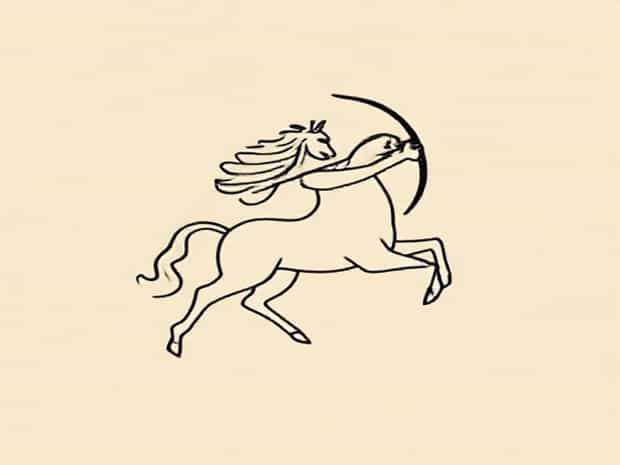
When people look up at the night sky and see the constellation Sagittarius, they often wonder if it truly represents a centaur, the half-human, half-horse creature of ancient mythology. The image of Sagittarius is usually depicted as a centaur archer, drawing back a bow and aiming at the stars. But the history of Sagittarius, its mythological associations, and the way it has been described across cultures are more complex than they first appear. To understand whether Sagittarius is a centaur, we need to explore astronomy, mythology, and astrology together.
The Constellation of Sagittarius
Sagittarius is one of the zodiac constellations, located between Scorpius and Capricornus. It is most visible in the summer months in the Northern Hemisphere. The constellation is associated with the Galactic Center, making it a particularly fascinating region of the night sky. Many star maps portray Sagittarius as a centaur holding a bow, but some interpretations differ in important ways.
Shape and Structure
The constellation itself does not look very much like a centaur to the naked eye. Instead, many stargazers see an asterism called the Teapot, which outlines the brighter stars of Sagittarius. This teapot-shaped figure is easier to spot than a half-human, half-horse archer. Still, mythological imagination has long filled in the missing details, giving Sagittarius the identity of a centaur archer.
Centaur Symbolism in Mythology
In Greek mythology, centaurs were wild, untamed creatures that combined the strength of a horse with the cunning of a human. However, not all centaurs were reckless. The most famous centaur, Chiron, was wise, skilled in healing, and a mentor to many heroes. Sagittarius is sometimes linked to Chiron, though other stories connect it to a different centaur or even a human archer.
The Archer Connection
The name Sagittarius comes from the Latin word for archer. In early depictions, the constellation was shown as a human figure with a bow, not necessarily a centaur. Over time, the centaur imagery became dominant, blending the myth of Chiron and other centaurs with the archer figure in the sky.
Is Sagittarius Really a Centaur?
The answer depends on whether we are speaking in astronomical, mythological, or astrological terms. Astronomically, Sagittarius is simply a constellation of stars without physical ties to mythology. Mythologically, Sagittarius has been portrayed as both a centaur and a human archer, depending on the culture and era. Astrologically, Sagittarius is most often described as a centaur archer symbolizing adventure, wisdom, and exploration.
Different Interpretations
- Greek MythologyOften depicted as a centaur archer, possibly linked to Chiron or another wise centaur.
- Babylonian TraditionAssociated with the god Pabilsag, a figure combining human and animal traits, not exactly a centaur but a similar hybrid.
- Roman TraditionStrengthened the centaur image, emphasizing the archer identity of Sagittarius.
- AstrologySagittarius is consistently linked to the centaur archer, symbolizing duality, energy, and exploration.
Sagittarius in Astrology
In modern astrology, Sagittarius is the ninth sign of the zodiac, ruled by Jupiter. The centaur archer symbol represents the dual nature of Sagittarians human intellect combined with animal instinct. This imagery captures the adventurous, curious, and philosophical nature attributed to people born under this sign.
Traits Linked to the Centaur Symbol
- A strong desire for knowledge and wisdom.
- A sense of adventure and love of travel.
- The dual struggle between instinct and reason.
- Independence and a free-spirited outlook.
- The ability to aim high, like an archer with a bow.
The centaur image enriches the astrological meaning of Sagittarius, making it one of the most dynamic and recognizable zodiac symbols.
The Teapot vs. the Centaur
Interestingly, while astrologers and mythologists continue to refer to Sagittarius as a centaur, amateur astronomers often see the Teapot shape instead. This raises the question does the constellation itself really resemble a centaur, or is that identity simply symbolic? Most would agree the stars do not outline a centaur clearly, but the mythological story assigned to the constellation keeps the centaur identity alive.
Why the Centaur Image Persists
The centaur archer is a powerful symbol that combines the physical power of the horse with the intellectual and spiritual pursuit of the human archer. This dual nature resonates strongly with human imagination, making it a lasting representation of Sagittarius. Even if the stars do not perfectly align into a centaur shape, the myth and symbolism ensure that the association continues across cultures and centuries.
Cultural Interpretations of Sagittarius
Sagittarius as a centaur is rooted in Greek and Roman traditions, but other cultures saw the constellation differently. For example, in Babylonian astronomy, it was not called Sagittarius but Pabilsag, a god with wings, a human torso, and an animal lower body. This figure still blended human and animal traits, reinforcing the hybrid nature that later became associated with centaurs.
Global Perspectives
- BabylonianPabilsag, a composite figure with wings and a scorpion tail.
- GreekA centaur with a bow, often linked to Chiron or another wise figure.
- RomanReinforced the centaur archer image, which spread widely in Western culture.
- Modern AstrologyAlmost universally described as a centaur archer.
Why People Ask if Sagittarius Is a Centaur
The question arises because the constellation itself is not visibly shaped like a centaur. Without prior mythological knowledge, many would not guess the figure behind the star pattern. Additionally, different traditions show Sagittarius differently, sometimes as a hybrid god or a human archer. Still, the enduring popularity of the centaur archer in astrology has cemented this association in modern culture.
So, is Sagittarius a centaur? Mythologically and astrologically, yes, Sagittarius is most often depicted as a centaur archer, blending human intelligence with animal instinct. Astronomically, it is simply a constellation of stars that resembles more of a teapot than a centaur. The centaur identity survives because of the symbolic power it carries and the way it captures the adventurous, dual nature of the sign. Across cultures and centuries, Sagittarius has been represented in different forms, but the centaur archer remains the most enduring and widely recognized image, linking the constellation to mythology and astrology alike.