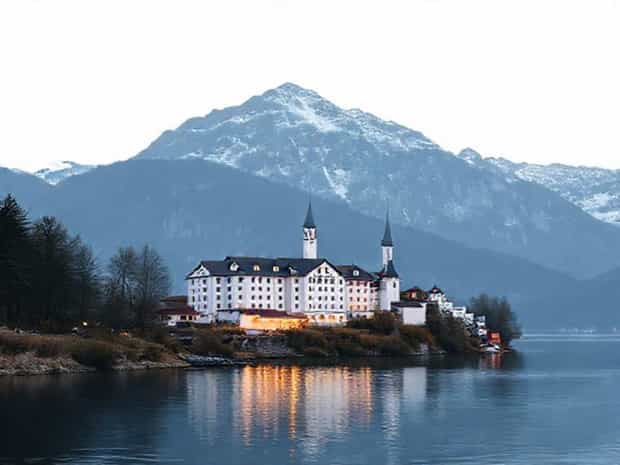
Is Hallstatt In The Alps?
Hallstatt is a small Austrian village that often captures the imagination of travelers with its fairy-tale scenery, crystal-clear lake, and dramatic backdrop of towering mountains. Many people wonder whether Hallstatt is in the Alps, especially because the village seems surrounded by high peaks and alpine landscapes. To answer this question, it is important to look at its geographical location, its cultural background, and how it fits within the larger alpine region of Europe. The charm of Hallstatt lies not only in its natural beauty but also in its deep connection with the mountains around it, making it a fascinating topic for those curious about the Alpine world.
Geographical Location of Hallstatt
Hallstatt is located in Upper Austria, within the Salzkammergut region. This picturesque area is famous for its lakes and mountains, making it one of Austria’s most visited destinations. Hallstatt itself sits on the western shore of Lake Hallstätter See, surrounded by the Dachstein mountain range. The Dachstein range is part of the Northern Limestone Alps, which places Hallstatt directly within the broader Alpine system. So, to answer the main question clearly yes, Hallstatt is in the Alps, specifically the Northern Alps.
The Dachstein Alps
The Dachstein Alps are a subrange of the Northern Limestone Alps and are recognized as a UNESCO World Heritage Site. These mountains provide a dramatic setting for Hallstatt and include notable peaks such as the Hoher Dachstein, which rises to 2,995 meters above sea level. The landscape of the Dachstein region is characterized by rugged peaks, glaciers, deep valleys, and alpine meadows. Hallstatt’s position at the foot of these mountains ties its identity closely to the Alpine environment.
Why Hallstatt Is Considered Part of the Alps
There are several reasons why Hallstatt is associated with the Alps beyond just its physical location
- Mountain BackdropThe steep mountains around Hallstatt are visually striking and form part of the Dachstein massif.
- Cultural HeritageAlpine traditions such as mountain farming, salt mining, and alpine-style architecture are integral to Hallstatt’s identity.
- TourismVisitors often seek alpine experiences in Hallstatt, including hiking, skiing, and enjoying panoramic mountain views.
Salt Mining and the Mountains
Hallstatt is also famous for its long history of salt mining, which dates back more than 7,000 years. The salt mines are located in the mountains directly above the village, making the connection between Hallstatt and the Alps not just geographical but also economic and cultural. Without the surrounding Alpine mountains, the salt resources that shaped Hallstatt’s prosperity would not exist.
The Alpine Climate of Hallstatt
Another aspect that highlights Hallstatt’s Alpine identity is its climate. The village experiences a mountain climate with cold winters, snowy conditions, and mild summers. This climate supports activities such as skiing in nearby regions and hiking during the warmer months. The alpine weather also influences the local flora and fauna, with alpine flowers, forests, and wildlife thriving in the region.
Seasonal Beauty
Each season in Hallstatt reflects its Alpine setting. In winter, the mountains are covered with snow, creating a postcard-like appearance. In spring and summer, green meadows and blooming flowers contrast with the rocky peaks. Autumn brings vibrant colors that frame the lake and village. These seasonal changes highlight the natural diversity that comes with being in the Alps.
Hallstatt and Alpine Tourism
Hallstatt attracts thousands of visitors every year, many of whom are drawn by the promise of experiencing the Alps in a small, charming village setting. While larger Alpine destinations like Innsbruck or Chamonix offer more extensive ski resorts, Hallstatt provides a quieter yet equally authentic alpine experience. Its location allows visitors to combine lake activities with mountain adventures, making it versatile for tourism.
Outdoor Activities Around Hallstatt
The Alpine environment around Hallstatt supports a wide range of outdoor activities. Some popular options include
- Hiking trails in the Dachstein mountains, with routes for both beginners and experienced climbers.
- Exploring the Dachstein Ice Caves and Mammoth Cave, unique natural wonders in the Alps.
- Skiing and snowboarding in nearby Gosau or Obertraun during winter months.
- Boat rides on Lake Hallstätter See with mountain views.
Cultural Significance in the Alps
Being in the Alps is not just about geography but also about belonging to a larger cultural sphere. Hallstatt shares many cultural traditions with other Alpine regions, including folk music, festivals, and local crafts. The architecture of Hallstatt, with its wooden houses and steep roofs, is also typical of Alpine settlements, designed to withstand snowy winters.
World Heritage Recognition
The Hallstatt-Dachstein/Salzkammergut Cultural Landscape is recognized by UNESCO for both its natural and cultural significance. This recognition underscores the importance of Hallstatt as a representative of the Alpine world. It shows that the village’s identity is inseparable from its alpine setting and heritage.
Comparisons with Other Alpine Villages
Hallstatt is often compared with other picturesque villages in the Alps, such as those in Switzerland or northern Italy. While each has its unique features, Hallstatt stands out because of its lakeside location combined with alpine mountains rising directly behind it. This dramatic scenery makes it one of the most photographed spots in Austria and solidifies its place among Europe’s iconic Alpine destinations.
Why Hallstatt Feels Unique
Despite being in the Alps, Hallstatt has its own unique charm. The blend of lake and mountain scenery, its ancient salt mining history, and its compact size give it an intimate atmosphere. Visitors often describe it as both breathtakingly beautiful and deeply historic, qualities that come from its position in the Alps and its long-standing human connection with the land.
So, is Hallstatt in the Alps? The answer is a clear yes. Geographically, it sits within the Northern Limestone Alps, specifically in the Dachstein range. Culturally and historically, it has developed in harmony with its alpine surroundings, from salt mining in the mountains to embracing alpine traditions. Tourists flock to Hallstatt not just for its beauty but also for the opportunity to experience the Alps in a village that feels timeless. Whether you are looking at its snow-covered peaks, hiking its trails, or simply gazing at its reflection in the lake, Hallstatt offers one of the most enchanting Alpine experiences in Europe.