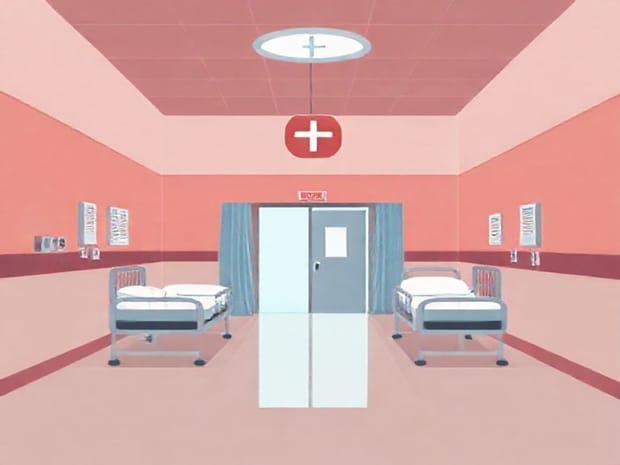
Institutionalized In A Mental Hospital
Being institutionalized in a mental hospital is a profound experience that can significantly impact an individual’s life, mental health, and perception of society. Mental hospitals, also known as psychiatric facilities, are designed to provide treatment, support, and care for individuals experiencing severe mental health issues. While the term institutionalized often carries negative connotations, referring to long-term hospitalization and the loss of personal autonomy, it also encompasses structured care, access to medical professionals, and a controlled environment aimed at promoting recovery. Understanding the process, implications, and experiences of institutionalization is essential for reducing stigma, improving mental health care, and supporting those affected.
Definition and Purpose of Mental Hospital Institutionalization
Institutionalization refers to the process of admitting a person into a mental hospital for extended care and treatment. Unlike short-term hospitalization, institutionalization often involves structured routines, continuous monitoring, and comprehensive therapeutic programs designed to address complex psychiatric conditions. Mental hospitals serve multiple purposes, including crisis stabilization, long-term rehabilitation, and provision of specialized treatments for conditions such as schizophrenia, bipolar disorder, severe depression, and personality disorders. While the goal is often recovery and reintegration into society, institutionalization can also lead to challenges related to dependency, social isolation, and adjustment to life outside the facility.
Reasons for Institutionalization
- Severe mental health crises that pose a risk to the individual or others.
- Chronic psychiatric conditions that require long-term supervision and treatment.
- Lack of family or social support to manage mental health effectively at home.
- Need for intensive therapy, medication management, or specialized care not available in outpatient settings.
- Behavioral issues or self-harming tendencies that require controlled environments.
Life Inside a Mental Hospital
The daily life of someone institutionalized in a mental hospital is structured around routines, therapy sessions, and medical supervision. Patients typically follow a schedule that includes group therapy, individual counseling, recreational activities, and medication administration. The environment is designed to be safe, supportive, and therapeutic, but it can also feel restrictive due to rules, limited privacy, and constant supervision. Understanding these dynamics is important for appreciating both the benefits and challenges of institutionalization.
Therapeutic Programs
- Individual Psychotherapy Personalized sessions with psychiatrists or psychologists to address specific mental health issues.
- Group Therapy Facilitates peer support and social skill development among patients.
- Occupational Therapy Helps patients develop practical skills and regain independence in daily activities.
- Medication Management Regular monitoring and adjustment of psychiatric medications to ensure stability and reduce symptoms.
- Recreational Activities Structured activities such as art, music, or exercise to promote emotional well-being and engagement.
Psychological Impact of Institutionalization
Being institutionalized can have profound psychological effects. On one hand, structured care and access to professional support can stabilize severe mental health conditions, improve coping mechanisms, and reduce harmful behaviors. On the other hand, extended institutionalization can lead to dependency, social withdrawal, and difficulty reintegrating into society. Patients may experience feelings of isolation, loss of autonomy, and stigma associated with mental illness. Understanding these psychological impacts is essential for providing compassionate care and supporting long-term recovery.
Challenges Faced by Patients
- Loss of independence and personal freedom due to structured routines and hospital rules.
- Social isolation from family, friends, and the broader community.
- Stigma associated with mental illness and hospitalization, which can affect self-esteem.
- Difficulty adjusting to life outside the hospital after long-term institutionalization.
- Emotional struggles related to trauma, depression, or anxiety caused by prolonged hospitalization.
Benefits of Institutionalization
Despite the challenges, institutionalization in a mental hospital offers significant benefits for individuals with severe mental health conditions. The controlled environment ensures safety, access to professional care, and the implementation of evidence-based treatment plans. Patients can receive continuous monitoring, timely interventions during crises, and structured routines that reduce stress and uncertainty. Institutionalization also provides opportunities for social interaction in a safe setting, skill development, and long-term rehabilitation aimed at achieving stability and functional independence.
Advantages of Structured Care
- Continuous supervision to prevent self-harm or dangerous behaviors.
- Access to a multidisciplinary team of mental health professionals.
- Opportunities for socialization and peer support in group settings.
- Implementation of personalized treatment plans for optimal recovery.
- Reduction of environmental stressors that can exacerbate psychiatric conditions.
Reintegration and Post-Hospitalization Challenges
Transitioning from a mental hospital to community living is a critical phase in recovery. Patients often require ongoing outpatient therapy, medication management, and social support to maintain stability. Reintegration can be challenging due to societal stigma, difficulty adjusting to unstructured environments, and the need to rebuild personal and professional relationships. Support networks, including family, mental health professionals, and community programs, play a crucial role in ensuring a successful transition.
Strategies for Successful Reintegration
- Gradual exposure to social and occupational environments to rebuild confidence.
- Continuous therapy and counseling to address residual symptoms and coping strategies.
- Peer support groups to share experiences and reduce feelings of isolation.
- Education and awareness programs to combat societal stigma associated with mental illness.
- Monitoring and follow-up by mental health professionals to prevent relapse.
Reducing Stigma and Misconceptions
Institutionalization in a mental hospital is often misunderstood, leading to stigma and discrimination. Society may view institutionalized individuals as dangerous, unstable, or incapable, which can exacerbate mental health challenges and hinder recovery. Promoting accurate understanding, empathy, and awareness is essential for reducing stigma. Mental health education, media representation, and advocacy can help change perceptions and support inclusive communities that respect the dignity and potential of individuals receiving psychiatric care.
Key Approaches to Reducing Stigma
- Public education campaigns highlighting mental health realities and treatment outcomes.
- Encouraging open discussions about mental illness in schools, workplaces, and communities.
- Supporting patient advocacy programs that empower individuals to share their experiences.
- Promoting policies that protect the rights and dignity of institutionalized individuals.
- Training healthcare providers to deliver compassionate, stigma-free care.
Being institutionalized in a mental hospital is a complex experience that combines challenges, treatment, and opportunities for recovery. While it can lead to feelings of loss, dependency, and social isolation, it also provides structured care, safety, and access to professional support necessary for managing severe mental health conditions. Understanding the implications, benefits, and psychological effects of institutionalization is essential for reducing stigma, improving mental health care, and supporting individuals throughout their journey of recovery.
Ultimately, institutionalization should be viewed as a step toward healing rather than a permanent label. With effective treatment, supportive networks, and community reintegration strategies, individuals can regain independence, develop coping skills, and lead fulfilling lives. Society’s role in fostering understanding, compassion, and acceptance is crucial for creating environments where institutionalized individuals are empowered, respected, and given the opportunity to thrive beyond the hospital walls.