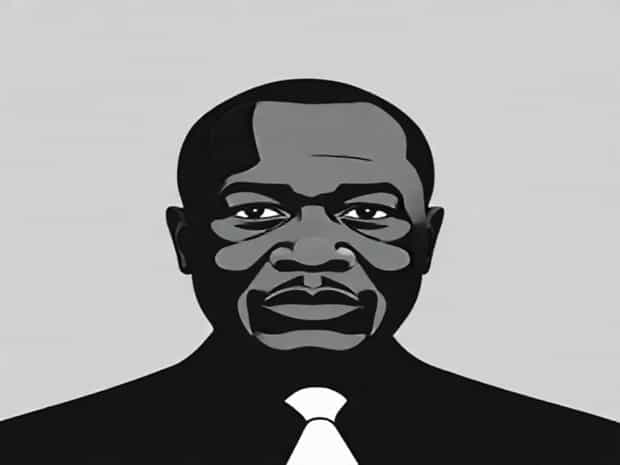
First President Of Congo Brazzaville
The history of Congo-Brazzaville, officially known as the Republic of the Congo, is closely tied to its struggle for independence from French colonial rule. Among the key figures who shaped the nation in its early years, the first president of Congo-Brazzaville, Abbé Fulbert Youlou, stands out as a central character. His leadership, marked by both achievements and controversies, reflected the challenges of building a young African state in the 1960s. To understand the significance of Fulbert Youlou’s presidency, it is essential to explore his background, political career, and the events that unfolded during his rule.
Early Life and Background of Fulbert Youlou
Fulbert Youlou was born on July 9, 1917, in the village of Madibou near Brazzaville. Raised in a Catholic family, he was initially trained for the priesthood. His early education was shaped by Catholic schools, and he later attended the seminary, becoming ordained as a priest. This earned him the title Abbé, which remained attached to his name throughout his life. However, Youlou’s interest in politics and leadership eventually led him to leave the priesthood, a decision that would place him at the forefront of Congo-Brazzaville’s independence movement.
Political Rise and Path to Presidency
As French colonial rule began to weaken after World War II, nationalist movements grew across Africa. In Congo-Brazzaville, Fulbert Youlou became one of the prominent leaders advocating for independence and political reform. He founded the Union Démocratique pour la Défense des Intérêts Africains (UDDIA), a political party that gained significant support among Congolese citizens. His charisma, oratory skills, and ability to connect with diverse communities helped him become a unifying figure.
Steps Toward Independence
The late 1950s marked a turning point for Congo-Brazzaville. The French colonial administration began granting greater autonomy to its African territories. In 1958, the Republic of the Congo became an autonomous republic within the French Community, and Fulbert Youlou was appointed Prime Minister. This role positioned him to lead the country toward full sovereignty. On August 15, 1960, Congo-Brazzaville officially declared independence, and Fulbert Youlou was elected as its first president.
Presidency of Fulbert Youlou
As the first president of Congo-Brazzaville, Fulbert Youlou faced the enormous challenge of building a stable state in a newly independent country. His administration sought to establish a national identity, strengthen political institutions, and promote economic development. However, his leadership style and policies generated both support and opposition.
Domestic Policies
Youlou focused on consolidating power and centralizing authority in the presidency. He promoted the idea of a one-party system, arguing that political unity was necessary to prevent divisions in the fragile nation. Under his leadership, the UDDIA became the dominant political force, and other political activities were suppressed. While this allowed for some stability, it also created tensions with opposition leaders and intellectuals who sought more democratic freedoms.
Economic Initiatives
The economy of Congo-Brazzaville during Youlou’s presidency remained dependent on French support and foreign investment. Agriculture, particularly cash crops such as cocoa and coffee, played a central role. Youlou attempted to encourage modernization and attract investment, but the lack of infrastructure and administrative capacity made economic growth difficult. Despite these efforts, poverty and inequality persisted, leading to growing dissatisfaction among ordinary citizens.
Foreign Relations
Fulbert Youlou maintained close ties with France, reflecting the historical influence of the colonial power. He aligned his country with Western interests during the Cold War, positioning Congo-Brazzaville as a pro-Western state. This foreign policy stance helped secure economic aid and diplomatic support, but it also created criticism from political opponents who favored stronger pan-African alliances and non-alignment.
Challenges and Opposition
While Fulbert Youlou’s presidency began with optimism, it soon became clear that his leadership faced significant challenges. Many of these stemmed from his attempts to consolidate power and control political opposition. Intellectuals, students, trade unions, and rival political groups began to voice dissatisfaction with his rule.
The Three Glorious Days
The most dramatic turning point of Youlou’s presidency came in August 1963, during what became known as Les Trois Glorieuses or The Three Glorious Days. Workers, students, and political activists organized protests in Brazzaville against his government, demanding greater freedom, better economic conditions, and an end to authoritarian rule. The demonstrations quickly grew in size and intensity, leading to violent clashes. With mounting pressure and loss of support from both the public and parts of the military, Fulbert Youlou was forced to resign on August 15, 1963, exactly three years after independence.
Life After the Presidency
After his resignation, Youlou was briefly imprisoned before being allowed to go into exile. He lived in France for the remainder of his life, largely removed from Congolese politics. Despite his early role as the first president of Congo-Brazzaville, his political career ended abruptly, and he never regained significant influence. Fulbert Youlou died on May 6, 1972, in Madrid, Spain.
Legacy of Fulbert Youlou
The legacy of the first president of Congo-Brazzaville remains complex and debated. On one hand, Fulbert Youlou is remembered as the leader who guided the nation to independence and became a symbol of Congolese sovereignty. His charisma and vision for a unified state left a lasting mark on the country’s early political landscape. On the other hand, his authoritarian tendencies, suppression of opposition, and inability to resolve economic and social problems weakened his presidency and led to his downfall.
Positive Contributions
- Led the movement for independence and became the country’s first head of state.
- Promoted national unity during the fragile early years of sovereignty.
- Established Congo-Brazzaville’s presence on the international stage.
Controversial Aspects
- Created a one-party system that limited democratic freedoms.
- Maintained strong dependence on France, limiting true political independence.
- Failed to address economic inequality and rising public discontent.
The story of Fulbert Youlou, the first president of Congo-Brazzaville, illustrates the difficulties faced by newly independent African nations in the 20th century. His leadership symbolized the hope and pride of independence, but it also revealed the struggles of balancing power, democracy, and economic development. While his presidency ended in turmoil, his role in shaping the early identity of the Republic of the Congo cannot be overlooked. Today, his legacy serves as both an inspiration and a cautionary tale about the challenges of leading a young nation through its formative years.
Understanding the life and presidency of Fulbert Youlou provides valuable insight into the political history of Congo-Brazzaville and the broader African experience of decolonization. His journey from priest to president and ultimately to exile reflects the complexities of leadership in a time of rapid change and highlights the enduring impact of the continent’s first generation of post-independence leaders.