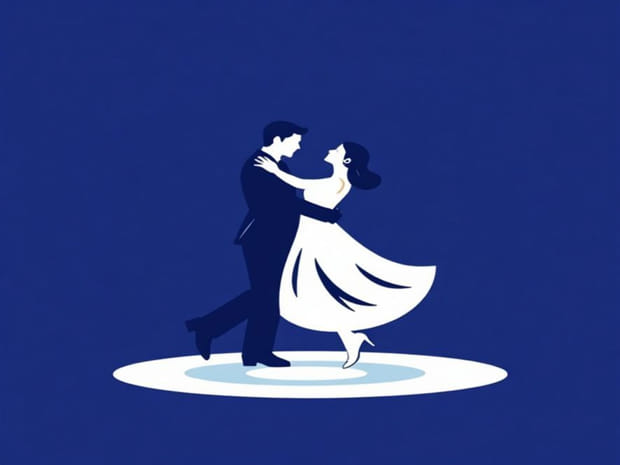
Ice Dance Viennese Waltz
Ice dance has long been celebrated as one of the most elegant and expressive forms of figure skating. Unlike singles or pairs skating, ice dance emphasizes rhythm, interpretation of music, and intricate footwork rather than jumps or throws. Among the various styles within ice dance, the Viennese Waltz holds a special place due to its historical roots, graceful flow, and the romantic charm it brings to the ice. Skaters performing the Viennese Waltz must combine precision, timing, and expressive artistry to convey the essence of this classic dance style.
Origins of the Viennese Waltz
The Viennese Waltz originated in Austria during the late 18th century. It evolved from traditional folk dances into a sophisticated ballroom dance known for its quick tempo and rotational movements. The dance became popular across European ballrooms and was admired for its smooth gliding steps and flowing rotations. Its musical accompaniment typically involves a 3/4 time signature, which gives the waltz its characteristic rhythmic feel. This historical background influences the way ice dancers interpret and perform the Viennese Waltz on the ice today.
The Transition from Ballroom to Ice
Adapting the Viennese Waltz from ballroom dance to ice dance required adjustments in technique and movement. Ice dancers must master edges, turns, and synchronized footwork to maintain the waltz’s fluidity. The challenge lies in combining the traditional rotations and steps of the ballroom version with the gliding movements of ice skating. Skaters must exhibit both technical skill and expressive artistry to communicate the elegance and energy of the dance. Judges in ice dance competitions look for this seamless blend of technical precision and emotional interpretation.
Characteristics of Ice Dance Viennese Waltz
The Viennese Waltz in ice dance is recognized for several key characteristics. These include continuous motion, rotational elements, close partner connection, and musical interpretation. Skaters move gracefully across the ice, maintaining a strong hold while performing synchronized turns and intricate footwork. The rhythm of the music drives the pacing, and skaters must match their steps to every beat. The dance emphasizes elegance, smoothness, and the ability to maintain a flowing pattern while executing complex movements.
Technical Elements
- Rotational StepsSkaters execute continuous turns and rotations while maintaining balance and alignment.
- Edge WorkPrecise use of inside and outside edges is crucial for smooth gliding and proper execution of turns.
- Footwork SequencesComplex step sequences demonstrate skill and adherence to the rhythm of the music.
- Partner SynchronizationMaintaining a consistent connection and synchronized movements between partners is essential.
Artistic Expression
Beyond technical elements, artistic expression is central to the Viennese Waltz. Skaters convey emotions, tell a story, and embody the elegance of the music through posture, carriage, and facial expressions. The dance’s romantic and flowing nature allows performers to showcase grace, intimacy, and dramatic flair. Choreographers often incorporate lifts, twirls, and flowing sequences that highlight both the physical and expressive capabilities of the skaters.
Competitions and Scoring
In ice dance competitions, the Viennese Waltz is often included as a required pattern dance or free dance segment. Judges assess skaters on technical execution, timing, musical interpretation, and overall presentation. Points are awarded for clarity of steps, accuracy of rotations, smooth transitions, and the ability to maintain the character of the waltz. Skaters who excel in combining technical skill with expressive storytelling typically receive higher scores.
Training for Ice Dance Viennese Waltz
Training for the Viennese Waltz involves mastering both skating technique and dance interpretation. Skaters practice balance, edge control, timing, and rotational movements extensively. Off-ice training often includes ballroom dance practice, flexibility exercises, and strength conditioning. Coaches emphasize posture, frame, and the ability to move fluidly with a partner. Mental focus is also critical, as skaters must remain synchronized with the music and each other throughout their performance.
Famous Ice Dance Performances
Many ice dance teams have brought the Viennese Waltz to life in memorable performances. These routines are often praised for their elegance, seamless flow, and emotional connection. Skaters who excel in the Viennese Waltz demonstrate not only technical mastery but also the ability to captivate audiences with storytelling and charm. Iconic performances often inspire younger skaters to pursue ice dance and study the intricacies of this classic dance style.
Influence on Modern Ice Dance
The Viennese Waltz has had a lasting influence on modern ice dance. Elements of the waltz, including rotational movements, close partner connections, and flowing patterns, continue to appear in contemporary routines. Skaters often incorporate Viennese Waltz techniques into free dances to create elegant and expressive sequences. This influence highlights the dance’s enduring appeal and its importance in the development of ice dance as a competitive and artistic sport.
The ice dance Viennese Waltz is a perfect blend of history, technical skill, and artistic expression. From its origins in 18th-century Austrian ballrooms to its adaptation on the ice, the dance has maintained its elegance, romantic charm, and flowing character. Skaters who perform the Viennese Waltz must master complex footwork, synchronized rotations, and expressive artistry, making it a true test of both skill and creativity. The enduring popularity of the Viennese Waltz in ice dance competitions highlights its timeless beauty and significance in the world of figure skating.
Whether you are a beginner skater, an experienced competitor, or simply an admirer of ice dance, understanding the nuances of the Viennese Waltz can deepen appreciation for this intricate art form. From rotational steps and edge work to musical interpretation and partner connection, every element contributes to the mesmerizing performance that captivates audiences worldwide. The Viennese Waltz in ice dance is more than a sequence of movements it is an expressive, historical, and artistic celebration on ice.