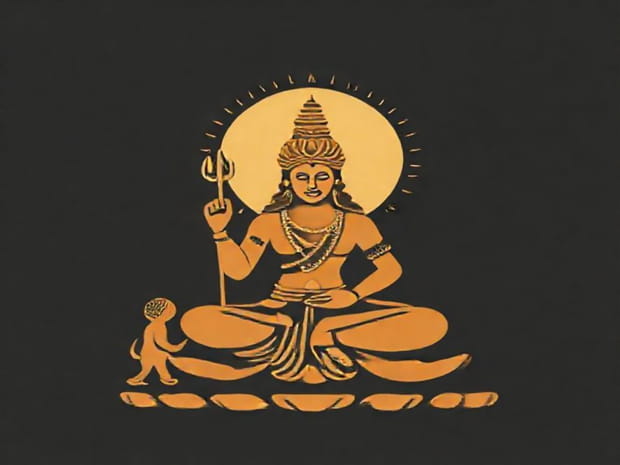
How Was Hinduism Founded
Hinduism is one of the oldest and most complex religions in the world, with roots stretching back thousands of years in the Indian subcontinent. Unlike many other major religions, Hinduism does not have a single founder or a precise moment of origin. Instead, it developed gradually over time through the convergence of diverse cultural, spiritual, and philosophical traditions. Understanding how Hinduism was founded requires exploring its early historical context, the synthesis of beliefs, and the evolution of practices that shaped this enduring faith.
Early Roots in the Indus Valley Civilization
The origins of Hinduism can be traced back to the Indus Valley Civilization, which thrived around 2500-1500 BCE in what is now modern-day India and Pakistan. Archaeological evidence, including seals, figurines, and symbols, suggests that early forms of worship involved fertility rituals, nature reverence, and proto-deities. While these practices were not yet formalized as Hinduism, they laid the groundwork for many concepts that would later become central to the religion, such as ritual purity, sacred spaces, and devotion to multiple gods.
Vedic Influence
The arrival of the Indo-Aryans around 1500 BCE introduced new religious ideas and practices that heavily influenced the development of Hinduism. The sacred texts known as the Vedas, composed in Sanskrit, formed the foundation of Vedic religion, emphasizing rituals, sacrifices, and hymns to deities such as Agni, Indra, and Varuna. The Vedic period established the importance of dharma (duty), karma (action and consequence), and yajna (sacrificial rituals), concepts that remain integral to Hindu thought today.
Formation of Core Philosophical Ideas
Over time, the early Vedic traditions evolved into more sophisticated philosophical frameworks. The Upanishads, composed between 800 and 500 BCE, introduced ideas about the ultimate reality (Brahman), the soul (Atman), and the interconnectedness of all life. These texts shifted focus from ritualistic practices to introspection, meditation, and ethical living. The philosophical insights of the Upanishads significantly shaped Hinduism’s worldview, emphasizing self-realization, spiritual knowledge, and the pursuit of moksha, or liberation from the cycle of birth and death.
The Role of Epic Literature
Epic texts such as the Mahabharata and Ramayana, composed between 400 BCE and 400 CE, further developed Hindu religious ideas and social norms. These epics presented moral dilemmas, dharma, and devotion through engaging narratives, making complex spiritual teachings accessible to the general population. The Bhagavad Gita, a section of the Mahabharata, remains one of Hinduism’s most influential texts, offering guidance on duty, righteousness, and the path to spiritual enlightenment. These works helped consolidate diverse beliefs into a more coherent religious identity.
Integration of Local Traditions and Deities
As Hinduism evolved, it absorbed and integrated various local practices, deities, and folk traditions. Regional cults, village gods, and mother goddess worship were harmonized with Vedic and philosophical teachings, resulting in a diverse pantheon of gods and goddesses. Major deities such as Vishnu, Shiva, and Devi emerged as focal points of devotion, while local spirits and heroes were incorporated into Hindu cosmology. This adaptability allowed Hinduism to thrive across different cultures and geographic regions.
Development of Rituals and Worship
Rituals and temple worship became central aspects of Hindu practice. Early sacrificial rituals gave way to devotional worship (bhakti) and meditation, reflecting the religion’s philosophical evolution. Festivals, pilgrimages, and community gatherings helped reinforce social cohesion and spiritual discipline. The integration of ritual and devotion created a dynamic religious system that addressed both personal spirituality and communal identity, making Hinduism a living and evolving tradition.
Influence of Philosophical Schools
Hinduism also developed through the establishment of distinct philosophical schools, known as darshanas. Six classical schools Nyaya, Vaisheshika, Samkhya, Yoga, Mimamsa, and Vedanta provided systematic approaches to knowledge, ethics, and metaphysics. Vedanta, in particular, emphasized the unity of Atman and Brahman, influencing devotional movements and spiritual practices. These schools allowed Hinduism to embrace intellectual diversity while maintaining core spiritual principles, contributing to its resilience and depth.
Bhakti and Devotional Movements
From the first millennium CE onward, the bhakti movement played a key role in popularizing Hinduism. Devotional poetry, songs, and communal worship focused on loving devotion to a personal deity, such as Krishna, Rama, or Shiva. Bhakti emphasized accessibility, allowing people from all social classes to participate in religious life. This movement reinforced the ethical and spiritual dimensions of Hinduism, emphasizing love, compassion, and surrender to the divine.
The Role of Cultural and Historical Continuity
Hinduism’s endurance over thousands of years is partly due to its ability to integrate cultural, historical, and philosophical influences. It absorbed ideas from Buddhism, Jainism, and regional practices while maintaining continuity with Vedic and Upanishadic traditions. This flexible and adaptive nature allowed Hinduism to respond to changing social and political contexts without losing its core principles of dharma, karma, and moksha.
Hinduism in the Modern Era
Today, Hinduism continues to evolve while remaining deeply rooted in its historical foundations. Globalization, migration, and modern philosophical thought have introduced new interpretations, but the essential principles of devotion, ethical conduct, and spiritual growth persist. Temples, rituals, festivals, and sacred texts remain central to Hindu identity, connecting millions of followers worldwide to a rich tradition that spans millennia.
Hinduism was not founded by a single individual at a single point in time but developed gradually through a complex interplay of historical events, philosophical inquiry, cultural integration, and devotional practices. From the Indus Valley Civilization to the Vedic age, from the Upanishads to the epic narratives, Hinduism evolved by assimilating diverse beliefs and traditions. Its adaptability, philosophical depth, and spiritual richness have allowed it to endure for thousands of years. Understanding how Hinduism was founded reveals the remarkable complexity and continuity of this ancient faith, offering insights into its enduring appeal, ethical teachings, and spiritual significance for billions of people around the world.