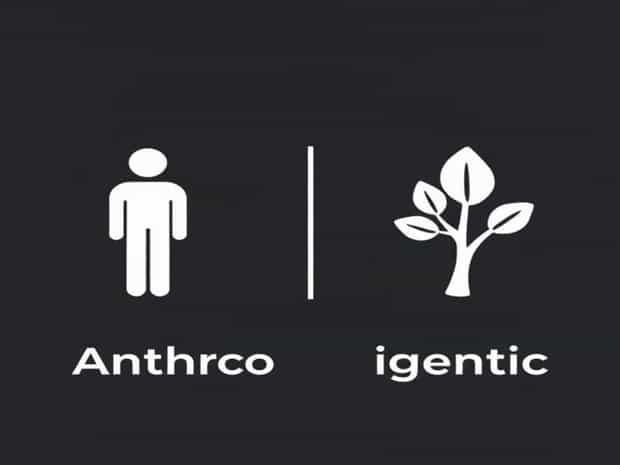
Difference Between Anthropocentric And Anthropogenic
Understanding the distinction between the terms anthropocentric” and “anthropogenic” is crucial in discussions about human interaction with the environment, ethics, and scientific research. While both terms derive from the Greek root “anthropos,” meaning human, they address very different concepts. Anthropocentric relates to human-centered perspectives, particularly in philosophy, ethics, and environmental discourse. Anthropogenic, on the other hand, refers to effects or processes that originate from human activity, especially in ecological and climate science contexts. Misinterpreting these terms can lead to confusion in debates about environmental policy, sustainability, and the role of humanity in shaping the natural world.
Defining Anthropocentric
The term “anthropocentric” literally means “human-centered.” It is often used to describe a worldview or approach in which human beings are considered the central or most significant entities in the universe. This perspective shapes ethical, philosophical, and environmental thinking, influencing how societies value other species, ecosystems, and natural resources.
Philosophical Context
In philosophy, anthropocentric thinking prioritizes human interests and experiences over non-human entities. This perspective often underpins ethical frameworks that focus on human welfare, rights, and needs. For example, decisions regarding land use, resource management, or animal rights may be guided by anthropocentric reasoning, emphasizing benefits or impacts for humans rather than the intrinsic value of nature itself.
Environmental Implications
Anthropocentrism in environmental discourse can influence policy and conservation strategies. When human needs are prioritized, ecosystems and species may be managed primarily for their utility to humans, such as forests for timber or rivers for water supply. Critics argue that this approach can lead to ecological degradation because it overlooks the inherent worth of non-human life and the complex interdependencies within ecosystems.
Defining Anthropogenic
Anthropogenic, in contrast, refers to processes, changes, or effects that are caused directly or indirectly by human activities. This term is widely used in environmental science, climatology, and ecology to describe phenomena that result from human intervention rather than natural forces.
Climate Science and Pollution
One of the most common uses of anthropogenic is in reference to climate change. Anthropogenic climate change is driven by human activities such as burning fossil fuels, deforestation, and industrial emissions, which increase greenhouse gases in the atmosphere. Similarly, terms like anthropogenic pollution or anthropogenic land use highlight the impact of human behavior on ecosystems, air quality, and water resources.
Ecological Implications
In ecology, anthropogenic influences can alter species distribution, habitat quality, and biodiversity. Urbanization, agriculture, and industrial development are examples of anthropogenic changes that affect natural environments. Recognizing anthropogenic impacts is critical for conservation planning, sustainability efforts, and mitigating environmental damage.
Key Differences Between Anthropocentric and Anthropogenic
While both terms are related to humans, their meanings and applications differ significantly. Understanding these distinctions is essential for clear communication in academic, scientific, and policy contexts.
Focus and Perspective
- AnthropocentricFocuses on human beings as the central concern, often in terms of ethics, value, or worldview.
- AnthropogenicFocuses on human-caused effects or changes in the environment, emphasizing causality rather than value or perspective.
Disciplinary Usage
- AnthropocentricPrimarily used in philosophy, ethics, environmental policy, and sociology.
- AnthropogenicPrimarily used in science, ecology, climatology, and environmental studies.
Implications for Environmental Thinking
- Anthropocentric thinking can justify human-centered decision-making that may prioritize short-term benefits over long-term ecological health.
- Recognizing anthropogenic effects highlights the responsibility humans have for environmental damage and emphasizes the need for mitigation and sustainable practices.
Examples in Real-World Contexts
Understanding practical examples can help clarify the distinction between anthropocentric and anthropogenic concepts.
Anthropocentric Example
An urban planning project that prioritizes human recreation, housing, and transportation over the preservation of local wildlife habitats reflects an anthropocentric approach. The focus is on maximizing benefits for humans, even if it alters or diminishes natural ecosystems.
Anthropogenic Example
Deforestation caused by agricultural expansion is an anthropogenic impact. Here, the emphasis is on the fact that human activity directly causes changes to the environment, which may include loss of biodiversity, soil erosion, and altered carbon cycles.
Intersections and Overlaps
Although distinct, anthropocentric and anthropogenic concepts often intersect. Human-centered worldviews can lead to anthropogenic effects. For example, an anthropocentric perspective that prioritizes economic growth can result in anthropogenic environmental changes such as industrial pollution or urban sprawl. Recognizing the link between values (anthropocentric) and impacts (anthropogenic) is essential for developing responsible policies and sustainable practices.
Policy Implications
Understanding these differences can inform more effective environmental policies. Policymakers can design strategies that mitigate anthropogenic impacts while challenging anthropocentric assumptions that undervalue ecological health. Integrating both perspectives can lead to solutions that balance human needs with environmental sustainability.
The difference between anthropocentric and anthropogenic is fundamental for clear communication in environmental, philosophical, and scientific discussions. Anthropocentric emphasizes a human-centered perspective, focusing on ethics, values, and worldview. Anthropogenic, in contrast, describes human-caused effects or processes, particularly in environmental science. Recognizing these distinctions helps clarify debates about human responsibility, environmental policy, and sustainability. Furthermore, understanding the interplay between anthropocentric values and anthropogenic impacts can guide more informed, ethical, and effective decisions to address the challenges posed by climate change, pollution, and ecological degradation. By distinguishing between perspective and causality, individuals, scholars, and policymakers can navigate complex discussions with precision, ensuring that both human interests and environmental integrity are thoughtfully considered.