How To Use Peat Moss
Peat moss is a highly versatile and valuable soil amendment widely used in gardening and horticulture. Its ability to improve soil structure, retain moisture, and provide a slightly acidic environment makes it ideal for a variety of plants, including vegetables, flowers, and acid-loving species like blueberries and azaleas. Knowing how to use peat moss effectively can dramatically enhance plant health and growth while reducing watering needs. With proper preparation, application, and maintenance, gardeners can leverage peat moss to create nutrient-rich, well-aerated, and moisture-retentive soil conditions.
Understanding Peat Moss
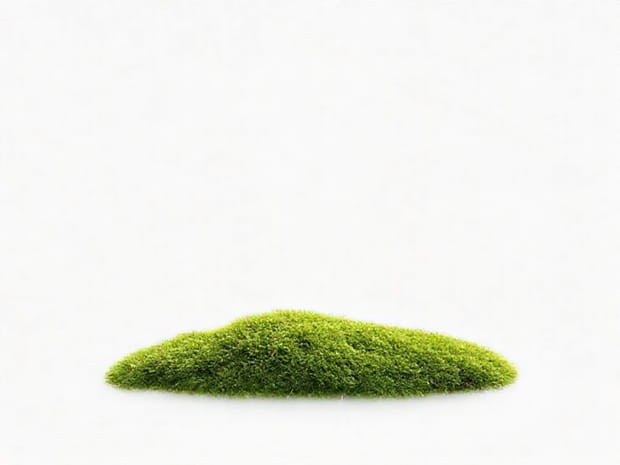
Peat moss is an organic material harvested from peat bogs, composed primarily of partially decomposed sphagnum moss. It is lightweight, spongy, and highly absorbent, making it an excellent soil conditioner. Unlike compost or other organic matter, peat moss is naturally sterile, free from weed seeds and pathogens, which makes it safe to use in planting beds, pots, and seed-starting mixes.
Types of Peat Moss
- Sphagnum Peat MossThe most common type, ideal for soil improvement and seed starting.
- Rewetted PeatPre-moistened peat moss, ready for immediate use in garden beds and containers.
- Fine vs. CoarseFine peat is suitable for seed starting and mixing with potting soil, while coarse peat is better for soil aeration and larger garden beds.
Preparing Peat Moss for Use
Proper preparation ensures peat moss is effectively incorporated into soil or potting mixes. Because it is highly acidic and dense when dry, preparation helps prevent clumping, uneven distribution, and potential nutrient imbalance.
Hydrating Peat Moss
- Place dry peat moss in a large container or wheelbarrow.
- Sprinkle water evenly over the peat, allowing it to absorb moisture gradually.
- Let it sit for 15-30 minutes, then fluff and break up clumps with a garden fork or your hands.
- Ensure the peat moss is damp but not overly saturated before mixing with soil.
Mixing with Soil
- Combine peat moss with garden soil at a ratio of roughly 13 (peat moss to soil) for general soil improvement.
- For acid-loving plants, you can increase the proportion of peat moss to achieve a more acidic pH.
- Mix thoroughly to ensure even distribution, improving soil structure and drainage.
Using Peat Moss in Garden Beds
Peat moss can be directly applied to garden beds to improve soil quality and support healthy plant growth. Its high water retention capability helps reduce irrigation frequency, while its light texture prevents soil compaction.
Steps for Garden Bed Application
- Loosen the soil in your garden bed using a hoe or garden fork.
- Spread a 2-3 inch layer of hydrated peat moss evenly over the soil surface.
- Incorporate the peat moss into the top 6-8 inches of soil using a tiller or garden fork.
- Level the bed and water thoroughly to settle the soil mixture and eliminate air pockets.
Using Peat Moss in Containers and Potting Mixes
Peat moss is widely used in container gardening due to its ability to retain moisture and provide aeration. It is often a key ingredient in homemade or commercial potting mixes.
Container Gardening Mix
- Mix peat moss with perlite or vermiculite in a 21 ratio for optimal drainage and aeration.
- Add compost or a slow-release fertilizer to supply essential nutrients.
- Ensure the final mixture is light, fluffy, and holds moisture without becoming soggy.
Seed Starting Mix
- Use fine peat moss for seed-starting trays or small pots.
- Mix with a small amount of vermiculite to enhance moisture retention.
- Keep the medium moist and warm to promote rapid germination.
Adjusting Soil pH with Peat Moss
Peat moss naturally lowers soil pH, making it ideal for acid-loving plants. Monitoring and adjusting soil pH is important to ensure optimal nutrient availability.
Steps for pH Adjustment
- Test soil pH using a home kit or professional lab test.
- For acidic soil needs, incorporate additional peat moss until the desired pH is reached.
- For neutral soils, balance peat moss with lime or other alkaline amendments.
- Re-test the soil after a few weeks to ensure stability.
Maintenance and Care
After applying peat moss, proper maintenance helps maximize its benefits and supports plant growth throughout the season.
Watering
- Peat moss retains water efficiently, reducing the need for frequent watering.
- Monitor soil moisture to avoid overwatering, which can lead to root rot.
Fertilization
- Because peat moss is low in nutrients, supplement with compost, fertilizer, or organic amendments.
- Apply fertilizer according to plant type and growth stage to maintain healthy growth.
Mulching
- Peat moss can be used as a top mulch layer to reduce weed growth and maintain soil moisture.
- Apply a thin 1-2 inch layer around plants, avoiding direct contact with stems or trunks.
Environmental Considerations
While peat moss is highly effective in gardening, it is important to consider sustainability. Peat bogs are sensitive ecosystems, and overharvesting can lead to environmental damage. Using peat moss responsibly and exploring alternatives like coconut coir can reduce environmental impact.
Peat moss is a versatile soil amendment that significantly improves soil structure, moisture retention, and acidity for a wide range of plants. Proper hydration, incorporation into soil or potting mixes, and careful monitoring of soil pH and moisture are essential for maximizing its benefits. By understanding how to use peat moss effectively in garden beds, containers, and seed-starting trays, gardeners can support healthier plants, reduce watering needs, and achieve better overall growth. Responsible use and consideration of environmental impacts ensure that peat moss continues to be a valuable resource for sustainable gardening practices.