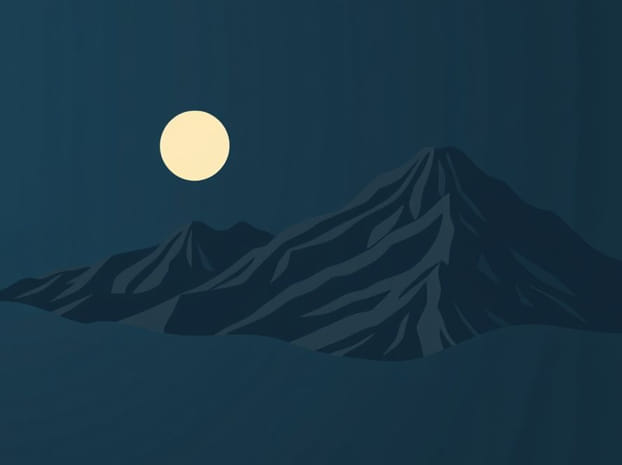
How Are Volcanic Mountains
Volcanic mountains are some of the most fascinating and dramatic features of the Earth’s surface. These mountains are formed through the movement of molten rock, gases, and ash from beneath the Earth’s crust to its surface. Over thousands or even millions of years, repeated eruptions build up layers of lava and volcanic debris, creating the steep, cone-shaped structures we recognize as volcanic mountains. Understanding how volcanic mountains are formed provides insight into Earth’s dynamic geological processes, the forces that shape our planet, and the natural hazards associated with volcanic activity.
The Formation of Volcanic Mountains
Volcanic mountains are created primarily through the eruption of magma, which is molten rock beneath the Earth’s surface. When magma rises through cracks in the Earth’s crust, it reaches the surface as lava. This lava cools and solidifies, gradually building up layers over time. Each eruption adds new material, slowly increasing the height and size of the mountain. The repeated deposition of lava, ash, and volcanic rocks contributes to the characteristic conical shape of many volcanic mountains.
Types of Volcanic Mountains
There are several types of volcanic mountains, each formed through different eruptive processes
- Shield VolcanoesBroad, gently sloping mountains formed primarily by the flow of low-viscosity lava. Mauna Loa in Hawaii is a classic example.
- Stratovolcanoes (Composite Volcanoes)Steep-sided, symmetrical mountains built from alternating layers of lava, ash, and volcanic rocks. Mount Fuji in Japan and Mount St. Helens in the United States are well-known examples.
- Cinder Cone VolcanoesSmaller, steep-sided mountains formed from volcanic debris, such as ash and cinders, rather than large flows of lava. Parícutin in Mexico is a famous cinder cone.
- Lava DomesRounded, steep-sided mountains created by slow-moving, viscous lava that piles up near the vent. Mount St. Helens also has a lava dome in its crater.
The Role of Plate Tectonics
Plate tectonics plays a crucial role in the formation of volcanic mountains. Most volcanic activity occurs along the boundaries of tectonic plates, where the Earth’s crust is either colliding, pulling apart, or sliding past another plate. At convergent boundaries, one plate is forced beneath another, causing magma to rise and form volcanic mountains. At divergent boundaries, plates move apart, allowing magma to reach the surface and create new volcanic formations. Hotspots, areas where plumes of hot mantle material rise independently of plate boundaries, can also create volcanic mountains, such as those in the Hawaiian Islands.
Volcanic Eruptions and Mountain Growth
The growth of a volcanic mountain depends on the frequency and magnitude of eruptions. Each eruption deposits layers of lava, ash, and tephra, gradually increasing the mountain’s height. Explosive eruptions can create dramatic changes in the mountain’s shape and structure, sometimes forming calderas or craters at the summit. In contrast, effusive eruptions, where lava flows gently from the vent, contribute to the gradual expansion of the mountain over a broader area. Understanding the eruption type is essential for predicting how a volcanic mountain evolves over time.
Volcanic Rocks and Soil Formation
The material expelled during volcanic eruptions forms various types of rocks, including basalt, andesite, rhyolite, and pumice. These rocks not only contribute to the structure of volcanic mountains but also affect the surrounding landscape and ecosystems. Over time, weathering and erosion break down volcanic rocks into fertile soils rich in minerals, supporting diverse plant life. Volcanic soil is particularly valued for agriculture, making regions around volcanic mountains important for farming communities worldwide.
Volcanic Hazards
While volcanic mountains are awe-inspiring, they also pose significant natural hazards. Eruptions can produce lava flows, pyroclastic flows, ashfall, and volcanic gases, all of which can be dangerous to human life and property. Earthquakes often accompany volcanic activity, and volcanic mountains may experience landslides or lahars mudflows composed of volcanic material and water. Understanding how volcanic mountains form and behave is crucial for risk assessment and disaster preparedness in nearby communities.
Famous Volcanic Mountains
Volcanic mountains are found on every continent and vary widely in size and shape. Some of the most famous include
- Mount Fuji, JapanA classic stratovolcano with a nearly symmetrical cone.
- Mauna Loa, HawaiiThe largest shield volcano on Earth, with gentle slopes covering a vast area.
- Mount Vesuvius, ItalyKnown for the catastrophic eruption in AD 79 that buried Pompeii.
- Mount St. Helens, USAFamous for its explosive eruption in 1980 that reshaped the mountain.
- Krakatoa, IndonesiaNotable for the massive 1883 eruption that had global climatic effects.
Ecological and Cultural Importance
Volcanic mountains influence ecosystems and human culture in many ways. Their fertile soils support agriculture, while the unique landscapes provide habitats for diverse species of plants and animals. Culturally, volcanic mountains often hold spiritual or historical significance for local communities. They attract tourists, hikers, and scientists alike, offering opportunities for education, recreation, and economic activity. Volcanic mountains are therefore both natural wonders and critical components of human society.
Monitoring and Safety Measures
Modern technology allows scientists to monitor volcanic mountains closely to predict eruptions and minimize risk. Seismographs, gas sensors, satellite imagery, and thermal cameras provide real-time data on volcanic activity. Evacuation plans, early warning systems, and public education campaigns are vital for communities living near volcanic mountains. By studying how volcanic mountains form and behave, scientists can better anticipate eruptions and reduce the impact on human life and property.
Volcanic mountains are remarkable features created by the Earth’s dynamic geological processes. They form through repeated eruptions of magma, ash, and volcanic debris, often shaped by the movement of tectonic plates. These mountains vary in type, size, and eruption style, influencing the surrounding environment, human culture, and economies. Understanding how volcanic mountains are formed helps us appreciate their beauty, predict potential hazards, and utilize the fertile soils they create. From towering stratovolcanoes to gentle shield volcanoes, these mountains remind us of the Earth’s power and the intricate processes shaping our planet every day.