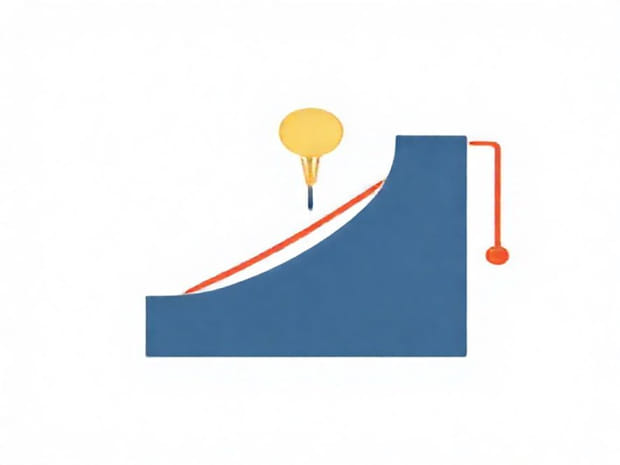
How To Use A Wedge In A Rube Goldberg Machine
Rube Goldberg machines are fascinating devices that perform simple tasks in overly complicated and creative ways. They rely on a series of chain reactions, carefully designed to produce a final outcome through unexpected and often humorous mechanisms. One of the most effective simple machines you can incorporate into a Rube Goldberg device is the wedge. Using a wedge in your machine can introduce motion, change direction, or trigger other components, enhancing the complexity and creativity of your design. Understanding how to use a wedge properly is essential for anyone looking to build an engaging and functional Rube Goldberg machine.
Understanding the Wedge
A wedge is a simple machine consisting of a triangular shape that can convert force applied to its blunt end into a splitting or separating force at its inclined surfaces. Common examples include knives, axes, and doorstops. In a Rube Goldberg machine, a wedge can be used to lift, split, or guide objects, transferring motion from one stage to the next. Its versatility makes it a valuable tool for designers looking to add both mechanical function and visual interest to their setups.
Basic Principles of a Wedge
The key principle behind a wedge is mechanical advantage. By applying force to the wide end of the wedge, a larger force is exerted along the inclined surfaces, causing objects to move apart or change direction. The angle and length of the wedge determine how much force is required and how effectively it moves objects. In a Rube Goldberg machine, these parameters must be carefully calibrated to ensure smooth transitions between steps.
Choosing the Right Wedge for Your Machine
Selecting the appropriate wedge is critical to achieving the desired effect. Factors to consider include size, material, angle, and placement. For instance, a thin, sharp wedge might be ideal for splitting lightweight materials like paper or cardboard, while a thicker wedge made from wood or plastic may be better for heavier objects like balls or small toys. The angle of the wedge affects how quickly and forcefully objects move; a steeper angle creates faster motion but requires more precise alignment.
Materials and Safety
Materials for wedges in Rube Goldberg machines should balance durability and safety. Wooden or plastic wedges are commonly used because they are easy to shape, strong enough to move objects, and relatively safe for experimentation. Metal wedges can provide more force but should be handled carefully to avoid injury. Safety is a key consideration, especially in projects involving children or public demonstrations.
Incorporating a Wedge into Your Rube Goldberg Machine
Once you understand how a wedge works and have chosen the appropriate material, you can begin integrating it into your machine. The wedge can serve multiple purposes, from initiating motion to redirecting objects or acting as a trigger for the next component.
1. Using a Wedge to Lift Objects
A wedge can act as a ramp or lift to raise objects into position for the next step. For example, a small wedge placed under a ball can convert downward motion into upward motion, allowing the ball to roll onto a new track. The key is to align the wedge properly so the motion is smooth and consistent. Adjusting the wedge’s height and angle ensures that objects move predictably.
2. Redirecting Motion
Another common use for a wedge is to change the direction of moving objects. For instance, a ball rolling down a ramp can hit a wedge positioned at an angle, causing it to change course and hit the next target. By carefully calculating the angle of impact, you can control the trajectory and timing, which is crucial for maintaining the chain reaction in your machine.
3. Triggering Subsequent Steps
Wedges can also be used as triggers. When an object presses against the wedge, it can push or lift another component, initiating the next sequence in the machine. For example, a wedge could lift a lever, release a toy car, or tip over a domino chain. This application leverages the wedge’s ability to convert force into directional motion, making it an effective trigger mechanism.
Design Tips for Effective Use
To maximize the effectiveness of a wedge in your Rube Goldberg machine, follow these design tips
- Test angles and placement Small adjustments can significantly affect the motion of objects.
- Consider weight and friction Heavier objects require more force, and surfaces with high friction may slow movement.
- Integrate with other simple machines Wedges can work with levers, pulleys, and inclined planes to create more complex and reliable reactions.
- Prioritize smooth transitions Ensure that objects do not get stuck or bounce unpredictably.
- Document your design Sketching or creating a flow diagram helps visualize the sequence of steps and troubleshoot problems.
Common Challenges
While wedges are versatile, they can present challenges. Misalignment may cause objects to miss the intended path, angles that are too steep can create excessive speed, and wedges that are too small or weak may fail to move heavier objects. Overcoming these challenges often requires trial and error, careful observation, and incremental adjustments. Patience is essential when incorporating wedges into a Rube Goldberg machine, as even small changes can dramatically affect performance.
Examples of Wedge Applications
Practical examples can inspire creative uses of wedges in your machine
- A wedge that lifts a book to release a ball rolling down a ramp.
- A wedge that redirects a rolling marble toward a lever, triggering the next step.
- A wedge used to separate a stack of dominoes, causing them to topple sequentially.
- A wedge that tilts a tray, allowing a small toy to slide and hit another object.
Each example demonstrates how a simple wedge can transform force, change direction, and initiate motion, adding both functionality and visual interest to a Rube Goldberg machine.
Using a wedge in a Rube Goldberg machine offers endless possibilities for creativity and mechanical ingenuity. By understanding the principles of wedges, selecting the right materials and angles, and carefully integrating them into your machine, you can create fascinating chain reactions that captivate and engage audiences. Wedges can lift, redirect, and trigger, making them essential tools for designers seeking to add complexity and charm to their machines. With careful planning, testing, and adjustment, wedges can help transform a simple sequence of actions into a spectacular Rube Goldberg device that delights both creators and observers.