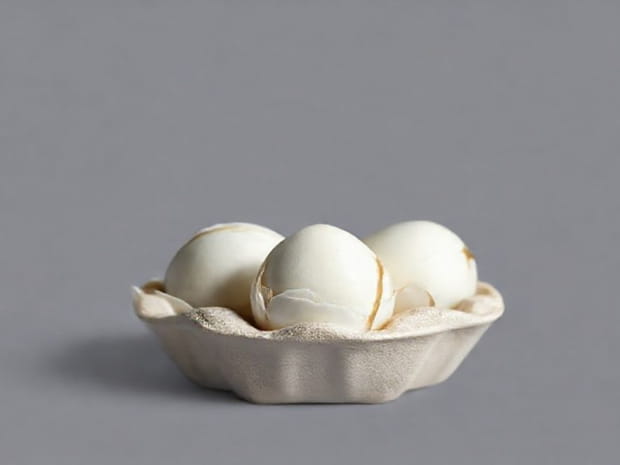
How To Store Peeled Quail Eggs
Peeled quail eggs are a delicate and nutritious food that requires careful handling and storage to maintain freshness and prevent spoilage. Unlike unpeeled eggs, peeled quail eggs are more vulnerable to bacteria, moisture loss, and off-flavors, which makes proper storage essential. Whether you plan to use them for salads, appetizers, or meal prep, understanding the best storage methods can help extend their shelf life while preserving taste and texture. By following simple but effective techniques, you can ensure that peeled quail eggs remain safe to eat and retain their nutritional quality for several days.
Why Proper Storage Matters
Peeled quail eggs are highly perishable due to the removal of their protective shell. The shell and its membrane naturally protect the egg from bacterial contamination and moisture loss. Once peeled, the eggs are exposed, making them more susceptible to microbial growth and drying out. Improper storage can lead to spoilage, unpleasant odors, or even foodborne illness. Therefore, taking steps to store peeled quail eggs safely is crucial for both taste and health.
Recommended Storage Temperature
Temperature plays a critical role in maintaining the quality of peeled quail eggs. They should always be stored in the refrigerator at a temperature between 0°C to 4°C (32°F to 39°F). Cold temperatures slow bacterial growth and help maintain the egg’s texture. Avoid storing peeled eggs at room temperature for extended periods, as this increases the risk of spoilage and can shorten their shelf life to just a few hours.
Methods for Storing Peeled Quail Eggs
There are several effective methods to store peeled quail eggs, each designed to maintain freshness and prevent contamination.
1. Using Water
One of the most common ways to store peeled quail eggs is by submerging them in water. Here’s how to do it
- Place the peeled eggs in a clean container.
- Add enough cold water to cover all the eggs completely.
- Seal the container with a lid or plastic wrap.
- Store in the refrigerator and change the water daily to maintain freshness.
This method helps prevent eggs from drying out and keeps them firm. Submerged eggs can usually last up to 3-4 days in the fridge.
2. Using Salted Water
For slightly longer storage, you can use a mild salt solution. Salted water helps inhibit bacterial growth while maintaining the egg’s texture. Follow these steps
- Dissolve about 1 teaspoon of salt per cup of water.
- Place peeled quail eggs in a container and pour the salted water over them.
- Cover and store in the refrigerator.
Salted water can extend the shelf life of peeled quail eggs to 4-5 days while keeping them firm and flavorful.
3. Using Vinegar or Pickling Solution
Pickling peeled quail eggs in vinegar or a seasoned brine is another effective storage method. This not only preserves the eggs but also adds flavor
- Prepare a pickling solution with vinegar, water, salt, and optional spices such as peppercorns or herbs.
- Submerge the peeled quail eggs in the solution in a clean jar or container.
- Seal tightly and store in the refrigerator.
Pickled quail eggs can last for several weeks when refrigerated and provide a tasty alternative for salads, snacks, or appetizers.
Containers and Hygiene
Using the right containers and maintaining hygiene are crucial for storing peeled quail eggs safely. Always use clean, airtight containers to prevent exposure to air and contamination. Avoid using containers that previously held strong-smelling foods, as eggs can absorb odors easily. Additionally, handle eggs with clean hands or utensils to minimize the introduction of bacteria.
Plastic vs. Glass Containers
Both plastic and glass containers can be used, but glass is preferable for pickled eggs or longer storage because it is non-reactive and does not retain odors. Plastic containers are convenient for short-term storage, but ensure they are food-grade and airtight.
Signs of Spoilage
Even with proper storage, it is important to monitor peeled quail eggs for signs of spoilage. Indicators include
- Unpleasant or sour odor.
- Slimy or sticky texture on the egg surface.
- Discoloration or dark spots on the egg white or yolk.
- Off taste when sampled cautiously.
If any of these signs are present, it is safest to discard the eggs immediately to prevent foodborne illness.
Best Practices for Using Stored Peeled Quail Eggs
To maximize both safety and enjoyment
- Use peeled eggs within 3-5 days if stored in plain or salted water.
- For pickled eggs, follow the recommended storage time on your recipe, usually up to 3-4 weeks.
- Keep eggs submerged in liquid to prevent drying and maintain texture.
- Always inspect eggs visually and smell them before consumption.
Additional Tips
Consider these tips for better storage and handling of peeled quail eggs
- Label containers with the date of peeling or pickling to track freshness.
- Store eggs away from strong-smelling foods to prevent flavor absorption.
- If transporting peeled eggs, keep them in a cooler with ice packs to maintain low temperature.
- For batch cooking or meal prep, peel eggs just before use to extend shelf life if long storage is not necessary.
Proper storage of peeled quail eggs is essential to preserve their delicate texture, flavor, and safety. By using cold storage, clean airtight containers, and suitable preservation methods such as water, salted water, or pickling solutions, you can extend the shelf life of these eggs while minimizing the risk of spoilage. Monitoring for signs of degradation and practicing good hygiene are equally important to ensure that the eggs remain safe for consumption. Whether you are preparing them for snacks, salads, or gourmet dishes, understanding how to store peeled quail eggs properly ensures a fresh and enjoyable experience every time.
By following these guidelines, peeled quail eggs can be stored effectively for several days to weeks, depending on the chosen method. With attention to temperature, moisture, and cleanliness, you can enjoy the nutritional benefits and culinary versatility of quail eggs without compromising safety or taste. Proper storage not only protects your investment in these specialty eggs but also enhances the overall quality of your meals.