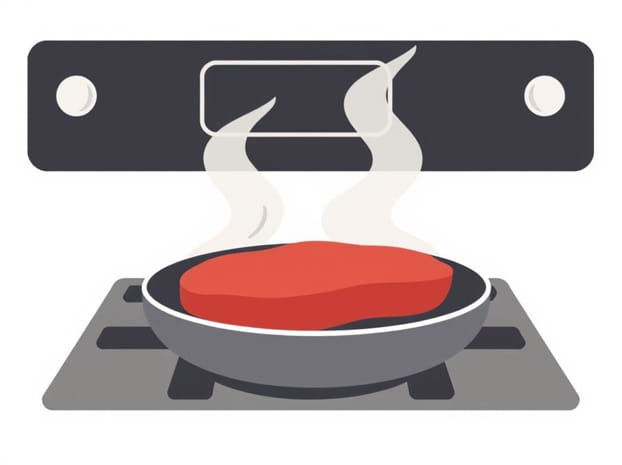
How To Cook Delmonico Steak On Stove
Cooking a Delmonico steak on the stove is an art that combines technique, patience, and attention to detail. Known for its rich marbling and tenderness, the Delmonico steak is a luxurious cut that can be perfectly prepared without the need for an oven or grill. By understanding the right cooking methods, seasoning, and timing, you can achieve a juicy, flavorful steak with a beautifully seared crust, all from the comfort of your stovetop. Proper preparation and attention to heat management are key to making the most of this premium cut of beef.
Understanding the Delmonico Steak
The Delmonico steak is often celebrated for its tenderness and rich flavor. It is typically cut from the ribeye, although definitions may vary slightly depending on the butcher or region. Its marbling the thin streaks of fat throughout the meat enhances the taste and ensures juiciness during cooking. Knowing the characteristics of the Delmonico steak helps you determine the best stove-top cooking method and achieve restaurant-quality results at home.
Choosing the Right Steak
Selecting a high-quality Delmonico steak is the first step to a perfect dish. Look for steaks that are
- About 1 to 1.5 inches thick for even cooking
- Bright red in color with visible marbling
- Firm to the touch but not hard
- Stored properly in a refrigerated environment
Allow the steak to come to room temperature before cooking. This helps in achieving even cooking from edge to center, reducing the risk of an undercooked interior.
Preparing the Steak for the Stove
Proper preparation ensures that the steak cooks evenly and develops a flavorful crust. This stage involves seasoning, selecting the right pan, and preparing cooking fats.
Seasoning
Keep the seasoning simple to let the natural flavor of the steak shine. Salt and freshly ground black pepper are classic choices. Generously season both sides of the steak, allowing the salt to penetrate the meat for about 30 to 45 minutes before cooking. You can also add garlic powder, rosemary, or thyme for additional aroma, but avoid overpowering the natural beef flavor.
Choosing the Right Pan
A heavy-bottomed skillet or cast iron pan is ideal for stove-top cooking. Cast iron retains heat effectively, ensuring a consistent sear across the surface of the steak. Ensure the pan is clean and dry before heating to prevent sticking or uneven browning.
Preparing Cooking Fats
Use a high smoke-point fat such as vegetable oil, canola oil, or clarified butter. These oils allow you to achieve a deep sear without burning. Adding a small amount of unsalted butter towards the end of cooking can enhance flavor and create a rich, aromatic finish.
Cooking the Delmonico Steak on Stove
Stove-top cooking allows precise control over heat and searing. The goal is to create a caramelized crust while keeping the interior tender and juicy. Follow these steps for best results.
Step 1 Preheat the Pan
Place your skillet on medium-high heat and allow it to become very hot. The pan should shimmer slightly, indicating it is ready for searing. Avoid adding the steak too soon, as this may prevent proper browning.
Step 2 Sear the Steak
Add a small amount of oil to the hot pan and place the steak gently. Do not overcrowd the pan, as this can cause the steak to steam instead of sear. Cook each side for 3 to 5 minutes depending on thickness and desired doneness. Avoid moving the steak frequently; let it develop a rich brown crust naturally.
Step 3 Check Doneness
Use a meat thermometer to ensure accurate internal temperature. Common temperature guidelines include
- Rare 125°F (52°C)
- Medium-rare 135°F (57°C)
- Medium 145°F (63°C)
- Medium-well 150°F (66°C)
- Well-done 160°F (71°C)
If a thermometer is not available, use the finger test by pressing the steak to gauge firmness. Less firm indicates rare, while more resistance indicates higher doneness.
Step 4 Add Aromatics and Butter
For enhanced flavor, add a tablespoon of butter along with garlic cloves and fresh herbs like rosemary or thyme during the last minute of cooking. Tilt the pan and spoon the melted butter over the steak repeatedly. This technique, known as basting, enriches the flavor and promotes an even, glossy finish.
Step 5 Rest the Steak
After cooking, transfer the steak to a cutting board and cover it loosely with foil. Resting for 5 to 10 minutes allows the juices to redistribute throughout the meat. Cutting too soon may result in a loss of flavor and moisture, reducing the tenderness of the steak.
Serving Suggestions
Delmonico steak pairs well with a variety of side dishes and sauces. Classic accompaniments include roasted vegetables, mashed potatoes, sautéed mushrooms, or a fresh salad. A simple compound butter or a red wine reduction can enhance the natural beef flavor. Presentation matters, so slicing the steak against the grain ensures tenderness and a visually appealing plate.
Tips for Perfect Stove-Top Delmonico Steak
- Ensure the steak is at room temperature before cooking
- Pat the steak dry with paper towels to improve searing
- Use a heavy skillet for even heat distribution
- Do not overcrowd the pan to avoid steaming
- Use a meat thermometer for precise doneness
- Rest the steak before slicing to retain juices
- Baste with butter and aromatics for added flavor
Common Mistakes to Avoid
To achieve a perfect Delmonico steak, avoid common pitfalls such as
- Cooking straight from the refrigerator, which can cause uneven doneness
- Using low heat initially, which may prevent proper crust formation
- Over-flipping the steak, which can disrupt the sear
- Skipping resting, resulting in dry meat
- Using too much oil, which can cause smoking or burning
Cooking a Delmonico steak on the stove is a rewarding culinary experience that allows you to enjoy a tender, flavorful steak without a grill or oven. By selecting a quality cut, seasoning it properly, preheating the pan, and following careful cooking techniques, you can achieve a perfectly seared exterior and juicy interior. Resting the steak, adding butter and aromatics, and pairing with complementary sides further elevate the dining experience. With practice and attention to detail, stove-top Delmonico steak can rival restaurant-quality preparations, offering a rich, satisfying meal that highlights one of the finest cuts of beef.
Mastering this technique not only enhances your cooking skills but also brings confidence to preparing high-quality meals at home. Following these steps ensures that every Delmonico steak you cook on the stove is flavorful, tender, and visually appealing, creating an impressive dining experience for yourself and your guests.