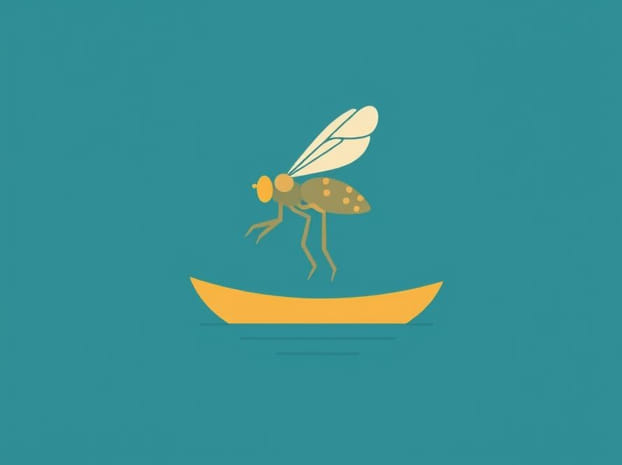
Do Water Boatman Fly
Water boatmen are fascinating aquatic insects that often capture the curiosity of nature enthusiasts and casual observers alike. These small, oval-shaped insects are typically found in ponds, lakes, and slow-moving streams, where they glide effortlessly beneath the water’s surface using their paddle-like hind legs. Many people wonder if these creatures, so adept at swimming, are also capable of flight. Understanding the flying behavior of water boatmen requires exploring their anatomy, life cycle, environmental habits, and the unique adaptations that allow them to survive both in water and occasionally in the air.
An Overview of Water Boatmen
Water boatmen belong to the family Corixidae, which encompasses hundreds of species worldwide. These insects are generally small, ranging from 2 to 15 millimeters in length, and they are easily recognized by their flattened, elongated bodies and oar-like hind legs. Unlike other aquatic insects that may be predators, many water boatmen are herbivores or detritivores, feeding on algae, dead plant matter, and microscopic organisms. Their aquatic lifestyle has led to specialized adaptations that help them thrive in water, including air-trapping hairs that allow them to store oxygen for diving and streamlined bodies that reduce water resistance.
Physical Adaptations
- Paddle-Like Hind LegsThese legs are highly effective for swimming and allow water boatmen to move backward and forward with ease.
- Hydrophobic HairsFine hairs on their body and legs trap air, assisting with buoyancy and prolonged submersion.
- Streamlined BodyTheir flattened shape reduces drag in the water, making them agile swimmers.
Do Water Boatmen Fly?
Yes, water boatmen can fly, though they are more commonly observed swimming. Their wings are hidden beneath hard wing covers and are generally used to disperse from one body of water to another, especially when their current habitat becomes overcrowded, polluted, or dries up seasonally. Flight is not their primary mode of travel, but it plays a critical role in their survival and reproduction. Flying allows them to colonize new aquatic environments, ensuring that populations remain robust and diverse.
Flight Patterns and Behavior
Water boatmen typically fly at night or during overcast conditions to reduce the risk of predation. Their flight is short and relatively low to the ground, usually covering distances only necessary to reach nearby ponds or lakes. During flight, they may be attracted to artificial lights, which can sometimes draw them into human habitats. Although not as strong or sustained as migratory insects, their ability to fly is sufficient for dispersal and establishing new colonies.
Life Cycle and Reproduction
The life cycle of water boatmen includes egg, nymph, and adult stages. Eggs are laid on submerged vegetation or directly in the sediment of ponds and streams. Nymphs, which resemble miniature adults, emerge from these eggs and undergo several molts before reaching maturity. Both nymphs and adults are adept swimmers, relying on their aquatic skills to evade predators and find food. Flight becomes particularly relevant for adults as they search for new habitats to lay eggs, ensuring that the next generation has access to suitable environmental conditions.
Reproduction and Dispersal
- Egg-Laying SitesFemales typically lay eggs on submerged plant surfaces to protect them from predators and currents.
- Habitat ExpansionAdults use flight to disperse to new water bodies, especially when local resources are depleted.
- Seasonal MovementFlight is more common during warmer months when water levels fluctuate or food becomes scarce.
Environmental Factors Affecting Flight
Several environmental conditions influence whether water boatmen choose to fly. Seasonal changes, temperature fluctuations, water quality, and population density all impact their dispersal behavior. During droughts or when ponds begin to dry, water boatmen are more likely to take to the air in search of suitable habitats. Similarly, overcrowded conditions can trigger flight to reduce competition for food and space. Understanding these factors is important for researchers studying aquatic insect populations and the health of freshwater ecosystems.
Role of Light and Weather
- Nocturnal ActivityMany species fly at night to avoid predators and reduce the risk of desiccation.
- TemperatureFlight is more frequent during warmer conditions when energy reserves and muscle activity are optimal.
- HumidityHigh humidity reduces the risk of drying out during flight, making insects more likely to disperse.
Ecological Importance of Water Boatmen
Water boatmen play a significant role in aquatic ecosystems, both as consumers and as prey for other animals. They help control algae growth and recycle nutrients by feeding on detritus. Their presence also supports fish, amphibians, and bird populations that rely on them as a food source. Flight allows water boatmen to connect isolated water bodies, promoting genetic diversity and ecosystem resilience. Without their ability to disperse, local populations could become vulnerable to environmental changes or localized extinction events.
Predator-Prey Relationships
- BirdsWater boatmen are eaten by ducks and other waterfowl, which rely on them for protein.
- FishMany freshwater fish feed on water boatmen, especially in shallow ponds and streams.
- InvertebratesLarger aquatic insects, such as dragonfly larvae, may prey on water boatmen nymphs.
Observing Water Boatmen in the Wild
For those interested in seeing water boatmen in action, the best places to observe them are calm ponds, lakes, and marshes. They are most visible near the water surface, where they feed or interact with other insects. Watching their swimming patterns, feeding behavior, and occasional flights provides insight into the intricate balance of freshwater ecosystems. By understanding both their aquatic and aerial behaviors, observers can gain a full appreciation for the adaptability and resilience of these small yet remarkable insects.
Tips for Observation
- Early Morning or Late AfternoonWater boatmen are often more active during these periods when light levels are lower.
- Use BinocularsFor closer observation of surface activity and flight behavior without disturbing them.
- Look Near VegetationAquatic plants provide food and shelter, increasing the likelihood of spotting water boatmen.
Water boatmen are extraordinary examples of aquatic insects capable of both swimming and flying. While they are primarily adapted for life in the water, their ability to fly allows them to disperse, colonize new habitats, and ensure species survival. Understanding their flight behavior, life cycle, and ecological importance reveals the complexity of freshwater ecosystems and highlights the interconnectedness of species within these environments. Whether you encounter them gliding beneath a pond’s surface or briefly taking to the air, water boatmen demonstrate the adaptability and resilience that make aquatic insects a fascinating subject for study and observation.