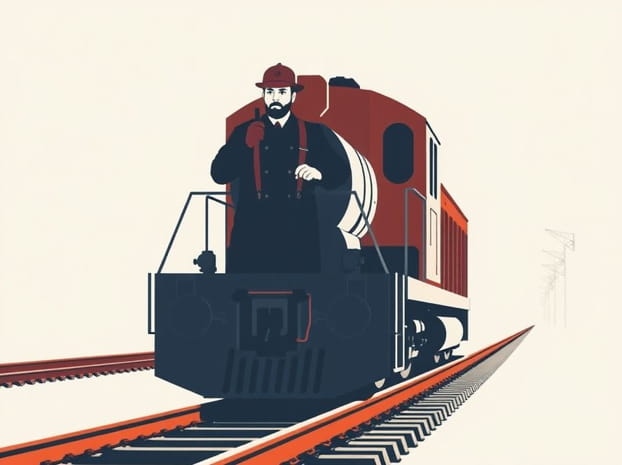
How Much Does A Railroad Brakeman Make
Railroad brakemen play a critical role in the safe and efficient operation of trains. Their responsibilities include assisting with the coupling and uncoupling of train cars, monitoring train movements, and supporting conductors and engineers during daily operations. The work is physically demanding, often requiring long hours, irregular schedules, and attention to safety procedures. For many considering a career in the railroad industry, one of the most important questions is how much a railroad brakeman makes. Understanding the factors that influence pay, the average salary, and potential career growth is essential for anyone interested in this profession.
Average Salary of a Railroad Brakeman
The average salary of a railroad brakeman varies depending on experience, location, employer, and union agreements. In the United States, entry-level brakemen typically earn around $40,000 to $50,000 per year. With experience and seniority, salaries can rise to between $60,000 and $70,000 annually. Some specialized or long-tenured brakemen may earn even higher pay, especially when overtime, bonuses, and hazardous duty pay are considered. Salary levels can differ significantly between regions due to cost of living and demand for rail services.
Factors Influencing Brakeman Pay
Several key factors affect how much a railroad brakeman makes
- Experience Brakemen with several years of service typically earn higher wages than those just starting.
- Union Membership Many brakemen are part of labor unions that negotiate pay scales, benefits, and working conditions, often resulting in higher wages.
- Location Salaries vary across states and regions, with higher pay often offered in areas with higher living costs or increased rail traffic.
- Overtime and Shifts Brakemen frequently work irregular hours, including nights, weekends, and holidays. Overtime pay can significantly increase total earnings.
- Employer Large rail companies may offer higher salaries, bonuses, and comprehensive benefits compared to smaller regional lines.
Entry-Level Brakeman Pay
New railroad brakemen typically start on the lower end of the pay scale, earning around $18 to $25 per hour. Entry-level employees undergo training, which can include safety instruction, operating procedures, and hands-on experience in the field. While the initial pay may seem modest compared to experienced colleagues, it often comes with benefits such as health insurance, retirement contributions, and paid leave. Entry-level positions provide valuable experience and a path toward higher-paying roles within the rail industry.
Experienced Brakemen and Career Growth
Experienced brakemen who have demonstrated reliability, technical skill, and knowledge of rail operations can command higher salaries. With several years of service, hourly wages can increase to $30 to $40 or more, depending on overtime and union agreements. Career growth opportunities include promotion to conductor, yardmaster, or other supervisory roles, which come with higher pay and additional responsibilities. Specialized training, such as hazardous materials handling or signal operation, can also lead to increased compensation and career advancement.
Union Influence on Pay and Benefits
Union membership plays a significant role in determining a railroad brakeman’s pay. Labor unions negotiate collective bargaining agreements that set standardized pay scales, overtime rates, and benefits. Unionized brakemen often enjoy advantages such as job security, health insurance, retirement plans, and paid time off. The presence of a union can ensure fair treatment and wage increases based on experience and tenure, which may not be as readily available in non-unionized positions.
Overtime, Shifts, and Additional Compensation
Railroad brakemen frequently work long hours, irregular schedules, and overnight shifts, which can affect total compensation. Overtime pay, holiday pay, and hazardous duty pay provide additional income opportunities. Brakemen may also receive per diem allowances for travel and lodging when assigned to work away from their home base. These additional forms of compensation can significantly enhance overall earnings and make a career as a brakeman financially attractive despite the demanding work conditions.
Regional Pay Differences
Location plays a significant role in a railroad brakeman’s pay. Large metropolitan areas or regions with high rail traffic may offer higher salaries to attract qualified personnel. Conversely, smaller towns or rural areas may offer lower wages but often provide more consistent schedules and reduced commuting challenges. Understanding regional differences is important for those considering relocation or comparing job offers. Factors such as cost of living, local demand, and company size influence how much a brakeman can expect to earn in a specific area.
Job Demands and Skills Required
Being a railroad brakeman requires a combination of physical endurance, attention to detail, and technical knowledge. Brakemen must safely handle heavy equipment, inspect train cars, and assist with train assembly and disassembly. Strong communication skills are essential for coordinating with engineers, conductors, and other rail staff. Safety awareness is critical due to the potential hazards associated with moving trains, heavy machinery, and variable weather conditions. Brakemen with these skills are more likely to achieve higher pay and career advancement opportunities.
Benefits Beyond Salary
In addition to hourly wages or annual salaries, railroad brakemen often receive significant benefits. Health insurance, retirement contributions, paid vacations, and life insurance are common. Union-negotiated benefits can include additional retirement contributions, disability coverage, and access to training programs. Comprehensive benefits packages enhance the overall compensation for brakemen and provide security for both themselves and their families.
Tips for Maximizing Earnings
- Pursue additional training and certifications to increase skill level and earning potential.
- Consider joining a union to benefit from negotiated pay scales and additional benefits.
- Take advantage of overtime and shift differentials to boost total income.
- Seek positions with larger rail companies that offer competitive pay and career growth opportunities.
- Maintain a strong safety record and reliability to increase chances of promotion and raises.
Railroad brakemen earn a competitive salary that reflects the physically demanding and essential nature of their work. Entry-level brakemen typically earn around $40,000 to $50,000 per year, with experienced or specialized employees making $60,000 to $70,000 or more, depending on overtime, union agreements, and regional factors. Union membership, location, experience, and skills all play a role in determining pay. Beyond salary, brakemen benefit from health insurance, retirement plans, and paid leave, making the profession both financially and personally rewarding. Understanding pay structures, benefits, and career growth opportunities helps aspiring brakemen make informed decisions and maximize their earnings in this challenging and vital profession.