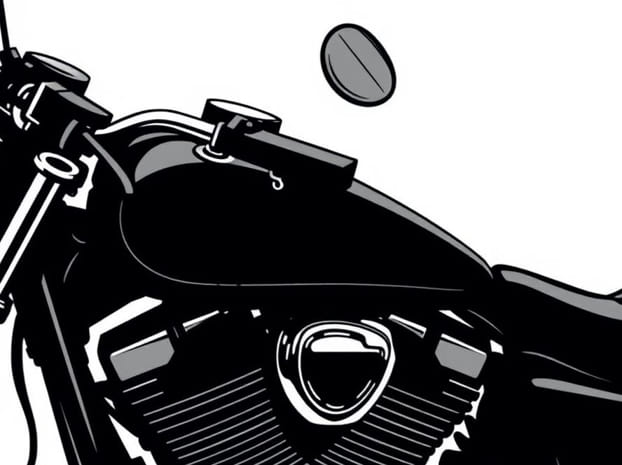
Harley Davidson Fuel Petcock Positions
For Harley-Davidson riders, understanding the fuel petcock positions is more than just a detail of motorcycle mechanics it’s an essential part of keeping the bike running smoothly. The fuel petcock is the valve that controls the flow of gasoline from the tank to the carburetor, and knowing how to operate it can make the difference between a carefree ride and being stranded on the side of the road. While modern motorcycles often use electronic fuel injection systems that eliminate this feature, many classic Harley-Davidson models rely on manual fuel petcocks. Riders who own or restore these bikes must know exactly how each position works and when to use it.
What Is a Fuel Petcock?
The fuel petcock, sometimes referred to as a fuel valve or fuel tap, is a small but vital component located at the bottom of the fuel tank. On Harley-Davidson motorcycles with carburetors, the petcock acts as a gatekeeper, regulating whether fuel flows toward the carburetor or stays inside the tank. By manually rotating the lever on the petcock, the rider can choose from different positions that each serve a unique function.
The Standard Fuel Petcock Positions
Most Harley-Davidson motorcycles equipped with a manual petcock have three standard positions ON, RESERVE, and OFF. Some bikes may also include a PRI (prime) position, though this is less common on Harley models compared to other brands. Let’s look more closely at each setting and its purpose.
ON Position
The ON position is the default setting for normal riding conditions. When the petcock lever is set to ON, fuel flows from the main fuel line of the tank into the carburetor. However, this position only allows access to fuel above a certain level, leaving a portion of gasoline in the tank unused until the RESERVE setting is engaged. Riders should always begin their journey with the petcock in the ON position so they can rely on the RESERVE later if needed.
RESERVE Position
The RESERVE position is essentially a backup system. When the bike starts to sputter or stall while riding, it may indicate that the main fuel supply in the ON position has been depleted. Switching to RESERVE allows the remaining fuel at the bottom of the tank to flow to the carburetor. This position gives the rider extra miles to reach a fuel station, but it is not intended for continuous use. Experienced Harley riders know to refuel as soon as they switch to RESERVE.
OFF Position
The OFF position stops fuel from flowing entirely. This is crucial when storing the motorcycle, performing maintenance, or transporting the bike. Leaving the petcock in the ON or RESERVE position when the bike is parked can cause fuel to seep into the carburetor or even flood the engine. Riders are advised to always turn the petcock to OFF when shutting down the motorcycle for extended periods.
PRI or Prime Position
While not standard on most Harley-Davidsons, some aftermarket petcocks or modified bikes may feature a PRI position. This setting allows fuel to flow freely to the carburetor regardless of vacuum pressure. It is often used to fill the carburetor bowl after it has been emptied, such as after running out of gas or servicing the fuel system. However, continuous use of the PRI position can cause flooding and should be avoided except for starting purposes.
How to Operate the Fuel Petcock
Operating the fuel petcock is a simple but deliberate action. Riders should be familiar with how to switch between positions quickly, especially while riding if the bike begins to sputter from low fuel. The petcock lever usually points to the position it is set on, making it easy to determine whether it is ON, RESERVE, or OFF. Here are basic steps for using it
- Start your ride with the petcock in the ON position.
- If the bike stalls or hesitates while riding, safely switch to RESERVE while moving.
- As soon as you switch to RESERVE, plan to refuel as soon as possible.
- After reaching your destination, switch the lever to OFF to prevent leaks.
Why Fuel Petcock Knowledge Matters
Many new riders underestimate the importance of knowing their fuel petcock positions until they experience running out of gas. Since the RESERVE position is a lifeline, not understanding how to use it can result in being stranded far from help. Additionally, not turning the petcock OFF during storage may lead to fuel leaks, varnish buildup, or even engine flooding. On older Harley-Davidsons, this knowledge is not optional it’s essential.
Maintenance Tips for Harley-Davidson Fuel Petcocks
Like any mechanical part, the petcock requires occasional inspection and care. Neglect can lead to sticky valves, leaks, or reduced fuel flow. Here are a few maintenance practices riders should keep in mind
- Check for leaksInspect the petcock regularly for signs of fuel seepage.
- Test valve movementThe lever should move smoothly between positions without excessive resistance.
- Clean fuel screensMany petcocks include small fuel screens that trap debris; these should be cleaned or replaced if clogged.
- Replace when necessaryIf the petcock is old, corroded, or failing to shut off properly, replacement is safer than repair.
Differences Between Manual and Vacuum Petcocks
Some Harley-Davidson models may feature vacuum-operated petcocks rather than manual ones. A vacuum petcock uses engine suction to open and close fuel flow automatically, which eliminates the need to switch it manually to OFF when parked. However, many riders prefer manual petcocks for their simplicity and reliability, as vacuum-operated versions can fail due to worn diaphragms or vacuum leaks.
Common Issues with Fuel Petcocks
Riders may encounter problems with their Harley fuel petcock, particularly on older bikes. Common issues include
- Fuel leaks from worn seals or gaskets.
- Petcock stuck in one position due to corrosion.
- Difficulty accessing RESERVE if the internal fuel straw is clogged.
- Vacuum-operated petcocks failing to deliver fuel properly.
When these issues occur, replacing the petcock with a high-quality aftermarket or OEM part is often the best solution. Many riders also choose to convert from vacuum to manual petcocks for greater control.
Rider Tips for Using Harley Fuel Petcock Positions
For Harley-Davidson enthusiasts, using the fuel petcock properly becomes second nature with experience. Here are a few rider-tested tips
- Always start a long ride with the petcock on ON, not RESERVE.
- Practice reaching down to switch to RESERVE without taking your eyes off the road.
- Keep track of how many miles you typically get before hitting RESERVE, so you can anticipate refueling.
- During winter storage, turn the petcock OFF and run the carburetor dry to prevent gumming.
The Harley-Davidson fuel petcock may seem like a small part of the motorcycle, but it plays a huge role in both safety and reliability. Understanding the ON, RESERVE, and OFF positions and how to use them correctly ensures that riders can manage their fuel supply effectively. For those who ride classic Harley models with carburetors, this knowledge is as important as knowing how to shift gears or check oil levels. By respecting the function of the fuel petcock and maintaining it properly, riders can enjoy smoother rides and avoid the stress of unexpected breakdowns on the open road.