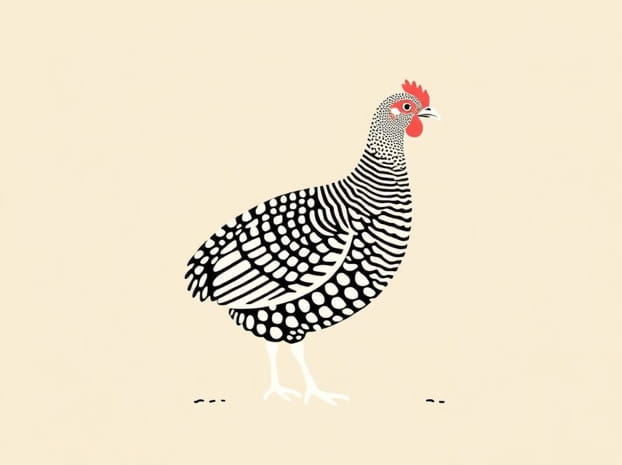
Guinea Fowl Incubation Period
Guinea fowl are remarkable birds known for their resilience, distinctive appearance, and valuable role in pest control and meat production. One of the most critical aspects of raising guinea fowl successfully is understanding their incubation period, which directly impacts hatch rates, chick health, and overall flock management. Incubation requires careful attention to temperature, humidity, turning of eggs, and timing to ensure that embryos develop properly and hatch successfully. For both small-scale backyard breeders and commercial farmers, mastering the intricacies of guinea fowl incubation can lead to healthier birds, improved survival rates, and a more productive flock. Knowledge of the incubation period is essential for planning breeding schedules, managing hatching equipment, and providing optimal care for chicks immediately after they hatch.
Understanding the Incubation Period
The incubation period for guinea fowl typically ranges from 26 to 28 days, slightly longer than that of domestic chickens. During this period, fertilized eggs must be kept under precise conditions to allow proper embryo development. Incubation can be performed naturally, by a broody hen, or artificially using an incubator. Regardless of the method, maintaining consistent warmth, proper humidity, and regular egg turning is critical. Deviations in these conditions can lead to incomplete development, deformities, or reduced hatch rates, making a solid understanding of the incubation timeline essential for successful breeding.
Key Points About Guinea Fowl Incubation
- Typical incubation period is 26-28 days.
- Can be done naturally or artificially using an incubator.
- Consistent temperature and humidity are vital for embryo health.
- Eggs should be turned regularly to prevent adhesion of the embryo to the shell.
- Monitoring the eggs throughout the period improves hatch success.
Natural Incubation by Broody Hens
Natural incubation involves a broody hen sitting on the eggs to provide warmth and humidity. Guinea fowl hens often exhibit strong brooding instincts, which can make natural incubation effective if managed properly. A broody hen will generally sit on a clutch of eggs for the full 26 to 28 days, leaving only briefly for food and water. Farmers may need to provide additional protection against predators and ensure the nesting area is safe and comfortable. Natural incubation offers the advantage of constant natural turning by the hen and gradual exposure to environmental factors, which can enhance chick robustness once hatched.
Tips for Successful Natural Incubation
- Choose a quiet, safe, and clean nesting area.
- Provide easy access to food and water nearby to reduce hen stress.
- Monitor the hen’s health and behavior throughout the incubation period.
- Minimize disturbances to ensure consistent brooding.
- Remove unhatched or infertile eggs after hatching to prevent contamination.
Artificial Incubation with an Incubator
Artificial incubation allows breeders to control the environment more precisely, often leading to higher hatch rates. Modern incubators are designed to maintain consistent temperature, humidity, and egg turning schedules automatically. For guinea fowl eggs, the temperature should generally be maintained around 37.5°C (99.5°F) with a relative humidity of 55-60% for the first 25 days. During the final day or two before hatching, humidity should be increased to around 65-70% to prevent chicks from sticking to the shell. Egg turning is crucial during the early stages of incubation to ensure proper embryo development and prevent adhesion to the shell membrane.
Best Practices for Artificial Incubation
- Maintain consistent temperature and avoid fluctuations.
- Monitor humidity levels and adjust as hatching approaches.
- Turn eggs several times daily during the first 25 days, if not automated.
- Check incubator ventilation to ensure proper airflow.
- Observe eggs for signs of development, such as candling to monitor embryos.
Factors Affecting the Incubation Period
Several factors can influence the exact length and success of the guinea fowl incubation period. Temperature fluctuations, improper humidity, and poor egg handling can all negatively impact embryo development. Additionally, the age and health of the eggs, as well as the fertility rate of the breeding stock, play significant roles. Cooler temperatures may extend the incubation period slightly, while excessive heat can be fatal to embryos. Understanding these variables allows breeders to make informed adjustments to improve hatch rates and chick viability.
Key Factors to Monitor
- Temperature consistency and accuracy.
- Humidity control throughout the incubation period.
- Egg handling and turning practices.
- Egg fertility and quality.
- Health and condition of broody hens or incubator performance.
Hatching and Post-Hatch Care
As the incubation period concludes, guinea fowl chicks begin to pip, or break through the eggshell, which can take several hours. This process requires patience, as premature interference can harm the chicks. Once hatched, chicks need warmth, hydration, and immediate access to food suitable for young birds. Maintaining a brooder temperature of around 35°C (95°F) for the first week helps ensure their survival and growth. Cleanliness and protection from drafts are also critical during this sensitive stage. Proper post-hatch care directly impacts chick health, development, and long-term productivity.
Post-Hatch Essentials
- Provide a warm brooder with controlled temperature and humidity.
- Ensure clean water and chick starter feed are readily available.
- Monitor chicks for signs of weakness or health issues.
- Maintain a clean, dry, and draft-free environment.
- Gradually reduce brooder temperature as chicks grow stronger.
Planning Breeding and Hatch Schedules
Understanding the incubation period is essential for scheduling breeding and hatching to optimize flock productivity. By tracking the 26-28 day period accurately, breeders can stagger hatches, maintain a steady supply of chicks, and avoid overcrowding in brooders. Knowledge of incubation timelines also aids in coordinating with feed availability, space requirements, and overall farm management. Proper planning ensures that guinea fowl populations remain healthy, well-fed, and productive throughout the breeding season.
Planning Tips
- Track laying dates to predict hatching accurately.
- Stagger hatches to manage brooder space and chick care.
- Coordinate feed and water resources with anticipated hatch times.
- Maintain detailed records of fertility, hatch rates, and chick survival.
- Prepare for peak hatching periods to ensure adequate staffing and resources.
The guinea fowl incubation period, typically 26 to 28 days, is a critical phase in raising healthy and productive birds. Whether using natural or artificial incubation methods, careful attention to temperature, humidity, egg turning, and post-hatch care is essential. Understanding the factors that influence incubation, from egg quality to environmental conditions, allows breeders to maximize hatch rates and ensure the well-being of chicks. Proper planning, monitoring, and management of the incubation period not only result in successful hatches but also support long-term flock productivity, making guinea fowl a sustainable and valuable addition to farms and backyard flocks.