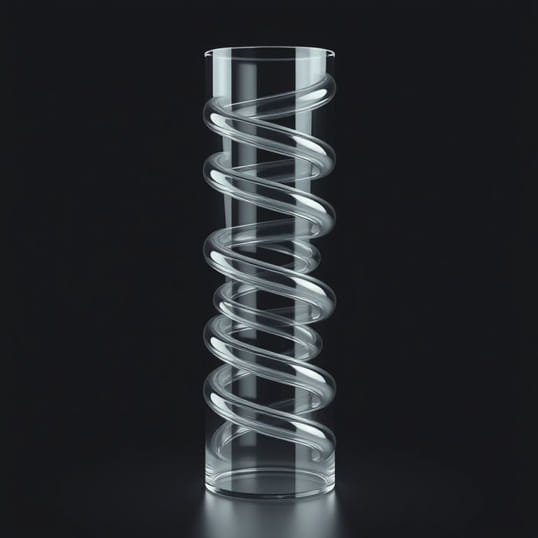
Glass Helices Packed Column
Glass helices packed columns are an essential component in chemical engineering and laboratory processes, widely used for distillation, absorption, and separation tasks. These columns utilize a unique arrangement of helical glass packing that provides a large surface area for contact between vapor and liquid phases. This design enhances mass transfer efficiency and allows for precise separation of chemical components. Understanding the structure, function, and applications of glass helices packed columns is crucial for chemists, engineers, and researchers aiming to optimize separation processes in both industrial and laboratory settings.
Structure of Glass Helices Packed Columns
Glass helices packed columns are cylindrical tubes filled with helical-shaped glass packing material. The helices are carefully manufactured to provide consistent geometry, promoting uniform flow distribution and minimizing channeling or dead zones. The transparent nature of glass allows operators to visually monitor the process and detect any irregularities in the flow or packing arrangement. These columns are often available in various diameters and lengths, depending on the intended application and required separation efficiency.
Design Features
- Helical GeometryThe spiral shape of the glass helices increases the contact area between vapor and liquid, improving mass transfer and overall column efficiency.
- Uniform PackingThe packing is designed to minimize voids and prevent channeling, ensuring even distribution of fluids throughout the column.
- TransparencyGlass construction allows visual inspection, making it easier to maintain and troubleshoot the column during operation.
- Corrosion ResistanceGlass is chemically inert, making these columns suitable for handling corrosive chemicals and aggressive solvents.
Principle of Operation
Glass helices packed columns operate based on the principles of mass transfer and phase equilibrium. When a liquid mixture is introduced into the column, it flows over the helices while a vapor phase moves upward. The large surface area and turbulence created by the helical packing facilitate intimate contact between the two phases. Components in the mixture are separated according to their volatility or solubility differences, resulting in efficient distillation, absorption, or extraction.
Mass Transfer Mechanism
- Vapor-Liquid ContactThe helical packing allows vapor to continuously rise and interact with the descending liquid, enhancing mass transfer.
- Equilibrium StagesEach helical turn acts as a theoretical plate, providing multiple equilibrium stages for improved separation.
- Minimized Pressure DropThe open structure of the helices ensures low resistance to flow, reducing energy consumption and preventing flooding in the column.
Applications of Glass Helices Packed Columns
Glass helices packed columns are widely used in laboratory and industrial applications where high efficiency and chemical compatibility are critical. Their versatility allows them to handle a broad range of chemical processes, making them a preferred choice in research, chemical manufacturing, and educational laboratories.
Distillation Processes
- Separation of liquid mixtures based on differences in boiling points.
- Purification of solvents, essential oils, and laboratory reagents.
- Fractional distillation in research laboratories for small-scale separation tasks.
Absorption and Gas Scrubbing
- Removal of specific gases from a vapor stream using a liquid absorbent.
- Used in chemical plants to scrub acidic or toxic gases from industrial emissions.
- Enhances contact efficiency due to the high surface area provided by helical packing.
Extraction and Chemical Reactions
- Supports liquid-liquid extraction by promoting efficient mass transfer between immiscible phases.
- Facilitates reactions that require continuous contact between gases and liquids.
- Used in synthesis processes where precise separation of reaction products is necessary.
Advantages of Glass Helices Packed Columns
Glass helices packed columns offer several advantages over traditional packed or tray columns, making them an attractive option for laboratories and specialized industrial processes.
- High Separation EfficiencyThe helical design increases the number of theoretical plates, improving the resolution of separation.
- Chemical CompatibilityGlass is resistant to corrosion, acids, bases, and many solvents, allowing for a wider range of chemical applications.
- Low MaintenanceThe smooth surface of glass reduces fouling and allows for easy cleaning, extending the column’s operational lifespan.
- Visual MonitoringTransparency enables operators to observe flow patterns, detect flooding or channeling, and optimize performance in real time.
Operational Considerations
Proper operation of glass helices packed columns is essential for achieving optimal performance and prolonging the life of the equipment. Several factors must be considered, including flow rates, temperature control, and packing arrangement.
Flow Rates
- Maintain appropriate liquid and vapor flow rates to prevent flooding or dry spots.
- Adjust the inlet and outlet rates based on the desired separation efficiency and chemical properties of the mixture.
Temperature and Pressure Control
- Monitor temperature gradients along the column to ensure proper phase equilibrium.
- Avoid excessive pressure that could damage the glass structure or affect separation quality.
Packing Maintenance
- Ensure helices are properly installed without gaps or misalignment.
- Clean packing regularly to prevent deposition of solids or fouling.
- Inspect for cracks or damage to prevent contamination or operational hazards.
Limitations
While glass helices packed columns offer numerous advantages, they also have certain limitations. Their fragile nature makes them susceptible to breakage, requiring careful handling and installation. They are generally suitable for small to medium-scale laboratory and pilot plant operations rather than large industrial processes. Additionally, extreme temperatures or mechanical stresses can compromise the integrity of the glass, necessitating strict adherence to operational guidelines.
Glass helices packed columns are a highly effective tool for separation, distillation, absorption, and extraction processes in laboratory and industrial settings. Their unique helical design provides increased surface area and enhanced mass transfer efficiency, while the chemical resistance and transparency of glass make them suitable for a wide range of applications. Proper operation, flow control, and maintenance are essential for maximizing their performance and lifespan. Despite limitations such as fragility and scale constraints, these columns remain an indispensable part of modern chemical processing and research, offering precise and reliable separation capabilities that support scientific innovation and industrial productivity.