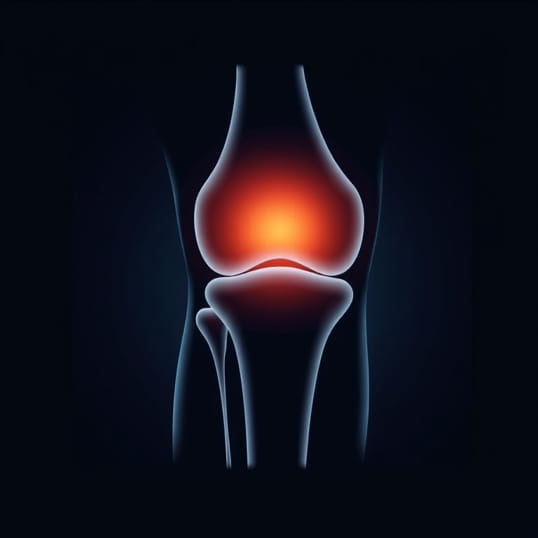
Function Of Menisci In Knee
The menisci are two crescent-shaped pieces of cartilage located in each knee joint, playing a crucial role in maintaining stability, cushioning, and overall function of the knee. These fibrocartilaginous structures sit between the femur (thigh bone) and tibia (shin bone), acting as shock absorbers while distributing weight evenly across the joint. The importance of the menisci extends beyond simple cushioning; they contribute to joint stability, load transmission, proprioception, and the prevention of degenerative changes in the knee over time. Understanding their function is essential for recognizing the implications of meniscal injuries and the significance of proper knee care.
Anatomy of the Menisci
Each knee contains two menisci the medial meniscus and the lateral meniscus. The medial meniscus is C-shaped and located on the inner side of the knee, while the lateral meniscus is more circular and situated on the outer side. These structures are composed of fibrocartilage, which is more flexible than bone yet resilient enough to withstand repetitive stress. The menisci are attached to the tibial plateau via ligaments and connect to surrounding joint structures, providing both mobility and stability. Their unique shape allows them to conform to the contours of the femoral condyles during knee movement.
Shock Absorption and Load Distribution
One of the primary functions of the menisci is shock absorption. During activities such as walking, running, or jumping, the knee experiences significant forces. The menisci act as cushions, absorbing and dissipating these forces to protect the articular cartilage and underlying bone. By distributing the load more evenly across the knee joint, the menisci prevent excessive pressure on any single point, reducing the risk of cartilage degeneration and osteoarthritis. Studies show that removing or damaging the meniscus significantly increases stress on the knee, leading to faster wear and tear.
Joint Stability and Movement
Beyond cushioning, menisci contribute to the stability of the knee joint. They help maintain proper alignment between the femur and tibia, preventing unwanted movements that could result in ligament injuries. The menisci are particularly important in rotational stability, helping the knee adapt to twisting motions while maintaining joint congruence. This is crucial for athletes and individuals engaged in activities requiring sudden changes in direction, where the menisci work in conjunction with ligaments such as the anterior cruciate ligament (ACL) and posterior cruciate ligament (PCL) to prevent instability.
Enhancing Joint Lubrication
Menisci also play a role in the distribution of synovial fluid within the knee joint. Synovial fluid lubricates the articular surfaces, reducing friction and facilitating smooth movement. By helping spread this fluid evenly across the joint, the menisci ensure that the cartilage remains nourished and healthy. Proper lubrication is vital for preventing cartilage wear and maintaining long-term knee function, particularly during high-impact activities.
Proprioception and Neuromuscular Function
Another essential function of the menisci is their contribution to proprioception, the body’s ability to sense joint position and movement. The menisci contain nerve endings that provide feedback to the brain about knee position, movement, and load distribution. This information allows the neuromuscular system to coordinate muscle activity around the knee, enhancing balance, stability, and reflexive protection against injury. Damage to the menisci can impair proprioception, increasing the risk of further injury and reducing overall knee performance.
Prevention of Degenerative Changes
By absorbing shock, distributing loads, and facilitating proper joint mechanics, the menisci help prevent degenerative changes such as osteoarthritis. Meniscal injury or removal significantly increases contact stress on articular cartilage, accelerating wear and contributing to joint degeneration. Preserving meniscal integrity through conservative management, repair, or surgical intervention when necessary is critical for maintaining long-term knee health. Research consistently highlights the protective role of menisci in delaying the onset of osteoarthritis, emphasizing their importance in orthopedic and sports medicine.
Meniscal Injuries and Their Impact
Meniscal injuries are common, particularly among athletes, but can also occur due to aging or degenerative processes. Tears can result from twisting motions, sudden stops, or direct impact, often accompanied by pain, swelling, and reduced mobility. A torn meniscus impairs shock absorption, alters load distribution, and compromises joint stability, increasing the risk of cartilage damage and osteoarthritis. Treatment options vary depending on the severity and location of the tear, ranging from rest and physical therapy to surgical repair or partial meniscectomy. Preserving as much meniscal tissue as possible is key to maintaining its functions.
Role in Rehabilitation and Recovery
After a meniscal injury, rehabilitation focuses on restoring knee stability, strength, and range of motion. Physical therapy aims to strengthen surrounding muscles, improve proprioception, and ensure proper load distribution during activities. By enhancing neuromuscular control and joint function, rehabilitation supports the menisci’s role in shock absorption and stability. Recovery also emphasizes gradual return to activities, allowing the knee to adapt and preventing re-injury.
The menisci in the knee serve multiple critical functions, including shock absorption, load distribution, joint stability, proprioception, lubrication, and protection against degenerative changes. Their unique anatomy allows them to support complex knee movements while minimizing stress on articular cartilage. Injuries to the menisci can significantly impair these functions, leading to pain, instability, and increased risk of osteoarthritis. Understanding the function of menisci highlights their importance in maintaining knee health, guiding effective treatment strategies, and supporting rehabilitation efforts. Preserving the integrity of the menisci is essential for long-term joint function, athletic performance, and overall mobility, demonstrating their indispensable role in the musculoskeletal system.