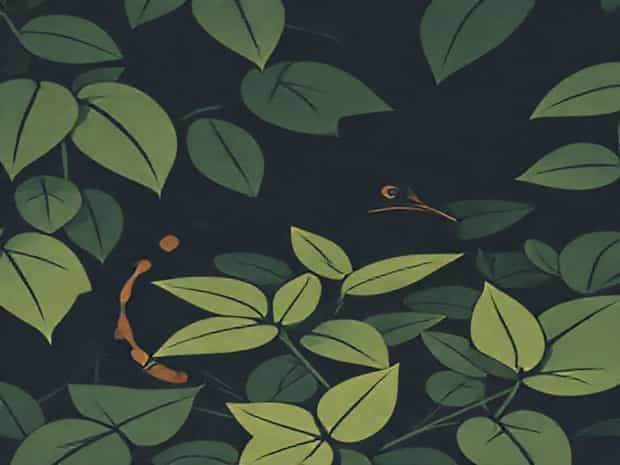
Find The Copperhead In The Leaves
Walking through the woods on a crisp autumn day can be peaceful, but it also requires awareness. One of the most common challenges hikers face is trying to find the copperhead in the leaves. This snake is a master of camouflage, blending seamlessly with fallen foliage, dried grass, and forest debris. Because its survival depends on remaining hidden, spotting a copperhead takes careful observation and an understanding of its natural patterns. Learning how to identify these snakes in their environment not only increases safety but also deepens appreciation for how wildlife adapts to its surroundings. With patience, anyone can improve their ability to notice this elusive reptile among the leaves.
Understanding the Copperhead Snake
The copperhead is a venomous snake found across many parts of North America. It belongs to the pit viper family, which also includes rattlesnakes and cottonmouths. While its venom is rarely fatal to humans, a bite can still be painful and requires medical attention. The copperhead is particularly known for its excellent camouflage. Its body patterns and coloration allow it to disappear almost completely against a backdrop of dead leaves, making it one of the most difficult snakes to detect outdoors.
Why Copperheads Blend with Leaves
To find the copperhead in the leaves, it helps to first understand why this camouflage exists. Their natural habitat often includes forest floors, rocky areas, and places with abundant ground cover. The leaves provide both protection from predators and opportunities to ambush prey such as mice, birds, frogs, and insects. By hiding in plain sight, the copperhead conserves energy and maximizes its hunting efficiency. Evolution has equipped it with patterns that mimic the texture and coloration of autumn foliage.
Physical Characteristics that Aid Camouflage
When you want to spot a copperhead among leaves, it’s important to recognize its physical features. These snakes usually have
- Hourglass-shaped bandsalong their bodies that resemble scattered shadows or leaf stems.
- Copper-colored headsthat match the earthy tones of dry leaves.
- Tan or reddish-brown bodiesthat blend with the forest floor.
- Roughly keeled scalesthat create a matte finish, reducing light reflection.
These traits make it almost impossible to spot a copperhead at first glance unless you know what to look for. Many hikers walk past one without realizing it.
Where to Look for Copperheads in the Leaves
Finding the copperhead in the leaves is not just about scanning the ground randomly. These snakes prefer certain environments, and knowing where to look can make spotting them easier. Some common places include
- Leaf piles near fallen logs or rocks, where snakes can stay hidden and warm.
- Edges of hiking trails, where copperheads may bask in filtered sunlight.
- Near water sources, such as creeks or ponds, where prey is abundant.
- At the base of trees, where leaves collect and create natural hiding spots.
By focusing your attention on these areas, you increase your chances of spotting one before accidentally stepping too close.
Signs of a Hidden Copperhead
Because their camouflage is so effective, you may not always see the entire snake. Instead, you may notice small details that give away their position. These can include
- A subtle curve that does not match the natural flow of leaves.
- A triangular head shape peeking from under debris.
- Unusual color consistency, like a coppery tone among duller brown leaves.
- A stillness that seems too rigid to be vegetation.
Training your eyes to pick out these small differences can make it easier to find the copperhead in the leaves.
Safety Tips When Searching for Copperheads
Curiosity should never come at the cost of safety. While many people want to challenge themselves to find copperheads in the wild, remember that they are venomous snakes. If you are outdoors, follow these safety tips
- Keep a safe distance if you spot one; never try to touch or provoke it.
- Wear sturdy boots and long pants when hiking in areas where copperheads live.
- Use a flashlight at night, since copperheads are more active in cooler evening hours.
- Stay on trails and avoid stepping into thick piles of leaves where snakes may hide.
Respecting their space is the best way to enjoy observing these snakes without risk.
The Challenge of Finding Copperheads
Many wildlife enthusiasts treat the task of finding the copperhead in the leaves as a form of nature-based puzzle. It requires patience, keen observation, and practice. For beginners, it may take several minutes of staring at the ground before realizing a snake has been there the entire time. The sense of accomplishment in finally spotting one is rewarding, as it sharpens awareness and teaches how nature hides in plain sight.
Educational and Conservation Importance
Learning how to spot copperheads is not only a fun challenge but also an educational experience. It encourages people to slow down and pay closer attention to the natural world. Understanding camouflage helps people appreciate biodiversity and survival strategies in wildlife. From a conservation standpoint, copperheads play an important role in controlling rodent populations. Rather than fearing them, recognizing their place in the ecosystem helps foster respect for their role in maintaining balance.
Photographic Practice Capturing Copperheads
Wildlife photographers often take on the challenge of photographing copperheads camouflaged in the leaves. Doing so requires patience, long lenses for safety, and careful observation of light and shadows. Photos that capture how perfectly these snakes blend into their environment serve as educational tools, showing people the importance of paying attention while hiking or exploring nature.
Why Copperheads Are Often Overlooked
Many people walk through forests and never see copperheads, even if they are close by. This happens because human eyes are trained to look for movement or strong contrast, while copperheads rely on stillness and muted patterns. Their ability to remain perfectly still, even when threatened, makes them blend even more effectively with leaves. This natural invisibility is why the phrase find the copperhead in the leaves is often used to describe difficult challenges.
Finding the copperhead in the leaves requires patience, awareness, and respect for nature’s design. These snakes are not only survivors but also teachers, showing us how powerful camouflage can be. By studying their patterns, understanding their habitats, and practicing observation, anyone can improve their chances of spotting one safely. More than just a survival skill, it becomes a reminder to look closely at the world around us, because sometimes the most fascinating creatures are hiding right at our feet. Whether for safety, education, or appreciation of wildlife, learning to see copperheads in their natural camouflage enriches every outdoor experience.