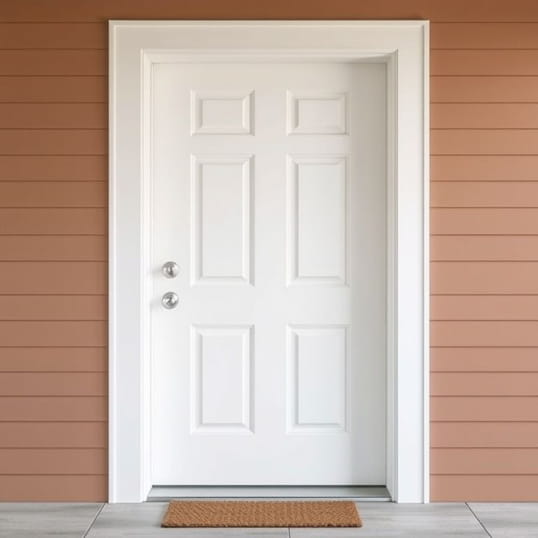
Exterior Door Weatherstrip Replacement
Maintaining a home’s energy efficiency and comfort often requires attention to small yet essential components, such as exterior door weatherstripping. Weatherstrips serve as the first line of defense against drafts, moisture, and outdoor noise, helping to maintain indoor temperature and reduce energy bills. Over time, weatherstripping can wear out, crack, or become misaligned, making replacement necessary. Exterior door weatherstrip replacement is a manageable DIY project that can significantly improve the performance of doors, enhance home comfort, and protect against the elements.
Understanding Exterior Door Weatherstrips
Exterior door weatherstrips are strips of material installed around the edges of doors to seal gaps between the door and its frame. They are designed to prevent air, water, dust, and pests from entering the home while maintaining indoor temperature. Weatherstrips come in various materials, including rubber, vinyl, foam, felt, and metal. Each type offers different levels of durability, insulation, and ease of installation. Choosing the right weatherstrip material is essential for ensuring long-lasting protection and optimal performance.
Types of Exterior Door Weatherstrips
- Rubber or VinylFlexible, durable, and resistant to weather, ideal for high-traffic doors.
- Foam TapeEasy to install and effective for minor gaps, though less durable in extreme conditions.
- FeltAffordable and simple to use but may wear quickly and require frequent replacement.
- Metal or CombinationOffers robust protection, often paired with rubber or vinyl for enhanced sealing.
Signs You Need Exterior Door Weatherstrip Replacement
Over time, even high-quality weatherstripping can deteriorate due to constant use and exposure to environmental conditions. Common signs that exterior door weatherstrip replacement is needed include
- Drafts or noticeable cold or hot air entering around the door edges.
- Visible gaps, cracks, or compression in the existing weatherstrip.
- Water leakage during rain or snow, indicating a compromised seal.
- Increased energy bills despite no significant changes in heating or cooling habits.
- Difficulty closing the door properly due to worn or misaligned weatherstripping.
- Noise from outside becoming more noticeable inside the home.
Benefits of Replacing Exterior Door Weatherstrips
Replacing worn weatherstripping can have multiple benefits for homeowners. Firstly, it improves energy efficiency by reducing heat loss in winter and heat gain in summer, leading to lower energy bills. Secondly, it enhances indoor comfort by eliminating drafts and reducing temperature fluctuations. Additionally, new weatherstripping provides better protection against rain, snow, dust, and pests, preserving interior spaces and extending the lifespan of the door. A well-sealed door also reduces outdoor noise, contributing to a quieter and more peaceful home environment.
Tools and Materials Needed for Replacement
Performing an exterior door weatherstrip replacement is straightforward with the right tools and materials. Typically, you will need
- New weatherstripping suitable for your door type and material.
- Measuring tape to determine the correct length.
- Utility knife or scissors for cutting the weatherstrip to size.
- Adhesive or fasteners if required for your weatherstrip type.
- Screwdriver or drill if removing existing screws or hardware.
- Cleaning supplies to prepare the door frame before installation.
Steps for Exterior Door Weatherstrip Replacement
The process of replacing exterior door weatherstripping generally follows these steps
1. Remove Old Weatherstripping
Carefully remove the existing weatherstrip from the door frame. For adhesive-backed strips, peel slowly to avoid damaging the surface. For nailed or screwed strips, remove fasteners using appropriate tools. Clean the area thoroughly to remove dirt, debris, and adhesive residue, ensuring a smooth surface for the new weatherstrip.
2. Measure and Cut New Weatherstrip
Measure the length of each side of the door frame where weatherstripping will be installed. Cut the new weatherstrip to the correct length using a utility knife or scissors. Double-check measurements to avoid gaps or overlapping sections that could compromise the seal.
3. Install the New Weatherstrip
Attach the new weatherstrip according to the manufacturer’s instructions. Adhesive-backed strips should be pressed firmly along the door frame. Nail or screw-in types should be fastened securely while ensuring they do not interfere with the door’s ability to close properly. Make adjustments as needed to ensure a snug fit and continuous seal around all edges of the door.
4. Test the Seal
Close the door and check for drafts, gaps, or any areas where the seal is not complete. Make adjustments if necessary to achieve a uniform, tight seal. Testing ensures the new weatherstrip effectively blocks air, moisture, and noise, providing maximum efficiency and comfort.
Maintenance Tips for Exterior Door Weatherstrips
Proper maintenance of weatherstripping extends its lifespan and performance. Regularly inspect the strips for signs of wear, especially after extreme weather conditions. Clean the weatherstrip to remove dirt, dust, and debris that may affect adhesion or flexibility. Avoid using harsh chemicals that could degrade rubber or vinyl materials. If minor wear or compression occurs, temporary fixes such as additional adhesive or foam inserts may help maintain the seal until full replacement is needed.
Additional Considerations
- Choose weatherstripping compatible with your door material and climate conditions.
- Consider energy-efficient options that provide superior insulation for colder or hotter regions.
- Ensure the weatherstrip does not interfere with door hardware, locks, or thresholds.
- Professional assistance may be beneficial for unusually sized or non-standard doors.
Exterior door weatherstrip replacement is a simple yet highly effective way to improve home comfort, energy efficiency, and protection against the elements. By identifying worn or damaged weatherstripping and installing new high-quality strips, homeowners can reduce drafts, lower energy bills, and extend the life of their doors. With careful measurement, proper installation, and routine maintenance, new weatherstrips provide long-lasting benefits, making exterior door weatherstrip replacement an essential aspect of home upkeep. Whether addressing drafts, moisture, or outdoor noise, this small home improvement can have a significant impact on overall living conditions.