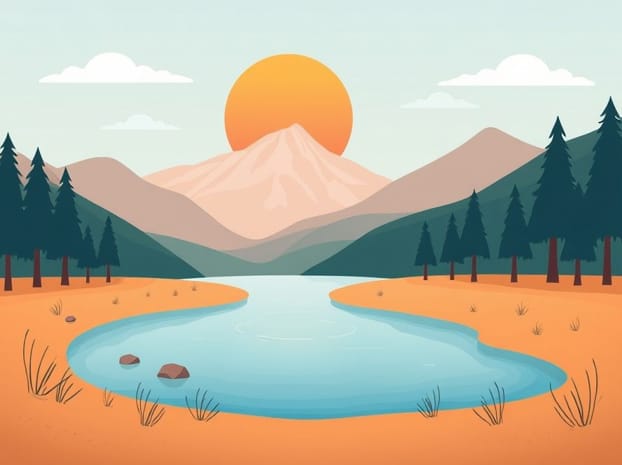
Easy Scenery Drawing With Colour
Creating an easy scenery drawing with colour is a wonderful way to express creativity while exploring the beauty of nature. Even beginners can achieve stunning results with simple techniques and a few essential materials. Whether you are drawing a serene mountain landscape, a peaceful riverside, or a vibrant sunset, using colours effectively can bring your scenery to life. This type of drawing allows you to experiment with shading, blending, and layering to produce depth and realism, while still keeping the process enjoyable and accessible for all skill levels. By learning how to combine basic shapes with harmonious colours, anyone can create a beautiful scenery drawing that captures the essence of the natural world.
Choosing the Right Materials for Colour Scenery Drawing
Before starting your easy scenery drawing with colour, it is important to gather the right materials. You do not need expensive supplies; a few basic tools can be very effective. Pencils, erasers, colored pencils, crayons, watercolours, or markers are all suitable options depending on your preferred style. Paper quality also plays a role, as thicker paper works better with wet mediums like watercolours. Starting with simple materials allows you to focus on composition and colour blending without being overwhelmed by complicated tools.
Recommended Materials
- Sketching pencils (HB or 2B) for outlining shapes.
- Colored pencils for adding vibrant details and layering colours.
- Watercolours for soft gradients and natural blending.
- Crayons or markers for bold and bright colours.
- Good quality drawing paper or watercolor paper.
- Eraser and sharpener for precision work.
Planning Your Scenery Drawing
Even easy scenery drawings benefit from a basic plan. Start by visualizing the landscape you want to create. Decide on the main elements, such as mountains, trees, rivers, or skies. Simplifying the scene into basic shapes like triangles for mountains, circles for trees, and wavy lines for rivers can make the drawing process easier. Planning also involves choosing a colour palette that complements the scene. Soft pastels create a calming effect, while bright primary colours can make the scenery lively and cheerful. The planning stage sets the foundation for a well-balanced and visually appealing artwork.
Step-by-Step Planning Tips
- Sketch basic outlines of the main elements lightly with a pencil.
- Divide the composition into foreground, middle ground, and background.
- Select a harmonious colour palette that reflects the mood of your scenery.
- Decide on light sources and shading to create depth.
- Keep the details simple and focus on overall shapes for an easy approach.
Techniques for Easy Colour Blending
Adding colour to your scenery drawing requires techniques that enhance realism and visual interest. Layering is an essential method, where you gradually build up colours to achieve depth. For example, layering different shades of green for trees or multiple blues for a river adds richness to the drawing. Blending can be done using blending pencils, fingers, or a small brush, depending on the medium. Watercolours offer natural gradients, while colored pencils allow more control for detailed work. Practicing these techniques will make your easy scenery drawing look vibrant and professional without overly complicating the process.
Colour Blending Tips
- Start with light colours and gradually add darker shades for depth.
- Blend colours while they are still wet if using watercolours.
- Use circular or gentle back-and-forth motions to mix coloured pencils.
- Layer complementary colours lightly to create natural variations.
- Pay attention to transitions between sky, water, and land to maintain harmony.
Adding Details to Enhance the Scenery
Even simple scenery drawings benefit from carefully chosen details. Small touches such as birds in the sky, reflections in water, or texture on tree bark can elevate the overall visual impact. However, it is important not to overcrowd the scene; the goal is an easy and enjoyable drawing. Focus on elements that naturally draw the viewer’s eye and enhance the sense of realism. Subtle highlights and shadows can also make the scenery more three-dimensional, giving life to mountains, rivers, and trees.
Simple Detail Tips
- Use lighter colours or white for highlights on water or snow.
- Add small, repetitive strokes to simulate grass or tree foliage.
- Include silhouettes of distant elements to create perspective.
- Keep details in proportion to maintain balance and simplicity.
- Use contrast between light and dark areas to emphasize key features.
Creating Different Types of Scenery
Easy scenery drawings can depict a wide variety of landscapes. For instance, a mountain landscape can include layered peaks, forests, and rivers, while a seaside scene may feature waves, sandy shores, and distant boats. Each type of scenery requires specific attention to colour and texture. Forests benefit from layered greens and browns, while skies require smooth transitions from light to dark to simulate clouds and sunlight. Experimenting with different types of scenery helps artists develop versatility and strengthens their understanding of colour application.
Types of Easy Colour Scenery
- Mountain landscapes with peaks, rivers, and trees.
- Beach or seaside scenes with sand, waves, and sunlight reflections.
- Sunset or sunrise skies with vibrant colour gradients.
- Urban landscapes simplified into blocks and coloured areas.
- Rural or countryside views with fields, flowers, and farmhouses.
Tips for Beginners
For beginners attempting easy scenery drawings with colour, patience and practice are key. Start with simple shapes and gradually add complexity as confidence grows. Avoid overthinking; focus on the enjoyment of combining colours and creating a pleasing composition. Observing real-life landscapes or reference images can help in understanding natural colour schemes and light effects. Over time, practicing different techniques and experimenting with various colour combinations will improve both skill and artistic intuition.
Beginner-Friendly Advice
- Start with simple, recognizable shapes like triangles for mountains or circles for trees.
- Use a limited colour palette to avoid overwhelming the drawing.
- Practice blending and layering on scrap paper before applying to the main drawing.
- Take breaks to view the drawing from a distance and assess composition.
- Have fun and allow yourself to make mistakes as part of learning.
Creating an easy scenery drawing with colour is a fulfilling way to express artistic creativity while connecting with the natural world. By focusing on simple shapes, effective colour blending, and thoughtful composition, even beginners can produce visually appealing landscapes. These drawings offer an opportunity to experiment with colour, texture, and perspective while keeping the process enjoyable and approachable. Whether drawing mountains, rivers, forests, or sunsets, easy colour scenery drawings encourage artistic growth, foster appreciation for nature, and provide a rewarding creative experience for artists of all ages and skill levels.