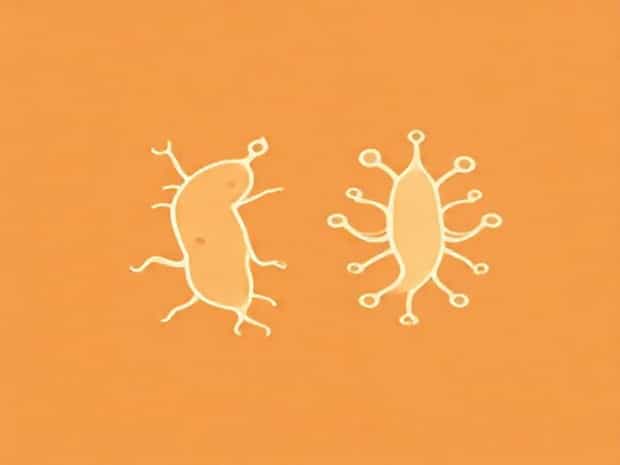
Escherichia Coli And Staphylococcus Aureus
Escherichia coli and Staphylococcus aureus are two of the most well-known bacteria in both medical and scientific discussions. Although they are naturally present in different parts of the human body, these microorganisms can cause a wide range of health problems when they grow uncontrollably or when the body’s defenses are weakened. Their role in infections, food safety, and even medical research makes them a subject of global interest. Understanding their characteristics, transmission, and prevention is important for both everyday health awareness and for medical professionals who manage bacterial diseases.
Overview of Escherichia coli
Escherichia coli, often referred to simply as E. coli, is a bacterium that usually resides in the intestines of humans and animals. While many strains are harmless and play a role in digestion, some strains can cause serious illness. Pathogenic E. coli are responsible for conditions ranging from mild gastroenteritis to life-threatening infections like hemolytic uremic syndrome.
Characteristics of E. coli
E. coli belongs to the family Enterobacteriaceae. These bacteria are Gram-negative, rod-shaped, and facultatively anaerobic, meaning they can survive with or without oxygen. They are highly adaptable and can thrive in diverse environments, from the human gut to contaminated food or water sources.
Pathogenic Strains
Not all E. coli strains are harmful, but certain types are notorious for causing infections. The most notable pathogenic groups include
- Enterotoxigenic E. coli (ETEC), known for causing traveler’s diarrhea.
- Enterohemorrhagic E. coli (EHEC), including O157H7, which can lead to severe foodborne illness.
- Enteropathogenic E. coli (EPEC), more common in developing countries and associated with infant diarrhea.
- Uropathogenic E. coli (UPEC), a major cause of urinary tract infections.
Diseases and Symptoms
Illness caused by pathogenic E. coli can manifest in different ways depending on the strain. Symptoms often include diarrhea, abdominal cramps, nausea, and fever. Severe cases, particularly with EHEC, can cause bloody diarrhea and kidney complications. E. coli is also one of the leading causes of urinary tract infections, presenting with symptoms such as burning during urination and frequent urges to urinate.
Overview of Staphylococcus aureus
Staphylococcus aureus is another bacterium of great medical significance. Unlike E. coli, which is usually associated with the intestines, S. aureus commonly resides on the skin and in the nasal passages. While it often lives harmlessly on the body, it can cause a wide variety of infections, from minor skin conditions to life-threatening systemic diseases.
Characteristics of Staphylococcus aureus
S. aureus is a Gram-positive, spherical bacterium that tends to form clusters resembling grapes. It is facultatively anaerobic and highly versatile, capable of producing a range of enzymes and toxins that allow it to invade tissues and evade the immune system. One of its most well-known abilities is developing resistance to antibiotics, particularly in strains such as MRSA (methicillin-resistant Staphylococcus aureus).
Diseases and Symptoms
S. aureus can cause conditions that vary from mild to severe. Common skin infections include boils, abscesses, and impetigo. More serious conditions include pneumonia, septicemia, endocarditis, and bone infections. Food poisoning is another major concern, as S. aureus can produce heat-stable toxins in contaminated food, leading to sudden vomiting and diarrhea.
Comparison Between E. coli and S. aureus
Although both E. coli and S. aureus can cause significant health problems, they differ in many aspects. Understanding these differences is essential for prevention, treatment, and diagnosis.
Natural Habitat
- E. coliCommonly found in the intestines of humans and animals.
- S. aureusCommonly found on the skin and in the nasal passages.
Types of Infections
- E. coliFrequently associated with gastrointestinal illnesses, urinary tract infections, and sepsis.
- S. aureusOften responsible for skin infections, wound infections, pneumonia, and systemic bloodstream infections.
Pathogenic Mechanisms
E. coli primarily causes illness through toxin production, invasion of the urinary tract, or damage to intestinal cells. In contrast, S. aureus produces a wide array of enzymes and toxins that help it penetrate tissues, evade the immune system, and resist antibiotics.
Antibiotic Resistance
Both bacteria can develop antibiotic resistance, but S. aureus is particularly known for MRSA, which poses a major global health challenge. E. coli also has resistant strains, especially in hospital-acquired infections, complicating treatment options.
Transmission of E. coli and S. aureus
The spread of these bacteria occurs in different ways due to their natural habitats. E. coli infections are often linked to contaminated food, undercooked meat, unpasteurized milk, and poor hygiene practices. Person-to-person transmission can also occur, especially in environments with limited sanitation.
S. aureus, on the other hand, spreads mainly through direct skin contact, contaminated surfaces, or exposure to respiratory droplets. Healthcare settings are a common place for transmission, particularly for MRSA infections, due to frequent use of antibiotics and close contact between patients.
Prevention Strategies
Preventing infections caused by E. coli and S. aureus requires both individual and community-level measures.
For E. coli
- Cook meat thoroughly to kill harmful bacteria.
- Wash fruits and vegetables carefully.
- Avoid unpasteurized milk and juices.
- Practice good hand hygiene, especially after handling raw food or using the bathroom.
For Staphylococcus aureus
- Maintain proper wound care to prevent skin infections.
- Wash hands regularly, especially in healthcare or crowded environments.
- Avoid sharing personal items like towels or razors.
- Follow hospital infection control practices to reduce MRSA transmission.
Treatment Approaches
The treatment of E. coli and S. aureus infections depends on the severity and location of the infection.
E. coli Treatment
Mild infections often resolve without specific treatment, requiring only hydration and rest. In more severe cases, antibiotics may be prescribed, although resistance can limit options. For conditions like hemolytic uremic syndrome, supportive care such as dialysis may be necessary.
S. aureus Treatment
Skin infections are typically treated with topical or oral antibiotics, while more serious infections require intravenous antibiotics. MRSA infections are more challenging, often needing special antibiotics like vancomycin or linezolid. Supportive care and surgical intervention may also be required for abscess drainage or removal of infected tissue.
Role in Medical Research
Both E. coli and S. aureus play important roles in scientific and medical research. E. coli, for instance, is widely used in biotechnology and genetic engineering due to its rapid growth and ability to express foreign genes. Many breakthroughs in molecular biology, such as recombinant DNA technology, have relied heavily on E. coli as a model organism.
S. aureus is often studied in the context of antibiotic resistance, immune system evasion, and toxin production. Research on MRSA has guided the development of new drugs and hospital infection control strategies.
Escherichia coli and Staphylococcus aureus are two bacteria that illustrate the complex relationship between humans and microorganisms. While they can exist harmlessly in or on the body, they are also capable of causing severe and sometimes life-threatening diseases. Their ability to adapt, resist antibiotics, and spread in both community and healthcare environments highlights the need for ongoing awareness, prevention, and research. Understanding their biology, modes of transmission, and treatment strategies is crucial for safeguarding public health and preparing for future challenges in infectious disease management.