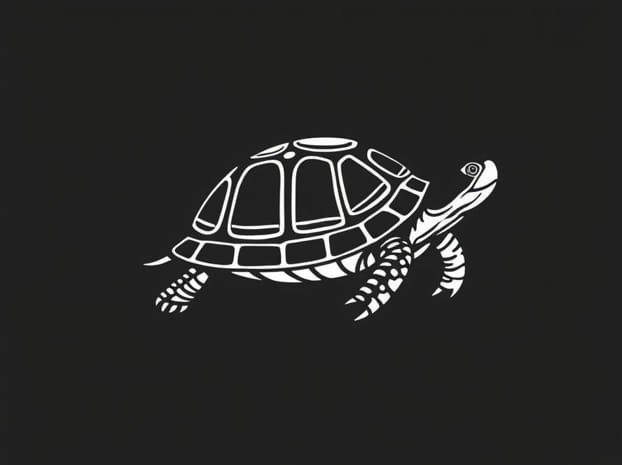
Eastern Box Turtle Lifespan
The Eastern Box Turtle is a remarkable species known for its distinct domed shell, slow movement, and long lifespan. These turtles are often admired for their longevity, which can span several decades in the wild, making them a subject of fascination for wildlife enthusiasts and herpetologists alike. Understanding the lifespan of the Eastern Box Turtle provides insight into its natural history, care requirements in captivity, and the environmental factors that influence its longevity. Lifespan is influenced by a combination of genetics, diet, habitat, predation, and human impact, and examining these factors reveals why these turtles are considered one of the longer-lived reptiles in North America.
Overview of the Eastern Box Turtle
The Eastern Box Turtle, scientifically known as Terrapene carolina carolina, is native to the eastern United States, inhabiting forests, meadows, and wetlands. These turtles are characterized by their high-domed shells, hinged plastrons that allow them to completely close up for protection, and distinctive markings that can vary in color from yellow to orange or brown. Box turtles are primarily terrestrial but require moist environments for hydration and egg-laying. Their lifespan and survival strategies are closely linked to their adaptability, diet, and the protective shell mechanism that shields them from predators.
Physical Characteristics Affecting Lifespan
- High-domed, sturdy shell offers protection from predators.
- Hinged plastron allows complete closure for defense.
- Slow metabolism contributes to slower aging and longevity.
- Variable coloration and patterns provide camouflage in natural habitats.
Average Lifespan in the Wild
In their natural habitats, Eastern Box Turtles typically live between 30 and 40 years, though many can surpass 50 years under ideal conditions. Their longevity is influenced by environmental stability, availability of food, and avoidance of predators. In areas with abundant resources and minimal human interference, these turtles are more likely to reach the upper end of their lifespan range. Conversely, habitat destruction, pollution, and road mortality are significant threats that can reduce their lifespan substantially. Understanding the average lifespan helps conservationists develop strategies to protect populations and maintain ecological balance.
Factors Affecting Wild Lifespan
- Predation by raccoons, foxes, and birds, especially for juveniles.
- Habitat quality and availability of food sources.
- Climate and seasonal changes affecting activity and hibernation.
- Human impacts, including habitat destruction, road traffic, and pollution.
- Diseases and parasitic infections that can reduce life expectancy.
Lifespan in Captivity
When kept in captivity under proper care, Eastern Box Turtles often live longer than their wild counterparts, sometimes exceeding 60 years. Captive care eliminates many natural threats such as predation and harsh environmental conditions, while providing a consistent diet and medical attention. However, proper husbandry is essential to ensure longevity. Inadequate nutrition, improper housing, or neglect can drastically reduce their lifespan. The key to maximizing lifespan in captivity involves mimicking natural conditions as closely as possible, including temperature regulation, humidity levels, and access to outdoor or enriched environments.
Tips for Extending Lifespan in Captivity
- Provide a balanced diet with vegetables, fruits, and protein sources like insects or worms.
- Ensure proper UVB lighting and temperature gradients for shell and bone health.
- Maintain adequate humidity and access to water for hydration and soaking.
- Provide a secure and spacious enclosure to reduce stress and encourage natural behavior.
- Monitor health regularly and consult a veterinarian experienced with reptiles.
Reproductive Lifespan and Growth
Eastern Box Turtles reach sexual maturity relatively late, usually between 5 and 10 years of age. Females can lay eggs annually, with the number of eggs per clutch varying based on age, size, and health. The late maturity contributes to their slow population growth, making longevity an important factor for species survival. Growth continues gradually over many years, and older turtles often exhibit reduced activity but maintain reproductive capability. Understanding the reproductive lifespan is crucial for conservation efforts, particularly when managing captive breeding programs or protecting wild populations.
Reproductive Insights
- Sexual maturity typically occurs around 5-10 years of age.
- Females lay one to three clutches per year, depending on environmental conditions.
- Egg incubation is influenced by soil temperature and humidity.
- Juvenile survival rates are lower, making adult longevity critical for population stability.
- Older turtles continue to reproduce, contributing to population continuity.
Threats to Lifespan
The lifespan of Eastern Box Turtles is increasingly threatened by human activities. Habitat fragmentation due to urbanization, roads, and agriculture reduces available living space and increases mortality risk. Illegal collection for the pet trade also affects wild populations. Climate change can disrupt hibernation cycles and food availability, while exposure to pollutants and pesticides can lead to disease or premature death. Conservation strategies aimed at protecting habitats, regulating trade, and educating the public about responsible interaction with wildlife are essential for maintaining their natural lifespan.
Main Threats
- Habitat destruction and fragmentation from development.
- Road mortality from vehicular traffic.
- Illegal collection for pets and trade.
- Pollution, pesticides, and chemical exposure.
- Climate change affecting hibernation and food sources.
Conservation and Lifespan Preservation
Efforts to preserve the Eastern Box Turtle’s lifespan focus on habitat protection, population monitoring, and public awareness. Creating wildlife corridors and protected areas reduces human-related mortality and provides a stable environment for feeding, breeding, and hibernation. Educational programs inform communities about the species’ slow growth and long lifespan, discouraging illegal collection. Conservation organizations may also participate in breeding programs to support genetic diversity and population recovery. Protecting these turtles not only helps maintain their impressive lifespan but also preserves their ecological role in controlling insect populations and dispersing seeds.
Conservation Measures
- Establish protected habitats and wildlife corridors.
- Implement road-crossing solutions to reduce traffic fatalities.
- Monitor populations for health and stability.
- Educate the public on responsible wildlife interaction.
- Support breeding and release programs for population recovery.
The Eastern Box Turtle is a long-lived reptile whose lifespan can range from 30 to over 60 years depending on environmental conditions and care. Understanding the factors that affect their longevity, including diet, habitat, predation, and human impact, is essential for both enthusiasts and conservationists. In captivity, proper care can extend their lifespan and allow for a deeper connection with this fascinating species. In the wild, preserving natural habitats and mitigating human threats are critical for ensuring that these turtles continue to thrive for generations to come. By appreciating their remarkable longevity, we gain insight into their resilience, ecological importance, and the need to protect them in both wild and captive settings.