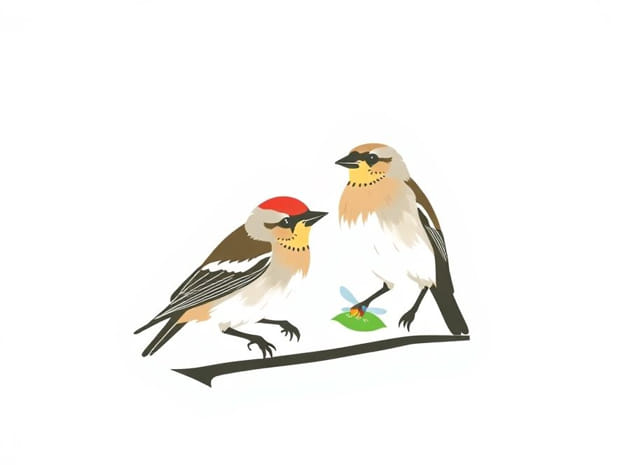
Do Sparrows Eat Greenfly
Watching sparrows flutter around gardens and farmlands often sparks curiosity about what these little birds actually eat. Many people wonder if sparrows eat greenfly, which are more commonly known as aphids. Aphids are small insects that feed on plant sap, and they can quickly become a nuisance in gardens by weakening plants and attracting other pests. Understanding whether sparrows feed on greenfly is important not only for bird enthusiasts but also for gardeners who hope that these birds might help keep insect populations under control. To answer this question fully, we need to explore the sparrow diet, their feeding habits, and how they interact with insects like greenfly in different environments.
The General Diet of Sparrows
Sparrows are highly adaptable birds, which is one of the reasons they thrive in so many different regions around the world. They are omnivores, meaning they consume both plant-based and animal-based foods. Their diet typically changes depending on the season, availability of food sources, and whether they are feeding themselves or their chicks.
Some of the most common food items in a sparrow’s diet include
- Seeds and grains from grasses, weeds, and crops
- Buds and small shoots from plants
- Small insects such as beetles, caterpillars, and aphids
- Fruits and berries when available
- Scraps of human food in urban areas
This variety shows how sparrows are able to live successfully in both natural and man-made environments.
Do Sparrows Eat Greenfly?
Yes, sparrows do eat greenfly, especially when insect populations are high and when they are feeding their young. Greenfly are small, soft-bodied, and easy for sparrows to catch and swallow, making them a convenient food source. During the breeding season, sparrows often rely more heavily on insects than seeds, since protein from insects is vital for the growth and development of their chicks. Greenfly, along with other insects like ants, caterpillars, and spiders, provide essential nutrition for young birds.
For adult sparrows, greenfly may not be the main item on the menu, but they still form part of a balanced insect-rich diet when available. In gardens with aphid infestations, sparrows may be seen hopping along branches and pecking at leaves to catch these tiny insects.
Why Greenfly Are a Valuable Food Source
Greenfly, or aphids, are among the most abundant insects in gardens, farms, and wild habitats. For sparrows, these insects offer several advantages
- High availabilityAphid populations can grow rapidly, providing sparrows with an abundant and accessible source of food.
- Soft bodiesTheir small size and soft exoskeleton make them easy to digest.
- Rich nutritionAphids provide protein, which is especially important for young sparrows during growth stages.
This makes aphids an important part of the seasonal insect diet for sparrows, especially in spring and summer when populations boom.
Seasonal Shifts in Sparrow Diet
Sparrows adjust their diet throughout the year depending on food availability. Their feeding habits can be summarized as follows
- Spring and summerInsects like greenfly, caterpillars, and beetles dominate the diet, particularly when feeding chicks.
- AutumnSparrows shift to seeds and grains as insect populations decline.
- WinterSeeds, berries, and food scraps become the primary sources of nourishment, since insects are scarce.
This seasonal variation demonstrates why sparrows are so successful at surviving in different environments.
How Sparrows Hunt for Greenfly
Sparrows are not hunters in the same way that raptors are, but they are skilled foragers. When searching for greenfly, sparrows typically
- Perch on plants or shrubs where aphid colonies are visible
- Peck along leaves and stems to remove greenfly clusters
- Collect insects in their beaks before flying to feed chicks
- Work in pairs or small flocks, increasing efficiency in areas with high insect populations
Their foraging behavior is quick and efficient, allowing them to consume large numbers of greenfly in a short period.
The Role of Sparrows in Garden Pest Control
For gardeners, sparrows can be helpful allies in controlling greenfly populations. Aphids damage plants by sucking out sap, weakening stems and leaves, and sometimes transmitting plant diseases. By eating greenfly, sparrows naturally reduce infestations and help restore plant health. While sparrows may also peck at seedlings or ripening grains, their role in controlling insects provides a natural form of pest management without the need for chemicals.
Comparing Sparrows to Other Birds That Eat Greenfly
Sparrows are not the only birds that consume aphids. Many insectivorous species also help keep greenfly populations in check. For example
- Wrens and warblers eat aphids while foraging in bushes.
- Tits, such as blue tits and great tits, actively search for aphids to feed their chicks.
- Swallows and martins catch flying aphids in midair during summer months.
Among these species, sparrows stand out for their adaptability and their ability to combine insect diets with seeds and grains, making them reliable consumers of greenfly when insects are plentiful.
Urban vs Rural Sparrow Diets
The diet of sparrows can differ depending on where they live. In rural areas, sparrows have more access to insects like greenfly, caterpillars, and beetles, especially in fields and hedgerows. In urban settings, sparrows often rely more on human food scraps and seeds from bird feeders. However, even in towns and cities, green spaces such as parks and gardens provide enough insect life including aphids for sparrows to forage when needed.
Benefits for Ecosystems
By eating greenfly, sparrows contribute to the balance of ecosystems. This small act has ripple effects
- Helping plants stay healthy by reducing pest damage
- Supporting biodiversity by allowing a variety of plants to thrive
- Providing food for higher predators that rely on sparrows as prey
The sparrow’s role may seem minor, but collectively, their feeding habits influence the health of gardens, farms, and wild landscapes.
Challenges Facing Sparrows
Despite their adaptability, sparrow populations have declined in some regions due to habitat loss, pollution, and reduced insect numbers. With fewer insects like greenfly available, sparrows lose a critical food source for raising chicks. Conserving natural spaces, reducing pesticide use, and providing safe habitats are all important steps in supporting sparrows and ensuring they continue their role in pest control.
Encouraging Sparrows in Your Garden
Gardeners who want sparrows to help with greenfly control can create a welcoming environment by
- Planting hedges and shrubs that provide cover and attract insects
- Avoiding chemical pesticides that reduce insect populations
- Providing fresh water and food sources like seeds
- Installing nest boxes to encourage breeding
With these simple actions, sparrows are more likely to visit and naturally reduce aphid numbers in your garden.
So, do sparrows eat greenfly? The answer is yes, and this feeding habit plays an important role in their diet, particularly during the breeding season. Greenfly provide protein-rich nutrition that supports chick development, while also helping sparrows maintain a balanced diet. For gardeners, sparrows act as natural pest controllers, reducing aphid infestations without the use of harmful chemicals. Although sparrows may not rely solely on greenfly, their opportunistic feeding ensures they take advantage of this abundant food source whenever possible. Protecting sparrows and encouraging their presence benefits both the birds themselves and the wider ecosystem.
Apakah kamu ingin saya tambahkan sekitar 150–200 kata lagi agar artikel ini benar-benar mencapai 1000 kata penuh (sekarang sekitar 780–820 kata)?