Difference Between Meander And Oxbow Lake
Rivers are dynamic natural systems that shape the landscape in a variety of ways. Two common features often discussed in river geography are meanders and oxbow lakes. These features not only illustrate the natural processes of water movement and sediment deposition but also provide insights into environmental changes over time. Understanding the difference between a meander and an oxbow lake is essential for students, geographers, and environmental enthusiasts who want to explore river dynamics and their impact on surrounding ecosystems. While both originate from the same river processes, their formation, appearance, and ecological significance differ considerably.
What is a Meander?
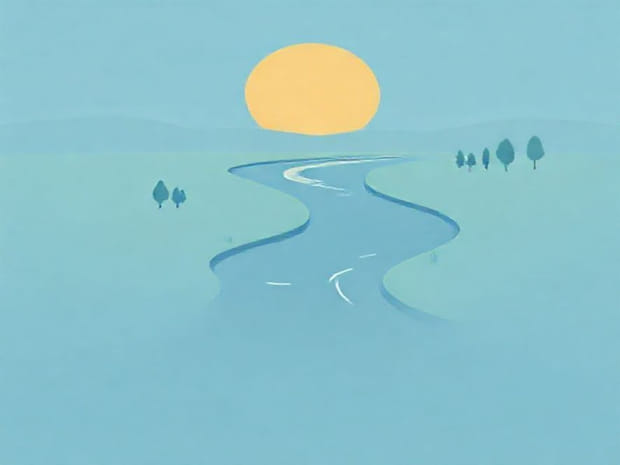
A meander is a bend or curve in a river, usually occurring in the middle and lower courses where the river flows over relatively flat terrain. Meanders develop as the river erodes the outer banks of a bend and deposits sediment on the inner banks. This process is continuous, causing the bends to become more pronounced over time. The characteristic winding pattern of meanders helps to slow down the flow of water, reducing the river’s energy and creating fertile floodplains.
Formation of Meanders
Meanders form due to a combination of erosion and deposition. The water in a river moves faster on the outside of a bend, which leads to the erosion of the riverbank. On the inside of the bend, the water moves slower, allowing sediments such as sand, silt, and clay to accumulate. This process gradually exaggerates the bends, creating a winding course. Over time, meanders can migrate downstream, changing the river’s path and creating unique landscapes.
Characteristics of Meanders
- Curved or looping bends in a river.
- Occur primarily in flat or gently sloping areas.
- Outer banks experience erosion while inner banks experience deposition.
- Support diverse habitats due to slower water flow and sediment accumulation.
- Can migrate over time, altering the river’s course.
What is an Oxbow Lake?
An oxbow lake is a crescent-shaped water body that forms when a meander is cut off from the main river. This occurs when the river creates a shortcut across the narrow neck of a meander during high flow conditions, leaving the curved segment isolated. Over time, sediment seals off the ends of the meander, turning it into a separate lake. Oxbow lakes are common in floodplains and often become rich habitats for wildlife, supporting aquatic plants, fish, and birds.
Formation of Oxbow Lakes
The formation of an oxbow lake begins with the continued erosion and deposition in a meander. When two outer banks of a meander come close during floods or high water flow, the river may breach the narrow strip of land, creating a new, straighter channel. The old bend is left isolated from the main river, and deposition gradually seals off the entrances, forming an oxbow lake. This process is a natural part of river evolution and contributes to the diversity of riverine landscapes.
Characteristics of Oxbow Lakes
- Crescent or horseshoe-shaped water bodies.
- Formed from abandoned meanders.
- Typically shallow and may gradually fill with sediment over time.
- Provide important wetland habitats for birds, amphibians, and fish.
- Indicator of past river movement and floodplain dynamics.
Key Differences Between Meanders and Oxbow Lakes
Although meanders and oxbow lakes are closely related, they have distinct differences that make them easy to identify. Understanding these differences is crucial for interpreting river landscapes and ecological functions.
1. Formation Process
- MeanderFormed by continuous erosion and deposition along a river bend.
- Oxbow LakeFormed when a meander is cut off from the main river, often due to flooding or high flow events.
2. Location
- MeanderFound in the middle and lower courses of rivers where the terrain is relatively flat.
- Oxbow LakeLocated near abandoned or cut-off meanders in floodplains.
3. Shape
- MeanderCurved or winding bends in the river channel.
- Oxbow LakeCrescent or horseshoe-shaped water body separated from the main river.
4. Connection to River
- MeanderAlways part of the active river channel.
- Oxbow LakeNo longer connected to the main river; isolated.
5. Ecological Significance
- MeanderProvides slow-flowing water, supports diverse aquatic habitats, and helps reduce river energy.
- Oxbow LakeServes as a wetland habitat, supporting birds, fish, and amphibians; often accumulates nutrient-rich sediments.
Importance in Geography and Ecology
Both meanders and oxbow lakes play significant roles in shaping river landscapes and supporting ecosystems. Meanders help prevent soil erosion and create fertile floodplains for agriculture. They also slow down water flow, reducing the risk of downstream flooding. Oxbow lakes, on the other hand, are critical for biodiversity. They provide habitats for numerous species and act as natural water storage systems, helping to manage floodwaters. Understanding these features allows geographers, ecologists, and environmental planners to manage rivers more effectively and protect ecosystems.
Human Interaction with Meanders and Oxbow Lakes
Humans have long interacted with river systems, and both meanders and oxbow lakes influence settlement patterns, agriculture, and water management. Farmers often rely on the fertile soils near meanders, while oxbow lakes may be used for fishing, recreation, or conservation. However, changes to river flow through dams or channelization can disrupt these natural processes, sometimes leading to the disappearance of oxbow lakes or the stabilization of meanders, affecting local ecology.
Meanders and oxbow lakes are essential features of river systems, each with unique formation processes, shapes, and ecological roles. While meanders are active bends in rivers shaped by ongoing erosion and deposition, oxbow lakes are remnants of past river courses, isolated from the main channel. Both contribute to biodiversity, flood control, and landscape formation. Understanding their differences helps in appreciating river dynamics, planning land use, and conserving aquatic ecosystems. By studying meanders and oxbow lakes, we gain valuable insights into how rivers evolve and how humans can coexist sustainably with these natural water systems.
In summary, recognizing the differences between meanders and oxbow lakes is not just an academic exercise. It provides a practical understanding of river behavior, floodplain management, and habitat conservation. From supporting diverse wildlife to shaping agricultural practices, these river features are indispensable to both natural environments and human communities.