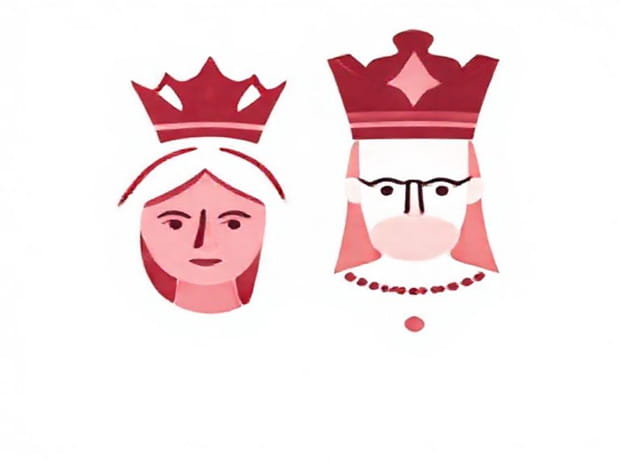
Difference Between Matriarch And Patriarch
Family structures and societal roles have been studied for centuries, and understanding the terms used to describe leadership within families is essential. Two commonly used terms in this context are matriarch and patriarch. Both refer to figures of authority within a family or clan, but they carry distinct meanings, roles, and cultural connotations. Exploring the differences between a matriarch and a patriarch helps clarify how family leadership can vary based on gender, tradition, and societal norms. These terms also provide insight into historical and contemporary social structures.
Definition of Patriarch
The term patriarch” traditionally refers to a male leader or elder of a family, clan, or community. In patriarchal societies, the patriarch often holds the highest authority and is responsible for making key decisions regarding family matters, finances, property, and social relationships. Historically, patriarchs were considered the primary breadwinners and decision-makers, and their authority was often reinforced through cultural, religious, or legal structures. The influence of a patriarch extends beyond immediate family to include extended relatives, often dictating familial roles and responsibilities.
Roles and Responsibilities of a Patriarch
Patriarchs typically perform several critical functions within the family or community
- Decision-MakingMaking important choices related to finances, property, education, and family alliances.
- LeadershipServing as the figurehead or representative of the family in social, political, or religious contexts.
- DisciplineEnforcing rules and guiding younger members to maintain order and tradition.
- InheritanceOften controlling the distribution of property and wealth within the family.
While modern societies are moving toward more egalitarian structures, the patriarch still symbolizes male authority and leadership in many cultural contexts.
Definition of Matriarch
Conversely, a matriarch is a female leader or elder within a family or community. The matriarch often serves as the central figure of emotional support, guidance, and management within the household. In matriarchal systems, women may hold primary authority over decision-making, inheritance, and family traditions. Even in patriarchal societies, a matriarch can wield significant influence, particularly in managing family relationships, child-rearing, and household organization. The matriarch’s authority is often rooted in respect, wisdom, and experience rather than formal legal power.
Roles and Responsibilities of a Matriarch
Matriarchs play diverse and influential roles, which may include
- Emotional LeadershipProviding guidance, support, and care for family members.
- Decision-MakingManaging household affairs and influencing family decisions, often in collaboration with other elders.
- Tradition KeeperPreserving cultural practices, family history, and rituals.
- Conflict ResolutionActing as a mediator during disagreements and maintaining family harmony.
The matriarch’s influence is frequently subtle but profound, shaping family values, education, and social behavior.
Key Differences Between Patriarch and Matriarch
While both patriarchs and matriarchs are leaders within a family, the distinction lies in gender, type of authority, and cultural perception. Some of the main differences include
Gender and Leadership Style
A patriarch is traditionally male and often embodies authority through formal decision-making and external representation. Leadership is more hierarchical and directive. A matriarch, in contrast, is female and may exercise authority through emotional intelligence, relationship management, and guidance, often fostering cooperation and nurturing within the family.
Decision-Making and Influence
Patriarchs are typically associated with major decisions regarding finances, property, and public interactions. Matriarchs influence decisions primarily through advisory roles, emotional support, and internal family management. In some cultures, a matriarch may also oversee property and inheritance, particularly in matrilineal systems.
Cultural and Historical Context
Patriarchal systems have dominated many societies historically, emphasizing male authority in both private and public spheres. Matriarchal systems, though less common, place women at the center of familial and social decision-making. Even in patriarchal cultures, matriarchs often hold significant informal power due to their role in maintaining family cohesion and values.
Examples in Society and Media
Understanding patriarchs and matriarchs is easier when observing real-world examples. In history, patriarchs often include kings, tribal leaders, or male heads of aristocratic families, while matriarchs can be seen as queen mothers, elder women in communities, or influential female figures managing households and estates. In literature and media, patriarchs and matriarchs are frequently depicted to highlight contrasting leadership styles the patriarch as authoritative and commanding, and the matriarch as nurturing and wise.
Influence on Family Dynamics
The presence of a patriarch or matriarch can shape family culture and interactions significantly. Patriarchs may enforce traditions, discipline, and external reputation, while matriarchs often focus on maintaining emotional bonds, mediating conflicts, and fostering unity. Families with strong patriarchs may prioritize hierarchical order, while families led by influential matriarchs may emphasize cooperation, education, and interpersonal care.
Modern Perspectives
In contemporary society, the rigid roles of patriarchs and matriarchs are evolving. Gender equality movements and changing social norms have blurred traditional distinctions. Many families now share leadership responsibilities between male and female elders, combining decision-making power with nurturing guidance. Despite these changes, the terms patriarch and matriarch remain useful for describing leadership styles and the roles of influential family figures.
Impact on Gender Roles
Recognizing the differences between patriarch and matriarch helps in understanding broader gender dynamics in society. Patriarchal leadership is associated with traditional male authority, while matriarchal influence highlights female empowerment, wisdom, and caregiving abilities. Acknowledging these roles allows families and communities to appreciate diverse contributions to leadership and family cohesion.
In summary, the difference between a matriarch and a patriarch lies in gender, type of authority, cultural context, and leadership style. A patriarch is traditionally a male head who wields formal authority, often making major decisions regarding finances, inheritance, and social representation. A matriarch, on the other hand, is a female leader who provides emotional guidance, manages family relationships, and preserves traditions. Both play vital roles in shaping family dynamics, values, and cohesion. While historical and cultural contexts have emphasized different aspects of their authority, modern families increasingly recognize the complementary contributions of both matriarchs and patriarchs, balancing leadership with care and wisdom to foster harmony and stability.