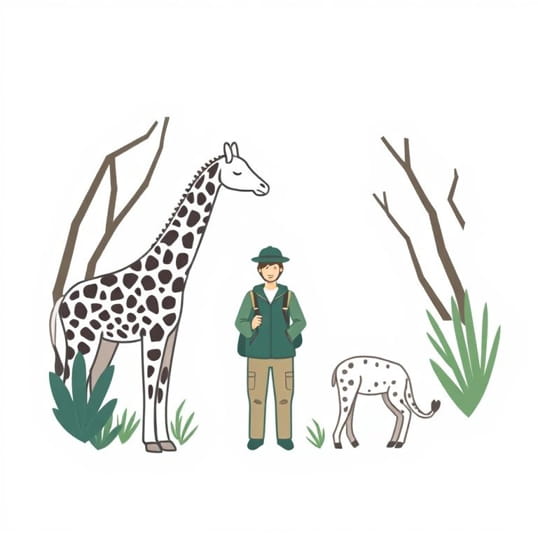
Day In The Life Of A Zookeeper
Being a zookeeper is more than just a job; it is a lifestyle that requires dedication, patience, and a deep love for animals. Each day is different, filled with a combination of routine tasks, unexpected challenges, and moments of wonder that few people get to experience. From early morning feedings to late-day habitat maintenance, the life of a zookeeper is physically demanding, mentally engaging, and emotionally rewarding. Understanding what a typical day looks like can provide insight into the skills and commitment required to care for a wide range of animals in a zoo setting.
Early Morning Responsibilities
The day of a zookeeper often begins before sunrise. Early mornings are typically devoted to feeding and observing animals to ensure they are healthy and active. Preparing meals requires careful planning and attention to detail, as different species have very specific dietary needs. For example, carnivores like lions require a carefully measured portion of meat, while herbivores such as giraffes need fresh vegetables and hay. Zookeepers must also account for dietary supplements or medications for animals with special health requirements.
Habitat Checks and Animal Health
After feeding, zookeepers conduct habitat inspections. This involves checking fences, water sources, and enrichment items to ensure that each enclosure is safe and stimulating. Health checks are also a critical part of the morning routine. Observing animals closely can reveal early signs of illness or stress, allowing zookeepers to take preventative measures. This might include noting changes in behavior, appetite, or physical appearance, which are often the first indicators of potential health issues.
Daily Tasks and Enrichment Activities
Once the initial morning responsibilities are completed, zookeepers move on to their day-to-day duties, which can vary depending on the animals they care for. Enrichment activities are an essential part of this process. These activities provide mental and physical stimulation to prevent boredom and encourage natural behaviors. Enrichment can include puzzle feeders, scent trails, climbing structures, or objects to manipulate. Each activity is carefully designed to suit the specific species and individual animal’s personality and needs.
Cleaning and Maintenance
Maintaining clean and safe enclosures is another critical part of a zookeeper’s day. This task involves removing waste, replacing bedding, and sanitizing water and food containers. While it may seem repetitive, cleaning is crucial for the animals’ health and the overall hygiene of the zoo. Zookeepers also perform maintenance tasks such as repairing fencing, checking locks, and ensuring that all habitats meet safety standards.
Education and Public Interaction
Many zookeepers also participate in educational programs and public demonstrations. Engaging with visitors is an important aspect of their role, helping people understand animal behavior, conservation efforts, and the importance of protecting natural habitats. Presentations might include feeding demonstrations, talks about specific species, or guided tours of certain exhibits. Interacting with the public requires excellent communication skills, as zookeepers must be able to explain complex topics in an accessible and engaging way.
Animal Training
Training is another essential part of a zookeeper’s responsibilities. Positive reinforcement techniques are used to teach animals behaviors that make daily care easier, such as presenting a paw for a health check or moving to a specific location on command. Training sessions are short but consistent, allowing animals to learn skills that benefit their well-being and facilitate veterinary care. These sessions also strengthen the bond between the animal and the caretaker, fostering trust and cooperation.
Midday and Administrative Work
In addition to hands-on tasks, zookeepers are responsible for a range of administrative duties. These include updating animal records, logging health observations, and preparing diet plans for upcoming days. Accurate record-keeping is essential for monitoring the health and behavior of each animal, planning breeding programs, and ensuring compliance with zoo regulations. Administrative work often takes place during quieter periods of the day, allowing zookeepers to balance physical labor with detailed documentation.
Special Projects and Conservation Efforts
Zookeepers may also participate in special projects related to animal care, habitat improvement, or conservation initiatives. These projects can involve building new enclosures, designing enrichment devices, or working with other zoos and conservation organizations on breeding programs or wildlife rehabilitation. Conservation efforts are a significant aspect of modern zoological work, as many zoos actively contribute to protecting endangered species and educating the public about environmental stewardship.
Late Afternoon and Evening Duties
As the day winds down, zookeepers return to feeding, monitoring, and securing animals for the night. Evening feedings often include enrichment items to keep animals engaged before bedtime. Final habitat checks ensure that enclosures are safe and that animals are comfortable. Any last-minute observations or minor medical care are addressed during this time. The day concludes with cleaning up equipment, restocking supplies, and documenting the day’s activities to maintain accurate records for future reference.
Physical and Emotional Demands
Being a zookeeper is physically demanding, requiring lifting, bending, and working outdoors in various weather conditions. Emotional resilience is also important, as caretakers develop deep bonds with animals and sometimes face challenges such as illness or loss. Despite these demands, many zookeepers find the work incredibly rewarding, as it allows them to contribute to animal welfare and conservation efforts while enjoying close interaction with diverse species.
Skills and Qualities of a Successful Zookeeper
Successful zookeepers possess a combination of technical knowledge, physical stamina, and interpersonal skills. Key qualities include
- Strong observation skills to monitor animal behavior and detect health issues early.
- Physical fitness to perform manual tasks and work in outdoor environments.
- Patience and empathy for both animals and colleagues.
- Knowledge of animal biology, nutrition, and behavior.
- Effective communication skills for public education and teamwork.
The life of a zookeeper is diverse, challenging, and deeply rewarding. From early morning feedings and habitat maintenance to educational programs and conservation projects, each day offers unique opportunities and responsibilities. Zookeepers play a vital role in caring for animals, ensuring their health, and promoting public awareness of conservation issues. While physically and emotionally demanding, this career allows individuals to combine their passion for wildlife with meaningful work that contributes to both animal welfare and the broader goal of preserving biodiversity. Understanding a day in the life of a zookeeper highlights the dedication, expertise, and compassion required to succeed in this fascinating and important profession.