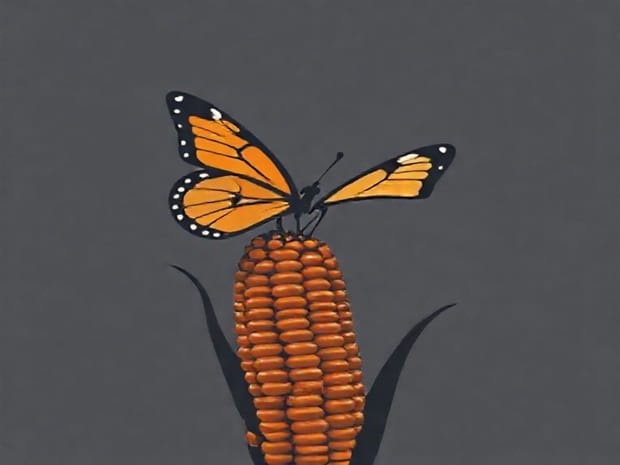
Butterfly On A Corncob
The sight of a butterfly perched delicately on a corncob evokes a unique connection between agriculture and natural beauty, illustrating the harmonious relationship between insects and the plants they interact with. In rural fields, gardens, and farms, butterflies serve as essential pollinators, contributing to the reproduction of flowering plants, while corn, one of the world’s most widely cultivated crops, provides a vital food source for humans and animals. Observing a butterfly on a corncob is more than a simple visual experience; it reflects the complex interactions within ecosystems, the importance of biodiversity, and the subtle ways insects influence agricultural landscapes. This scenario also invites curiosity about the behaviors, lifecycles, and ecological roles of butterflies as they navigate human-modified environments.
The Role of Butterflies in Ecosystems
Butterflies are vital components of ecosystems, acting primarily as pollinators while also serving as indicators of environmental health. Their presence around crops such as corn signals a healthy ecosystem, as they require a balance of nectar sources, host plants for their larvae, and safe habitats to thrive. Although corn itself is wind-pollinated, the surrounding flowering plants attract butterflies, which enhance overall biodiversity and encourage a balanced environment. The interaction of butterflies with agricultural areas exemplifies the interconnectedness of cultivated lands and natural pollinators, highlighting the importance of preserving insect habitats within farmland.
Behavior and Attraction to Corn Fields
Butterflies are attracted to a variety of plants for nectar, egg-laying, and shelter. In cornfields, nearby flowering weeds, wildflowers, or cover crops may serve as nectar sources, indirectly drawing butterflies to the vicinity of corncobs. Additionally, the warmth of sunlit corn leaves and cobs can create microhabitats that butterflies use for basking to regulate their body temperature. The sighting of a butterfly directly on a corncob may also indicate the presence of pollen or sugary exudates from plant tissues, providing small but valuable food sources for these insects. Understanding these behaviors emphasizes the subtle ways butterflies interact with agricultural plants beyond obvious pollination activities.
Butterfly Species Commonly Seen Around Corn
Several butterfly species frequent agricultural landscapes, including cornfields. Monarchs, painted ladies, swallowtails, and cabbage whites are among the most commonly observed species. Each species has unique preferences for nectar and host plants, influencing their distribution and behavior within farmland areas. Monarch butterflies, for instance, are drawn to milkweed planted near fields, which provides food for caterpillars and nectar for adults. Painted ladies and swallowtails seek a variety of flowering plants nearby. The diversity of butterfly species around cornfields reflects both the richness of surrounding habitats and the importance of integrating ecological practices into agriculture.
Lifecycles and Interactions with Crops
Butterflies undergo a four-stage lifecycle egg, larva (caterpillar), pupa (chrysalis), and adult. While adult butterflies feed primarily on nectar, the larval stage often feeds on specific host plants, which may or may not include corn. However, maintaining diverse vegetation in and around cornfields ensures that all lifecycle stages of butterflies have resources for survival. Shelter provided by corn leaves and surrounding plants can offer protection from predators and environmental stresses. Observing a butterfly resting or feeding on a corncob demonstrates how agricultural plants and natural insect behaviors can coincide harmoniously, benefiting both the insects and the farm ecosystem.
Ecological and Agricultural Benefits
While corn does not rely on butterflies for pollination, these insects provide indirect benefits to farmland. Butterflies contribute to the pollination of nearby flowering plants, increasing plant diversity and enhancing the ecological resilience of agricultural landscapes. Higher biodiversity supports natural pest control by attracting predators and parasitoids that regulate insect populations. Additionally, butterfly presence often correlates with pesticide-free or reduced-chemical areas, signaling healthier farming practices. Promoting butterfly habitats around cornfields is therefore both an ecological and agricultural strategy, combining conservation with sustainable crop management.
Conservation and Habitat Enhancement
To encourage butterflies in agricultural areas, farmers and gardeners can implement habitat enhancement strategies. Planting nectar-rich flowers, maintaining hedgerows, reducing chemical pesticide use, and leaving undisturbed areas around fields support butterfly populations. Cornfields bordered by wildflower strips or cover crops create corridors for butterflies and other pollinators, improving biodiversity while sustaining crop productivity. Education about butterfly-friendly practices is also crucial, as it encourages communities to recognize the value of insects within farmland ecosystems. Conservation efforts help ensure that butterflies continue to thrive and interact positively with agricultural landscapes.
Symbolism and Cultural Significance
Beyond ecological roles, butterflies on a corncob carry symbolic and cultural meanings. They are often associated with transformation, beauty, and the ephemeral nature of life due to their metamorphic lifecycle. In agricultural societies, butterflies may be seen as omens of fertile harvests or as indicators of environmental balance. The visual contrast of a delicate butterfly perched on a sturdy corncob embodies the coexistence of fragility and strength, nature and cultivation, capturing the imagination and inspiring artistic representation in literature, photography, and folk art.
Photography and Observation
Documenting butterflies on corncobs provides opportunities for education, scientific study, and artistic expression. Photographers and naturalists can observe behaviors such as feeding, basking, or egg-laying, contributing to knowledge about butterfly ecology and preferences. Citizen science programs often involve recording butterfly sightings to monitor population trends and biodiversity. Observing these interactions promotes awareness of pollinator conservation and highlights the importance of agricultural landscapes in supporting insect life. Every butterfly resting on a corncob tells a story of ecological connection and the intricate web of life in farmland environments.
Challenges Facing Butterflies in Agricultural Areas
Despite their adaptability, butterflies face numerous threats in agricultural landscapes. Habitat loss due to monoculture practices, excessive pesticide use, and land conversion reduces food sources and shelter. Climate change can alter flowering patterns, affecting nectar availability and butterfly migration. Invasive plant species may outcompete native plants that serve as host or nectar sources, disrupting the lifecycle of local butterfly populations. Addressing these challenges requires integrated pest management, habitat restoration, and community engagement to maintain healthy butterfly populations and promote sustainable agricultural ecosystems.
Future Perspectives
Ensuring the continued presence of butterflies around cornfields involves integrating ecological awareness into farming practices. Encouraging native plant buffers, reducing chemical inputs, and monitoring butterfly populations are strategies that benefit both biodiversity and agriculture. Educational initiatives that highlight the interactions between butterflies and crops can foster appreciation for pollinators and inspire sustainable land management. By recognizing the ecological and cultural value of a butterfly resting on a corncob, communities can celebrate the intersection of nature and agriculture while promoting long-term environmental stewardship.
The image of a butterfly perched on a corncob embodies the harmony between nature and agriculture, illustrating the subtle yet meaningful interactions that sustain ecosystems. While corn itself may not require butterfly pollination, the presence of butterflies around fields signifies ecological health, biodiversity, and balanced farming practices. Their behaviors, lifecycles, and interactions with surrounding vegetation contribute to nutrient cycling, natural pest control, and environmental education. Conservation efforts, habitat enhancement, and sustainable agricultural practices ensure that butterflies continue to thrive in farmland environments, enriching both human experiences and ecosystem resilience. Observing a butterfly on a corncob is a reminder of the delicate balance between cultivation and natural life, a small but profound example of the interconnectedness of all living things.