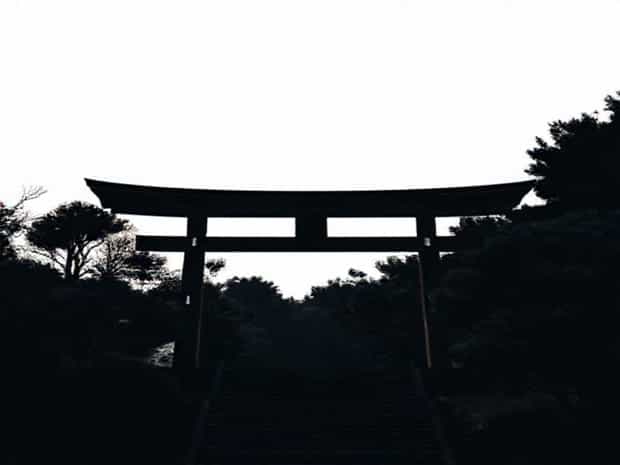
Best Time To Visit Meiji Shrine
Meiji Shrine, located in the heart of Tokyo, is one of Japan’s most significant Shinto shrines, attracting millions of visitors every year. Dedicated to Emperor Meiji and Empress Shoken, the shrine is surrounded by a lush forest that offers a serene escape from the bustling city. Travelers often wonder about the best time to visit Meiji Shrine to fully experience its spiritual atmosphere, beautiful natural surroundings, and cultural significance. Choosing the right season and time of day can greatly enhance your visit, providing a peaceful, immersive experience that combines history, nature, and Japanese tradition.
Understanding Meiji Shrine
Before deciding when to visit, it is helpful to understand the significance of Meiji Shrine. Built in 1920, the shrine honors Emperor Meiji, who was instrumental in Japan’s modernization, and his consort, Empress Shoken. The shrine complex spans 170 acres and includes walking paths, sacred woods, and several smaller shrines. Its location near Harajuku and Yoyogi Park makes it easily accessible while offering a tranquil atmosphere away from Tokyo’s urban hustle.
Architecture and Cultural Importance
The shrine’s architecture is traditional Shinto style, featuring wooden structures, torii gates, and serene gardens. Visitors can witness traditional ceremonies, including weddings and seasonal rituals. Understanding the cultural importance of Meiji Shrine helps visitors appreciate its historical and spiritual value, making the timing of your visit even more meaningful.
Best Seasons to Visit Meiji Shrine
The experience at Meiji Shrine can vary dramatically depending on the season. Each season offers unique visual and atmospheric qualities, influencing the overall enjoyment of your visit.
Spring
Spring is one of the most popular times to visit Meiji Shrine due to the beautiful cherry blossoms that bloom in late March to early April. The surrounding forest and garden areas are filled with soft pink and white flowers, creating a picturesque and tranquil setting. Spring also marks the time of several important Shinto festivals, adding a cultural dimension to your visit.
Summer
Summer at Meiji Shrine offers lush greenery and vibrant natural surroundings. The forested area provides shade, making walking paths comfortable even during warmer months. Early mornings or late afternoons are ideal for visiting during summer to avoid the peak heat of the day. Summer festivals and ceremonies can also provide a lively and engaging experience.
Autumn
Autumn is another ideal season, as the shrine’s trees display stunning fall colors, ranging from deep red to golden yellow. The crisp autumn air enhances the peaceful walk through the forest, and the picturesque landscape makes for excellent photography opportunities. Visiting during autumn allows travelers to enjoy the natural beauty without the heavy crowds typical of cherry blossom season.
Winter
Winter offers a quieter, more introspective experience. The forest is less dense, and the reduced crowds make it easier to enjoy the shrine’s serene ambiance. While the trees may not be in full bloom, the stark beauty of winter adds a different aesthetic charm. Visiting in the early morning or late afternoon during winter can create a mystical and calm atmosphere that is perfect for meditation and reflection.
Optimal Time of Day
The time of day also influences the experience at Meiji Shrine. Early mornings and late afternoons are generally preferred for those seeking tranquility, while midday tends to be busier with tourists and local visitors.
Early Morning
Visiting Meiji Shrine early in the morning, around sunrise, allows travelers to experience the forest and shrine with minimal crowds. The soft morning light filters through the trees, enhancing the natural beauty of the area. This time is particularly ideal for photography, quiet reflection, and enjoying the spiritual atmosphere.
Late Afternoon
Late afternoon visits provide warm, golden sunlight, creating a serene and calming environment. The crowds often thin out by this time, making it easier to navigate the shrine grounds and appreciate the detailed architecture and natural surroundings.
Peak Hours to Avoid
Midday, particularly around noon to early afternoon, tends to be the busiest time at Meiji Shrine. Tour groups, tourists, and local visitors converge, which can make the experience less peaceful. Planning your visit outside these peak hours allows for a more relaxed and enjoyable exploration of the shrine.
Special Events and Festivals
Meiji Shrine hosts several events throughout the year that can enhance your visit. Aligning your trip with these events can provide a unique cultural experience, but it is important to plan ahead due to increased crowds.
New Year Celebrations
The New Year, or Hatsumode, is one of the most significant events at Meiji Shrine, attracting hundreds of thousands of visitors who come to pray for health and good fortune. While this is a vibrant and culturally rich experience, it is extremely crowded, and visiting outside this period may offer a more peaceful visit.
Shinto Festivals
Seasonal Shinto festivals, such as the annual Spring and Autumn festivals, provide an opportunity to witness traditional ceremonies, music, and rituals. These festivals add a dynamic and educational element to your visit, allowing you to experience Japanese culture firsthand.
Tips for Visiting Meiji Shrine
- Wear comfortable walking shoes as the shrine grounds are expansive and require walking through forest paths.
- Bring water and light snacks, especially if visiting during warmer months.
- Respect local customs, including bowing at the torii gates and refraining from loud conversations in sacred areas.
- Consider combining your visit with nearby attractions such as Harajuku and Yoyogi Park for a fuller Tokyo experience.
- Photography is encouraged, but be mindful of ceremonies and private events.
Choosing the best time to visit Meiji Shrine depends on your priorities, whether it is enjoying seasonal beauty, avoiding crowds, or experiencing cultural events. Spring offers cherry blossoms, summer provides lush greenery, autumn brings vibrant foliage, and winter offers a serene, quiet atmosphere. Early mornings and late afternoons are generally the most peaceful times of day, allowing visitors to immerse themselves in the spiritual and natural beauty of the shrine. By planning your visit carefully and considering both seasonal and daily timing, you can make the most of your trip to Meiji Shrine, enjoying a meaningful and memorable experience that combines history, culture, and nature in the heart of Tokyo.