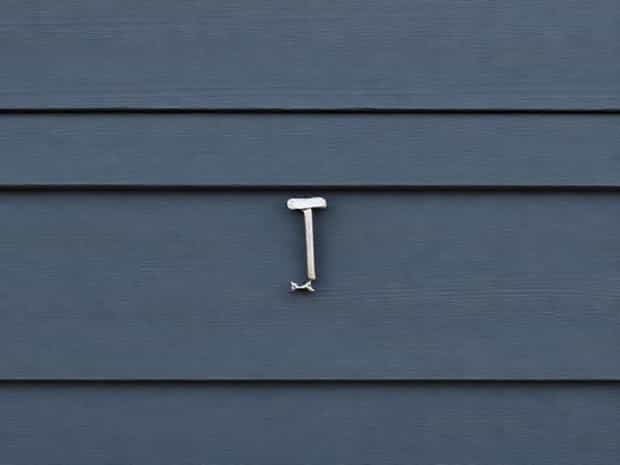
Best Nails For Clapboard Siding
Installing clapboard siding is one of the most effective ways to protect a house while giving it a timeless, classic appearance. However, the long-term durability and look of clapboard siding heavily depend on choosing the right fasteners. Using the best nails for clapboard siding not only ensures proper installation but also prevents damage, splitting, or premature loosening of boards. Because siding is exposed to harsh weather conditions, moisture, and seasonal temperature changes, the choice of nails plays a crucial role in keeping everything secure. Homeowners and builders alike must understand which nail types work best and why certain specifications matter.
What Makes a Good Nail for Clapboard Siding?
Not every nail is suitable for siding installation. The best nails for clapboard siding are those that combine strength, corrosion resistance, and the correct size to secure the boards without causing splitting. The following characteristics are essential
- MaterialNails should be made of stainless steel, hot-dipped galvanized steel, or aluminum to resist rust and corrosion.
- LengthTypically, nails should penetrate at least 1 ¼ inches into the framing or sheathing.
- Head TypeSiding nails often have a smaller head to minimize visibility but still hold the siding firmly.
- Shank DesignSmooth shanks are common, but ring shank nails provide extra holding power in areas prone to wind.
Best Types of Nails for Clapboard Siding
When deciding which fasteners to use, builders generally rely on a few proven options. Each type has unique benefits, and the right choice often depends on climate, siding material, and installation style.
1. Stainless Steel Nails
Stainless steel nails are widely regarded as the best option for clapboard siding, especially in coastal or humid regions. They resist rust even when exposed to salty air and heavy moisture. Although more expensive than other types, stainless steel nails ensure that stains or streaks do not form on siding due to rusting fasteners. For long-lasting performance, many professionals consider stainless steel nails the top choice.
2. Hot-Dipped Galvanized Nails
Hot-dipped galvanized nails are another excellent choice because they are coated with a thick layer of zinc that protects against rust. These nails are more affordable than stainless steel and are strong enough for most environments. However, in coastal areas where salt exposure is high, they may not last as long as stainless steel. Still, for inland homes, galvanized nails offer an effective balance between cost and durability.
3. Aluminum Nails
Lightweight and rust-resistant, aluminum nails are often used for siding installation. While they resist corrosion fairly well, they are not as strong as steel nails and may bend more easily. These are better suited for softer siding materials or areas where extreme weather is not a major concern.
4. Ring Shank Nails
For added holding power, ring shank nails are sometimes preferred. The ridged design along the shank provides extra grip, reducing the risk of boards loosening over time. These nails are especially useful in high-wind areas where siding could otherwise shift or pull away from the structure.
Recommended Nail Sizes for Clapboard Siding
Choosing the correct nail length and diameter is just as important as the material. Too short, and the siding won’t hold properly. Too long, and nails may split the boards or damage the framing.
- LengthGenerally between 1 ¾ inches and 2 ½ inches, depending on siding thickness.
- DiameterA thin shank helps reduce splitting but must be thick enough to hold securely.
- PlacementNails should penetrate at least 1 ¼ inches into solid wood framing or sheathing.
Installation Best Practices
Even with the best nails for clapboard siding, poor installation can lead to future problems. Following best practices ensures siding stays intact and looks professional
- Always nail through the thick part of the clapboard to avoid splitting.
- Do not overdrive nails; the head should sit flush, not sunk into the wood.
- Leave slight room for wood expansion and contraction with seasonal changes.
- Space nails properly usually one nail per board per stud to prevent cupping.
- Use corrosion-resistant nails to avoid staining or rust streaks on siding.
Common Mistakes to Avoid
Improper nail selection or installation can lead to issues that shorten the lifespan of siding. Here are mistakes to avoid
- Using interior nails instead of exterior-grade nails.
- Choosing electro-galvanized nails, which corrode quickly outdoors.
- Driving nails too tightly, which restricts wood movement and causes cracks.
- Neglecting climate conditions when selecting nail materials.
Best Nail Guns and Tools for Clapboard Siding
While hammering nails by hand is possible, many professionals prefer using siding nailers for speed and consistency. When using a nail gun, it is critical to adjust depth settings to avoid overdriving. Pneumatic nailers with compatible siding nails can save time and reduce hand fatigue while ensuring uniform installation across large surfaces.
Manual Hammering vs. Nail Gun
Both methods have advantages. Hammering offers precision and control, making it easier to prevent overdriving. Nail guns, however, speed up the job considerably and ensure consistency, which is particularly helpful for larger homes or professional projects. The choice often depends on the installer’s preference and experience.
Climate Considerations for Nail Selection
The environment where the house is located has a direct impact on which nails will perform best
- Coastal AreasStainless steel nails are the best choice because they resist saltwater corrosion.
- Humid or Rainy ClimatesHot-dipped galvanized or stainless steel nails help prevent rusting.
- Dry Inland RegionsGalvanized nails usually perform well and are more cost-effective.
Long-Term Maintenance
Even when using the best nails for clapboard siding, maintenance plays a role in keeping the siding intact. Inspect siding regularly for loose boards or rust stains. If nails start showing signs of corrosion, replace them promptly to prevent damage. Repainting or sealing wood siding every few years also helps protect nails and boards from moisture intrusion.
Cost of Nails for Clapboard Siding
The price of nails varies depending on material and type. Stainless steel nails are generally the most expensive but offer the greatest durability. Galvanized nails are more budget-friendly while still offering strong performance. Aluminum nails fall somewhere in between but are less common for heavy-duty use. When considering overall siding investment, spending slightly more on high-quality nails pays off in long-term durability and fewer repairs.
Choosing the best nails for clapboard siding is a critical step in ensuring both durability and appearance. Stainless steel nails stand out as the premium choice, especially for coastal or humid regions, while hot-dipped galvanized nails provide excellent performance for most other areas. Aluminum and ring shank nails have their place as well, depending on siding needs and climate conditions. By combining the right type of nail with proper installation practices, homeowners and builders can ensure clapboard siding remains secure, attractive, and long-lasting for years to come.