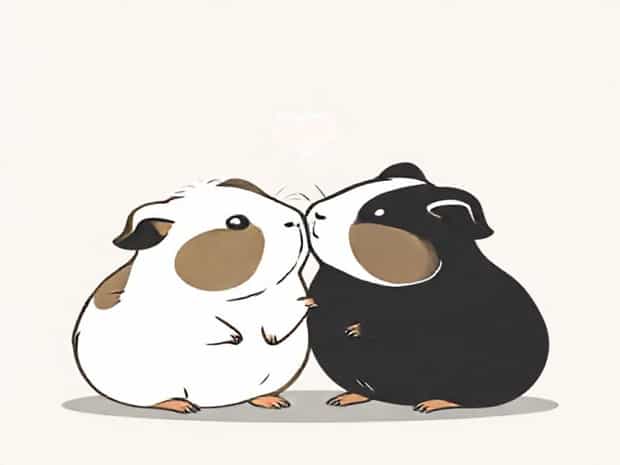
Are Guinea Pigs Affectionate
Guinea pigs are often celebrated for their gentle, social, and endearing personalities, making them popular pets for families and animal enthusiasts alike. While these small rodents are not typically as overtly affectionate as dogs or cats, they do display unique forms of attachment and emotional bonding with their human caregivers. Understanding whether guinea pigs are affectionate involves observing their behavior, learning their communication cues, and providing proper care that encourages trust and connection. Affection in guinea pigs manifests differently from other pets, and recognizing their signs can deepen the bond between owner and pet.
Do Guinea Pigs Show Affection?
Yes, guinea pigs can be affectionate, but their affection is often subtle and may require careful observation to interpret. Unlike dogs, who may wag their tails or jump with excitement, guinea pigs demonstrate affection through quieter and gentler behaviors. They seek attention, enjoy interaction, and develop bonds with their owners when treated with patience, care, and respect.
- Approaching the OwnerA guinea pig that frequently comes to the front of the cage or follows your movements is showing trust and curiosity.
- Purring SoundsGentle purring or rumbling noises often indicate contentment and comfort around humans.
- PopcorningSudden, joyful jumps or bounces, known as popcorning, are signs of excitement and happiness, often in response to interaction.
- Sniffing and NuzzlingGuinea pigs often sniff hands or nuzzle their owners to explore and express affection.
Recognizing these signs can help owners identify when a guinea pig feels secure and affectionate, fostering a stronger connection.
Factors That Influence Affection in Guinea Pigs
Several factors affect how affectionate a guinea pig can be, including genetics, early socialization, and the environment provided by the owner. Understanding these factors helps in creating a nurturing environment that encourages bonding and affectionate behavior.
- Genetics and BreedSome guinea pig breeds are naturally more social and interactive. For example, Abyssinians and American guinea pigs often exhibit higher levels of sociability and curiosity.
- Early SocializationGuinea pigs that are handled gently and frequently from a young age tend to be more trusting and affectionate toward humans.
- Safe and Comfortable EnvironmentProviding a clean, spacious cage with hiding spots, bedding, and toys reduces stress and encourages positive interactions.
- Consistency and RoutineRegular feeding times and predictable interactions build trust and encourage affectionate behavior over time.
Owners who understand and respect these factors often experience more rewarding and affectionate interactions with their guinea pigs.
How to Encourage Affection in Guinea Pigs
While some guinea pigs are naturally more social, all can develop affectionate behaviors with proper care and attention. Encouraging affection involves patience, gentle handling, and positive reinforcement.
- Gentle HandlingApproach slowly, speak softly, and handle your guinea pig with care to avoid startling them.
- Regular InteractionSpending time daily with your guinea pig, offering treats, and talking to them helps build trust.
- Interactive PlayAllowing supervised exploration outside the cage in a safe environment encourages curiosity and bonding.
- Positive ReinforcementReward calm and friendly behavior with small treats or soft praise to encourage affectionate tendencies.
- Understanding Body LanguageLearning guinea pig signals, such as relaxed posture, soft vocalizations, or nuzzling, helps owners respond appropriately to foster affection.
Consistent care and attention can transform a timid guinea pig into a friendly and affectionate companion.
Signs of Affection in Guinea Pigs
Affectionate behavior in guinea pigs may vary, but several common signs indicate that a guinea pig is bonding with their owner
- Following you around their cage or during playtime.
- Nuzzling your hands or fingers when you offer treats.
- Relaxing or lying down near you, showing trust and comfort.
- Responding to your voice with vocalizations like gentle squeaks or purring sounds.
- Popcorning or hopping excitedly during positive interactions.
Understanding these signs helps owners identify and appreciate the subtle ways guinea pigs express affection.
Challenges in Recognizing Affection
Guinea pigs are prey animals by nature, and their cautious instincts can make their affection appear subtle or inconsistent. Some challenges in recognizing affection include
- Shyness or TimiditySome guinea pigs may take longer to trust humans and may hide or freeze during initial interactions.
- Stress FactorsLoud noises, sudden movements, or unfamiliar environments can cause temporary withdrawal from affectionate behaviors.
- Individual PersonalityJust like humans, guinea pigs have unique personalities; some may naturally be more reserved, while others are outgoing.
Patience, consistent interaction, and understanding these challenges are essential for fostering a trusting and affectionate bond.
Benefits of Affectionate Guinea Pigs
Having an affectionate guinea pig provides numerous emotional and psychological benefits for their owners. These small pets can enhance overall well-being through companionship, stress relief, and emotional support.
- Emotional ConnectionBonding with an affectionate guinea pig offers comfort and companionship.
- Stress ReductionInteracting with a calm and friendly guinea pig can lower stress levels and promote relaxation.
- Responsibility and RoutineCaring for a guinea pig encourages routine, responsibility, and a sense of purpose, particularly for children and families.
- Social InteractionObserving and responding to their subtle affectionate behaviors enhances empathy and understanding of animal communication.
These benefits highlight the importance of nurturing a positive, affectionate relationship with a guinea pig, emphasizing that their subtle expressions of love are valuable and meaningful.
Guinea pigs are affectionate creatures, but their displays of affection are often subtle and require attentive observation. Through gentle handling, consistent interaction, and a safe environment, guinea pigs can develop strong bonds with their owners, demonstrating trust and attachment in various ways, including nuzzling, vocalizations, and playful behaviors. Understanding their body language, personality, and unique communication methods allows owners to recognize and foster affectionate behavior. While they may not express affection as overtly as dogs or cats, the emotional connection with an affectionate guinea pig is rewarding, providing companionship, comfort, and joy for owners who invest time and care into building a trusting relationship.