Another Name For A Mortarboard Is A
Graduation ceremonies are filled with traditions that symbolize achievement, learning, and the transition to a new stage of life. One of the most recognizable symbols of these events is the flat, square-shaped academic cap often seen on students and professors. Commonly called a mortarboard, this iconic cap actually goes by several different names that reflect its history and cultural significance. Understanding another name for a mortarboard, along with its origins and symbolism, helps explain why it continues to hold such a special place in the world of education.
What Is a Mortarboard?
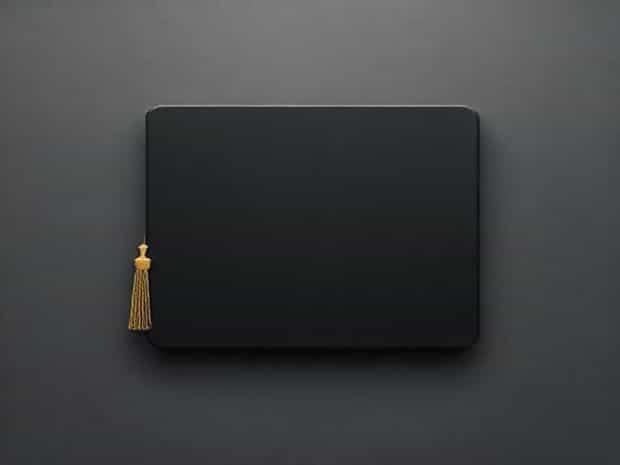
A mortarboard is an academic cap featuring a flat, square board attached to a skullcap, usually accompanied by a tassel that hangs from the center. It is traditionally worn at graduation ceremonies in schools and universities around the world. The design is said to resemble the tool used by bricklayers to hold mortar, which is how the cap got its name. Despite being called a mortarboard, this cap has other names that carry cultural and academic importance.
Another Name for a Mortarboard
Another common name for a mortarboard is the academic cap. This term emphasizes its role within educational institutions and distinguishes it from everyday headwear. The academic cap is not just a piece of clothing; it is a marker of scholarly achievement. Depending on the region and tradition, other terms are also used, such as
- Graduation cap– Frequently used in everyday language, especially in North America.
- Square cap– Refers to the square shape of the board on top of the cap.
- Oxford cap– Highlights its association with British academic traditions, particularly the University of Oxford.
All of these names point to the same object but highlight different aspects, whether its shape, its purpose, or its academic roots.
Historical Origins of the Academic Cap
The mortarboard traces its history back to medieval Europe, where scholars and clerics wore distinctive head coverings. The design is thought to have evolved from the biretta, a square cap worn by Roman Catholic clergy. Over time, as universities grew in prominence, the cap became a standard part of academic regalia. The use of the term Oxford cap underscores how important British universities were in shaping this tradition.
The Link to Medieval Scholars
In medieval times, scholars were often connected with the church, and their clothing reflected that. The biretta and later versions of the square cap symbolized intellectual authority. By adopting this cap, universities established a visible connection between scholarship and tradition, a connection that remains strong today.
Symbolism of the Mortarboard
Beyond its appearance, the mortarboard carries deep symbolic meaning. It represents learning, achievement, and the effort required to reach educational milestones. The tassel, often moved from one side to the other during graduation, symbolizes the student’s transition from candidate to graduate.
Why the Square Shape Matters
The square shape has also been interpreted as a symbol of stability, balance, and equality. Just as the square is a shape of order and structure, the academic cap represents the structured journey of education leading to knowledge and personal growth.
Modern Usage of the Graduation Cap
Today, the mortarboard or academic cap is worn at all levels of graduation, from high school to advanced university degrees. While it is commonly black, some institutions use colored tassels or caps to signify different disciplines or ranks. This tradition continues to connect modern graduates with centuries of academic heritage.
Variations Across Countries
Although the mortarboard is widespread, not every country uses the same style. In some European institutions, alternative headgear such as soft caps or traditional gowns may be more common. However, the term graduation cap is widely understood across cultures, making it the most accessible alternative name for a mortarboard.
Cultural References and Popularity
Another name for a mortarboard that has gained popularity is simply cap. In popular culture, when people refer to cap and gown, they are referring to the full graduation outfit. Movies, television shows, and photographs often highlight the graduation cap as a universal symbol of academic achievement. Its strong cultural presence means that nearly everyone, regardless of their background, recognizes it immediately.
Practical Reasons Behind the Design
While the symbolism is important, the design also has practical roots. The flat top provides a convenient surface for balancing small objects, which is why some graduates decorate their caps with messages, designs, or artwork. This personalization has become a modern tradition, allowing students to express individuality during a formal ceremony.
Frequently Asked Questions
Is a mortarboard the same as a graduation cap?
Yes, the term graduation cap is another name for a mortarboard, especially in everyday conversation.
Why is it called a mortarboard?
It is named after the tool used by masons to hold mortar because of its similar flat, square shape.
Do all graduates wear mortarboards?
Most schools and universities use mortarboards, but some institutions have their own unique academic caps or traditions.
The mortarboard, whether referred to as an academic cap, graduation cap, square cap, or Oxford cap, remains one of the most recognizable symbols of education worldwide. Its origins in medieval scholarship, its symbolic meaning of achievement, and its widespread use at graduation ceremonies ensure that it continues to be an important part of academic culture. Knowing another name for a mortarboard not only broadens understanding of academic traditions but also highlights the enduring value of education in society.