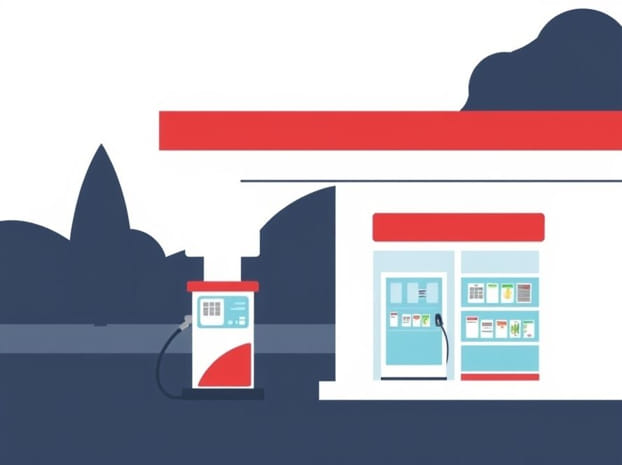
Gas Station Convenience Store
Gas station convenience stores have become an integral part of modern life, providing motorists and local communities with a range of products and services beyond just fuel. These stores combine the functionality of a fueling station with the convenience of a retail outlet, offering snacks, beverages, groceries, automotive supplies, and often prepared foods. The concept has evolved significantly over the years, and today, gas station convenience stores serve as hubs of accessibility and efficiency for busy consumers, travelers, and commuters. Understanding their operations, offerings, and benefits provides insight into why these establishments are so popular and essential in urban and rural settings alike.
History and Evolution of Gas Station Convenience Stores
The concept of the gas station convenience store emerged in the mid-20th century as fueling stations began to expand their offerings beyond gasoline. Initially, these stations focused on automotive needs, such as oil, lubricants, and minor vehicle repairs. Over time, retailers recognized the potential to attract customers by providing convenience items, transforming the traditional service station into a multipurpose retail hub. Today, these stores blend the efficiency of a fuel station with the appeal of a quick-stop shopping experience, catering to diverse customer needs.
Key Features of Modern Gas Station Convenience Stores
- Fuel ServicesGasoline, diesel, and alternative fuels such as electric charging stations for electric vehicles.
- Retail ProductsSnacks, beverages, bottled water, packaged foods, personal care items, and over-the-counter medications.
- Automotive SuppliesMotor oil, windshield washer fluid, car accessories, and small maintenance tools.
- Prepared FoodsHot coffee, sandwiches, baked goods, and microwavable meals for on-the-go consumption.
- Payment and Loyalty ProgramsIntegration of credit card systems, mobile payments, and loyalty rewards to encourage repeat visits.
Operational Strategies of Gas Station Convenience Stores
To maximize profitability and customer satisfaction, gas station convenience stores employ various operational strategies. Efficient inventory management ensures that high-demand products are always available while minimizing waste. Many stores leverage point-of-sale data to track consumer preferences and adjust stock accordingly. Additionally, strategic store layout and product placement influence purchasing behavior, encouraging impulse buys of snacks, beverages, and automotive essentials. Staffing and customer service play a critical role in maintaining a welcoming environment and ensuring smooth operations, especially during peak traffic periods.
Marketing and Customer Engagement
Gas station convenience stores utilize targeted marketing strategies to attract and retain customers. Promotions such as fuel discounts tied to in-store purchases, seasonal campaigns, and loyalty programs enhance customer engagement. Social media and digital platforms are increasingly used to communicate offers, introduce new products, and gather customer feedback. In competitive markets, branding and store aesthetics are also key factors, helping stores differentiate themselves from nearby competitors and large retail chains.
Benefits of Gas Station Convenience Stores
The integration of retail and fuel services provides multiple benefits for both consumers and store operators
- ConvenienceConsumers can refuel their vehicles and purchase essential items in a single stop, saving time and effort.
- AccessibilityGas station convenience stores are often located along major highways and urban centers, providing easy access for travelers and commuters.
- Diverse OfferingsFrom quick snacks to automotive supplies, these stores cater to a wide range of needs, making them versatile retail hubs.
- Economic OpportunityThey create jobs for local communities and generate revenue for fuel companies and franchise owners.
Challenges Faced by Gas Station Convenience Stores
Despite their popularity, these stores face several challenges in a competitive retail environment. Fluctuating fuel prices can impact overall profitability, and high competition from supermarkets, big-box retailers, and specialized convenience chains requires continuous innovation. Security and theft prevention are also concerns, given the combination of cash handling and valuable merchandise. Additionally, maintaining a consistent quality of food service, cleanliness, and customer experience is crucial for retaining customer loyalty.
Future Trends in Gas Station Convenience Stores
The future of gas station convenience stores is shaped by evolving consumer behaviors, technology, and sustainability trends. Increasing demand for electric vehicle charging stations is prompting some stores to integrate renewable energy sources and fast-charging infrastructure. Automated checkout systems, mobile ordering, and digital payment solutions are enhancing the shopping experience by reducing wait times. Additionally, a growing focus on healthier food options, locally sourced products, and environmentally friendly practices reflects changing consumer priorities. By adapting to these trends, gas station convenience stores can continue to thrive in a dynamic retail landscape.
Integration with Technology
Technology plays a pivotal role in streamlining operations and improving customer engagement. Inventory management software allows for precise tracking of stock levels and automated reordering, minimizing shortages and overstock issues. Mobile apps can provide real-time information on fuel prices, promotions, and store locations. Furthermore, data analytics helps store operators understand purchasing patterns and optimize product placement to boost sales. Contactless payment options and self-checkout kiosks are increasingly common, enhancing convenience and safety for customers.
Gas station convenience stores have evolved from simple fuel stations to multifaceted retail hubs, providing a wide array of products and services for consumers on the go. Their strategic locations, diverse offerings, and integration of technology make them indispensable in modern urban and highway environments. While challenges such as competition and operational costs exist, adapting to consumer trends, embracing digital solutions, and focusing on customer satisfaction ensure continued growth and relevance. Understanding the dynamics of gas station convenience stores offers valuable insights into retail innovation, consumer behavior, and the intersection of transportation and commerce.
“