How Deep Is Lake Okeechobee
Lake Okeechobee, often called Florida’s inland sea, is one of the most remarkable freshwater lakes in the United States. Its vast size, ecological importance, and role in the state’s water system make it a subject of fascination for locals, tourists, and researchers alike. Many people wonder about its depth, since its wide expanse might suggest great underwater mysteries. However, the depth of Lake Okeechobee is not what many expect, and understanding it reveals much about the history, geography, and ecology of Florida’s largest freshwater body.
Understanding the Depth of Lake Okeechobee
Despite its massive surface area of about 730 square miles, Lake Okeechobee is surprisingly shallow. On average, the lake is around 9 feet deep, although this can vary with rainfall, droughts, and water management practices. At its deepest points, it rarely exceeds 12 to 14 feet. This shallow depth is one of the defining characteristics of the lake, distinguishing it from deeper natural lakes in other regions of the country.
Why the Depth Matters
The depth of Lake Okeechobee is critical for several reasons. It influences water quality, fish populations, and vegetation growth. Because the lake is shallow, sunlight can easily penetrate the water, which promotes aquatic plant growth. At the same time, shallowness also makes the lake more vulnerable to changes in weather patterns. Heavy rains can quickly raise water levels, while prolonged droughts can reduce them dramatically.
Geological Formation of the Lake
Lake Okeechobee was formed thousands of years ago, shaped by geological and climatic changes in the Florida peninsula. Its shallow nature is a direct result of the flat terrain of southern Florida. Unlike lakes formed by glaciers or tectonic activity that create deep basins, Lake Okeechobee sits in a broad, low-lying depression. This explains why its surface area is so large, but its depth remains limited.
Comparison to Other Lakes
To put Lake Okeechobee’s depth into perspective, consider the Great Lakes, where depths can reach hundreds of feet. Even smaller lakes in mountainous regions often have much greater depths. Yet, Lake Okeechobee’s shallowness does not make it less significant. Its size and ecological role are immense, making it a vital feature of Florida’s landscape despite its modest depth.
Seasonal and Weather Impacts on Depth
The depth of Lake Okeechobee is not constant. It changes depending on the season and rainfall patterns. During wet seasons, such as the summer months when tropical storms and hurricanes bring heavy rains, the lake’s water level rises. In contrast, during dry seasons, the water level recedes, sometimes exposing large stretches of lakebed.
Hurricane Influence
Hurricanes play a significant role in shaping the water levels of Lake Okeechobee. Storm surges and rainfall can cause sudden increases in depth, which may lead to flooding of surrounding communities if not managed properly. This is one reason why the Herbert Hoover Dike, a protective barrier around the lake, was built to safeguard nearby towns and farmland.
Human Management of Water Levels
Because Lake Okeechobee is such an important part of Florida’s water system, its depth and water levels are carefully managed by authorities. The U.S. Army Corps of Engineers oversees the regulation of the lake’s water to prevent flooding, support agriculture, and supply water for urban use. This management often involves releasing water into surrounding rivers and canals, especially during times when the lake’s depth rises too high.
Impact on Communities
The communities around Lake Okeechobee rely on its water not only for drinking and irrigation but also for recreation and tourism. Fishing, boating, and birdwatching all depend on a healthy balance of water depth and quality. If the lake becomes too shallow, fish habitats may be disrupted, while excessive depth due to flooding poses risks for homes and farms.
Ecological Significance of Shallow Depth
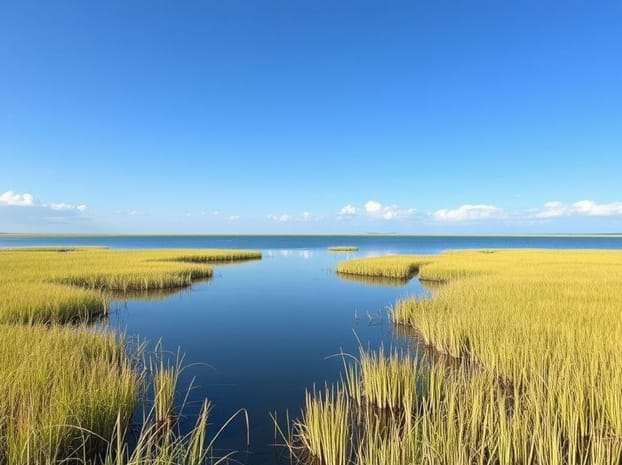
Lake Okeechobee’s shallow waters create a unique ecological environment. Because light reaches much of the lakebed, aquatic plants thrive, providing shelter and food for fish and other wildlife. This supports one of the richest freshwater fisheries in the United States, making the lake a popular destination for anglers seeking bass, crappie, and other species.
Wildlife and Habitat
The lake also serves as a critical habitat for birds such as herons, egrets, and snail kites. Its wetlands and marshy borders, fed by the shallow waters, are essential for maintaining biodiversity. The shallow depth allows these wetlands to function as natural filters, improving water quality and supporting ecological balance.
Challenges Associated with Shallow Depth
While the shallowness of Lake Okeechobee provides ecological benefits, it also poses challenges. Sediment stirred up by wind can cause water to become murky, affecting both aquatic life and water quality. Nutrient runoff from agriculture around the lake also settles in its shallow basin, sometimes leading to harmful algal blooms that threaten wildlife and human health.
Climate Change Concerns
Climate change adds another layer of complexity to managing Lake Okeechobee’s depth. Rising sea levels, changing rainfall patterns, and stronger storms may all influence the lake in the future. Ensuring that its shallow depth continues to support both people and ecosystems requires careful planning and sustainable practices.
Recreational Perspective on Depth
For those who visit Lake Okeechobee, its shallow nature is part of the experience. Boating across the lake reveals wide-open waters that seem endless, but the knowledge that the lake is not particularly deep surprises many. Fishermen, in particular, benefit from the shallow depth, as fish are often easier to locate in such environments. Tourists also enjoy hiking and cycling along the levees that border the lake, offering views of this vast but shallow freshwater expanse.
Popular Activities
- Fishing for largemouth bass and crappie
- Birdwatching in the surrounding marshes
- Boating and kayaking across shallow waters
- Hiking and biking along the Herbert Hoover Dike trail
So, how deep is Lake Okeechobee? The answer is that it is shallow compared to most large lakes, with an average depth of about 9 feet. This depth shapes its ecology, influences its role in Florida’s water system, and impacts the lives of the communities around it. While shallow, it remains one of the most important natural resources in the state. Its vast surface area and ecological richness more than compensate for its lack of great depth, making Lake Okeechobee a unique and vital feature of Florida’s environment.