Yellow Headed Blackbird Habitat
The Yellow-headed Blackbird is a striking and highly recognizable bird species, known for its bright yellow head and chest contrasting with a black body. Native to North America, this bird is closely associated with wetland ecosystems, where it thrives in marshes, ponds, and freshwater habitats. Understanding the Yellow-headed Blackbird habitat is essential for conservation, as these birds rely on specific environmental conditions for breeding, feeding, and survival. Their habitat preferences, behavior, and seasonal movements reflect the intricate balance of wetland ecosystems and highlight the importance of protecting these areas for wildlife biodiversity.
Physical Characteristics of the Yellow-headed Blackbird
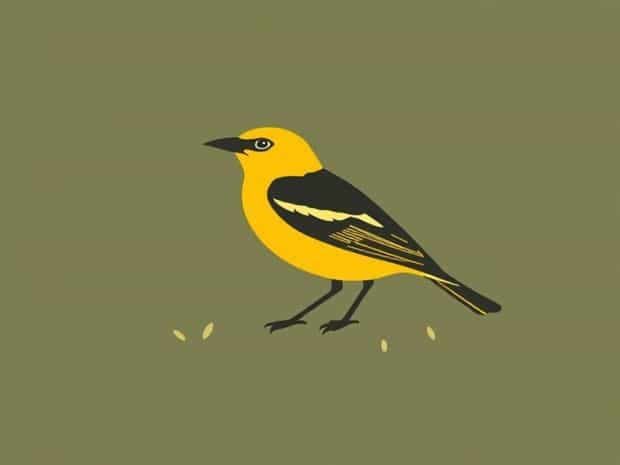
Yellow-headed Blackbirds are medium-sized passerines, measuring about 8 to 10 inches in length with a wingspan of 14 to 17 inches. Males are particularly striking, featuring a bright yellow head and chest, a black body, and white wing patches that are visible during flight. Females are duller in color, with olive-brown plumage and subtle yellow highlights. Both sexes have pointed bills adapted for foraging and strong legs for perching on reeds and other wetland vegetation.
Adaptations to Habitat
The plumage and body structure of the Yellow-headed Blackbird are well adapted to marshy and wetland environments. The males’ vivid yellow coloration plays a role in territorial displays and mating rituals, while the females’ muted tones provide camouflage during nesting. Their long legs and strong feet enable them to move through dense reeds and cattails, and their sharp, pointed beak allows them to feed efficiently on seeds and insects found in wetlands.
Preferred Habitat Types
Yellow-headed Blackbirds are closely associated with wetlands, particularly freshwater marshes with dense emergent vegetation. They prefer habitats dominated by cattails, bulrushes, and reeds, which provide ideal sites for nesting and protection from predators. These wetlands offer abundant food resources, including insects, seeds, and small aquatic animals, making them essential for survival during the breeding season. They are also occasionally found in agricultural fields, especially during migration, where they forage for grains and seeds.
Marshes and Wetlands
Freshwater marshes are the primary habitat for Yellow-headed Blackbirds. The dense vegetation provides excellent nesting sites and protection from predators, while open water areas facilitate foraging. Nesting usually occurs in clusters, with males defending territories within the marsh. The proximity to water is crucial, as it supports a rich abundance of insects and other prey for both adults and chicks.
- Cattail and bulrush marshes are preferred for nesting.
- Shallow freshwater ponds provide foraging opportunities.
- Dense emergent vegetation offers protection from predators.
- Wetlands support both breeding and feeding requirements.
Breeding Habitat and Nesting
During the breeding season, Yellow-headed Blackbirds are highly selective about their nesting habitats. They build nests anchored to sturdy cattails or reeds above water, which reduces the risk of predation from ground-based threats. Males establish territories and display prominently from perches to attract females. The female constructs the nest using reeds, grasses, and other plant materials, ensuring a secure environment for her eggs. This choice of habitat is critical for reproductive success, as it provides both food and safety for the young birds.
Colony Nesting Behavior
Yellow-headed Blackbirds often nest in colonies, sometimes with dozens or even hundreds of nests close together. Colony nesting provides safety in numbers, reduces individual predation risk, and allows efficient foraging within a localized area. The marsh environment, with its dense vegetation and proximity to water, facilitates this social behavior while maximizing access to food and minimizing exposure to predators.
Seasonal Movements and Migration
Yellow-headed Blackbirds are migratory in many parts of their range. During the breeding season, they occupy northern wetlands in Canada and the northern United States. In winter, they migrate south to the southern United States and Mexico, where they inhabit open fields, agricultural lands, and more temperate wetlands. Migration allows them to exploit seasonal resources and avoid harsh winter conditions in northern habitats.
Wintering Habitat
In their wintering grounds, Yellow-headed Blackbirds are often found in open agricultural areas, rice fields, and wet grasslands. These environments provide ample food sources, including grains and seeds, which sustain the birds until they return north for breeding. The ability to adapt to a range of habitats outside the breeding season is crucial for their survival and overall population stability.
Diet and Foraging Behavior
The Yellow-headed Blackbird’s habitat directly influences its diet and foraging habits. In marshes, they feed on insects, aquatic invertebrates, and seeds from wetland plants. During winter or migration, they consume grains and seeds from agricultural fields. Foraging is often performed from perches on cattails or other vegetation, allowing the birds to survey the area for prey or food resources before swooping down to capture it. Their diet flexibility is an important adaptation to seasonal changes in habitat availability and food abundance.
- Primary diet includes insects, seeds, and small aquatic animals.
- Foraging often occurs from elevated perches above the marsh.
- Winter diet shifts to grains and agricultural seeds.
- Habitat diversity ensures access to food year-round.
Conservation of Yellow-headed Blackbird Habitat
The survival of Yellow-headed Blackbirds is closely tied to the conservation of wetland habitats. Wetland drainage, pollution, and urban development pose significant threats to breeding and foraging areas. Protecting marshes, restoring degraded wetlands, and maintaining water quality are essential measures for supporting healthy populations. Conservation programs often focus on habitat preservation and public awareness to ensure that these iconic birds continue to thrive across North America.
Threats to Habitat
Loss of wetland habitats due to human activities such as agriculture, construction, and water diversion is the primary threat to Yellow-headed Blackbirds. Invasive plant species can also alter wetland ecosystems, making them less suitable for nesting. Climate change, resulting in altered precipitation patterns and water levels, may further impact the availability and quality of wetland habitats.
The Yellow-headed Blackbird is a remarkable species that depends heavily on wetland habitats for breeding, feeding, and survival. From dense marshes with cattails and bulrushes to agricultural fields during migration, these birds demonstrate remarkable adaptability while remaining closely tied to specific habitat features. Conserving wetlands and protecting natural habitats are essential for maintaining healthy populations of Yellow-headed Blackbirds. Understanding their habitat requirements, behavior, and ecological role highlights the importance of wetlands and the critical need to safeguard these environments for the future of this striking and ecologically significant bird.