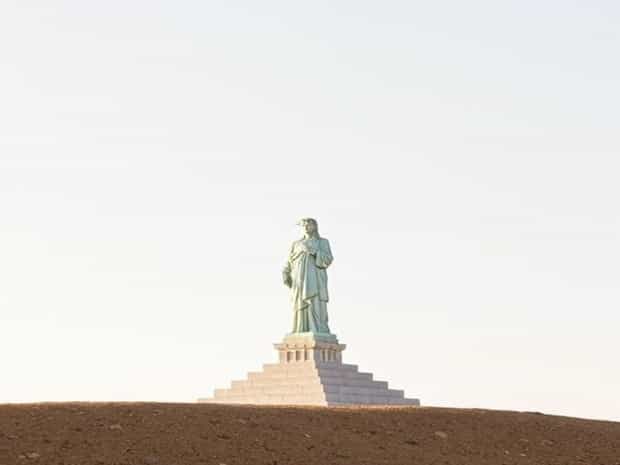
What Does The Word Statuesque Mean?
The word statuesque is a descriptive term in English that immediately evokes an image of elegance, poise, and commanding presence. It is often used to describe a person, usually a woman, who possesses a tall, graceful, and dignified appearance reminiscent of a classical statue. Statuesque conveys more than just physical beauty; it also suggests a sense of strength, composure, and artistic perfection. This word is frequently found in literature, fashion, and media to highlight individuals whose appearance or bearing is striking and impressive. Understanding what statuesque means, its origins, and proper usage can enhance descriptive language and improve both writing and speaking skills.
The Definition of Statuesque
Statuesque is an adjective that describes someone who has the qualities of a statue, particularly in terms of height, elegance, and beauty. The term often implies a calm and dignified presence, as if the person could remain poised and still, much like a carefully sculpted figure. While the word is commonly applied to physical appearance, it can also metaphorically suggest composure, grace, and refinement in behavior.
Physical Characteristics of Being Statuesque
When someone is described as statuesque, certain physical traits are often implied
- Tall and well-proportioned body structure.
- Elegant posture and graceful movements.
- Distinct facial features with symmetry and definition.
- A commanding presence that draws attention without effort.
These traits combine to create an image of someone who stands out due to both appearance and bearing.
Origins of the Word Statuesque
The term statuesque derives from the word statue, which comes from the Latin statua, meaning a standing figure or image. The suffix -esque means in the style of or resembling. Together, the word literally means resembling a statue. Over time, it has evolved to describe not only literal likeness to a statue but also qualities of beauty, dignity, and composure that evoke admiration.
Examples of Statuesque in Sentences
Seeing statuesque used in sentences helps clarify its meaning and context. Here are some examples
- She entered the room with a statuesque elegance that captured everyone’s attention.
- The model’s statuesque figure made her perfect for the high-fashion runway.
- He admired her statuesque posture, which reflected both confidence and grace.
- The actress appeared statuesque in her evening gown, exuding timeless beauty.
In each example, the word emphasizes height, elegance, and commanding presence, often in a positive and admiring way.
Statuesque in Literature and Media
Writers and journalists often use the word statuesque to create vivid imagery. In literature, it allows authors to convey not only physical appearance but also the character’s composure and social presence. Similarly, media outlets may use the term to describe celebrities, models, or public figures who embody grace and elegance.
Examples in Storytelling
- The queen’s statuesque figure and regal demeanor made her a symbol of authority and grace.
- In the novel, the heroine was described as statuesque, her movements precise and her expression serene.
- Fashion magazines often highlight statuesque models who set trends with their poise and stature.
These examples show that statuesque conveys more than just appearance; it communicates a sense of admiration, refinement, and composure.
Synonyms and Related Words
Several words share similar meanings or can be used to describe someone statuesque, depending on context
- Elegant – emphasizes graceful appearance and movements.
- Regal – conveys royal dignity and commanding presence.
- Graceful – focuses on smooth, harmonious movement.
- Tall – describes height, often paired with elegance.
- Imposing – suggests a presence that commands respect or attention.
Each synonym highlights a specific aspect of the statuesque quality, from physical height to poise and social impression.
Statuesque in Everyday Life
The term is commonly applied in everyday life to describe people who stand out due to their appearance or demeanor. While often used for women, it can also describe men who possess a strong, elegant presence. Being statuesque is not limited to physical beauty; it encompasses confidence, posture, and the ability to command attention naturally.
Practical Examples
- A teacher standing confidently in front of a classroom might be described as statuesque if she carries herself with grace.
- An athlete with a tall and well-proportioned frame may appear statuesque on the field.
- During formal events, attendees with elegant attire and poised behavior are often referred to as statuesque.
These everyday examples show that statuesque is both literal and metaphorical, highlighting both appearance and composure.
The Psychological and Social Impact of Being Statuesque
People who are statuesque often attract admiration, respect, and attention. This can influence social interactions, professional opportunities, and personal confidence. The statuesque quality communicates self-assuredness, and those who possess it may be perceived as leaders or figures of influence. However, it is important to recognize that statuesque does not necessarily indicate personality traits beyond physical presence it is primarily descriptive of how a person appears and carries themselves.
Using Statuesque in Writing and Communication
In writing and speech, statuesque can be a powerful tool to evoke imagery and admiration. Here are some tips for using it effectively
- Pair it with descriptive verbs or adjectives to highlight movement or presence.
- Use it to create a contrast between characters or settings, emphasizing elegance or composure.
- Apply it metaphorically to convey strength, dignity, or refinement beyond physical appearance.
- Consider context carefully, as the term is usually complimentary and formal in tone.
The word statuesque describes someone who embodies elegance, height, and commanding presence, reminiscent of a finely crafted statue. It conveys not only physical beauty but also composure, dignity, and refinement. Used in literature, media, and everyday speech, the word highlights admiration for a person’s appearance and poise. Understanding its meaning, synonyms, and context allows speakers and writers to describe individuals vividly and effectively. Whether applied to models, public figures, or individuals in everyday life, statuesque captures the essence of grace and presence, combining both visual and emotional impact. By using the word thoughtfully, one can create imagery that conveys strength, elegance, and timeless beauty in language.