What Does Sauropod Mean
When people think about dinosaurs, many imagine enormous creatures with long necks reaching into the treetops and massive bodies that shook the ground as they walked. These giants are known as sauropods, one of the most iconic groups of dinosaurs to have ever lived. The term sauropod carries not only scientific meaning but also sparks images of some of the largest animals in Earth’s history. To understand what sauropod means, it is helpful to explore its definition, origins, physical traits, evolutionary history, and role in shaping our understanding of prehistoric life.
Definition of Sauropod
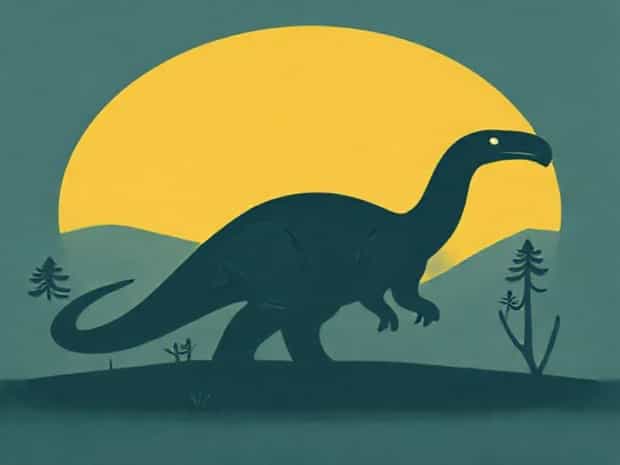
The word sauropod comes from the Greek rootssauros, meaning lizard, andpous, meaning foot. Put together, the term translates to lizard-footed. In paleontology, sauropods refer to a subgroup of long-necked, herbivorous dinosaurs within the larger clade of saurischians. These dinosaurs are famous for their enormous size, long tails, pillar-like legs, and elongated necks. Unlike many other dinosaur groups, sauropods are recognized worldwide as some of the largest animals to have ever walked the Earth.
Key Characteristics of Sauropods
Sauropods shared a collection of traits that distinguished them from other dinosaurs. Their body design was unique, allowing them to thrive as giant herbivores for millions of years.
- Extremely long necks, sometimes stretching over 15 meters in length.
- Small heads compared to the size of their bodies.
- Massive, barrel-shaped bodies with strong, column-like legs.
- Long, whip-like tails used for balance and possibly defense.
- Herbivorous diet, feeding primarily on conifers, ferns, and other prehistoric plants.
These adaptations allowed sauropods to access food sources that smaller herbivores could not, particularly tall trees and vegetation far above the ground.
Evolutionary History
Sauropods first appeared during the Late Triassic period, over 200 million years ago. They flourished throughout the Jurassic and Cretaceous periods, dominating many ecosystems across the globe. Their evolutionary success is evident in the wide variety of sauropod species that developed, from moderately sized forms to giants like Argentinosaurus and Patagotitan, which may have exceeded 100 feet in length and weighed more than 70 tons.
The Rise of Giants
One of the most fascinating aspects of sauropods is their gigantism. Paleontologists have long debated how these animals were able to reach such extraordinary sizes. Some theories suggest their efficient respiratory systems, similar to modern birds, helped them process large amounts of oxygen. Others propose that their long necks allowed them to feed efficiently without moving their massive bodies too often. Regardless of the exact reasons, sauropods represent a remarkable evolutionary achievement.
Examples of Sauropods
The sauropod group includes some of the most famous dinosaurs known today. Each species carried distinctive features while sharing the basic sauropod body plan.
- Brachiosaurus– Recognized for its longer front legs, giving it a giraffe-like posture.
- Diplodocus– Known for its exceptionally long tail and slender build.
- Apatosaurus– Once confused with Brontosaurus, it was a massive Jurassic sauropod.
- Argentinosaurus– One of the largest dinosaurs ever discovered, hailing from South America.
- Camarasaurus– A more robust sauropod with shorter neck proportions.
These examples demonstrate the diversity within the sauropod lineage, which adapted to different environments and ecological roles across millions of years.
Sauropods in Different Continents
Sauropod fossils have been found on nearly every continent, showing that these dinosaurs were highly successful and widespread. In North America, species like Diplodocus and Apatosaurus dominated the Jurassic landscape. In South America, colossal sauropods such as Argentinosaurus thrived during the Cretaceous. Africa has revealed giants like Paralititan, while Asia produced remarkable finds such as Mamenchisaurus, famous for its extremely long neck. Even Antarctica has yielded sauropod remains, proving their adaptability to a range of climates.
Diet and Feeding Habits
As herbivores, sauropods played a major role in shaping prehistoric plant life. Their diet likely included cycads, conifers, and ferns. Their peg-like or spoon-shaped teeth were well-suited for stripping leaves rather than chewing. Instead of chewing food thoroughly, sauropods swallowed vegetation in large amounts, relying on massive digestive systems to process it. This efficient feeding strategy supported their enormous size and energy needs.
Neck Function
The sauropod neck was not just long but also flexible in many species. Some paleontologists believe it allowed them to graze across wide areas of plants without moving much, conserving energy. Others argue that certain sauropods could lift their necks high to reach treetop vegetation, similar to giraffes today. Likely, different sauropod species specialized in different feeding strategies, reducing competition among themselves.
Sauropod Behavior
While much remains uncertain, fossil evidence gives clues about sauropod behavior. Trackways suggest they sometimes traveled in groups, perhaps for protection or to migrate in search of food. Their sheer size likely protected adults from predators, though juveniles may have been vulnerable. Some scientists propose that sauropods used their whip-like tails as defensive weapons, snapping them to deter threats.
Sauropods and Reproduction
Sauropods reproduced by laying eggs, often in large nesting grounds. Fossilized egg sites in Argentina and other regions show that they laid dozens of eggs at a time. Despite the large number of eggs, many young sauropods probably did not survive to adulthood, as they were targets for predators. Those that did survive grew rapidly, reaching gigantic sizes that few predators could challenge.
Sauropods and Extinction
Sauropods, along with all non-avian dinosaurs, went extinct around 66 million years ago during the mass extinction at the end of the Cretaceous period. This event, likely triggered by a massive asteroid impact combined with volcanic activity, disrupted ecosystems worldwide. Before their extinction, sauropods had dominated Earth for over 100 million years, leaving behind a fossil legacy that continues to fascinate scientists and the public alike.
Sauropods in Popular Culture
Because of their size and unique appearance, sauropods have become staples of dinosaur-related media. Movies, documentaries, and books often feature them as gentle giants of the prehistoric world. Their long necks and massive bodies make them instantly recognizable, and they remain a favorite among children and dinosaur enthusiasts. From educational museums to blockbuster films, sauropods symbolize the awe-inspiring diversity of life that once roamed the planet.
Scientific Importance of Sauropods
Studying sauropods provides valuable insights into evolution, biomechanics, and ecology. Paleontologists continue to uncover fossils that reveal new details about their growth patterns, anatomy, and behavior. For example, bone studies show how these animals grew rapidly to enormous sizes, while trackway analysis offers evidence of herd movement. Every new discovery adds depth to our understanding of these remarkable dinosaurs.
The meaning of sauropod goes beyond its simple translation of lizard-footed. It represents one of the most extraordinary groups of dinosaurs, animals that pushed the limits of size, survival, and adaptation. With their long necks, massive bodies, and global distribution, sauropods remind us of the incredible diversity of life that once thrived on Earth. Whether viewed through fossils, scientific research, or popular imagination, sauropods continue to capture human curiosity. By understanding what sauropod means, we not only learn about these giants of the past but also gain perspective on the power of evolution and the ever-changing story of life on our planet.