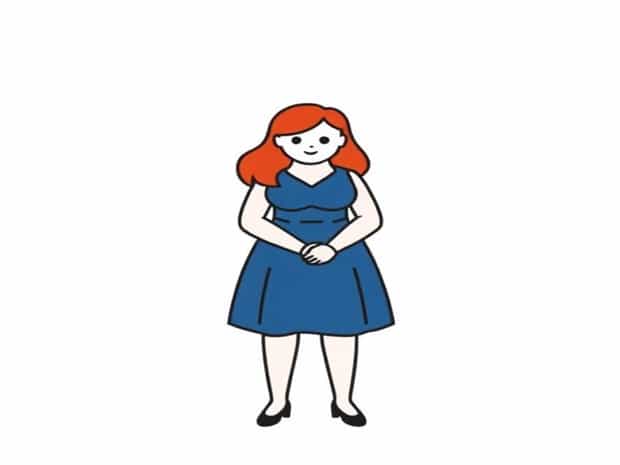
Vicky Pollard Little Britain
Vicky Pollard is one of the most iconic and controversial characters from the British sketch comedy show Little Britain,” which aired from 2003 to 2007. Portrayed by Matt Lucas, Vicky quickly became a household name thanks to her exaggerated personality, fast-talking speech, and the memorable catchphrase “Yeah, but no, but yeah.” Vicky Pollard represents a satirical take on a certain stereotype in British society, combining humor, absurdity, and social commentary. Her character has remained relevant in pop culture due to the sharp writing, memorable performances, and the show’s willingness to push boundaries while highlighting social issues through comedy. Exploring Vicky Pollard’s character involves examining her background, personality traits, impact on audiences, and the broader cultural implications of her portrayal.
Character Profile of Vicky Pollard
Vicky Pollard is depicted as a teenage girl from a working-class background with a rebellious and chaotic lifestyle. She embodies the stereotypical “chav” persona, often seen wearing casual, unkempt clothing and exhibiting behavior that is loud, defiant, and unapologetically brash. Vicky’s speech patterns are rapid, interrupted, and filled with contradictory statements, which became one of the defining features of her character. Despite her comedic exaggeration, Vicky Pollard reflects certain societal issues, including youth disengagement, lack of education, and the challenges of working-class life in Britain. Her character walks a fine line between satire and stereotype, sparking discussion about comedy, representation, and cultural commentary.
Vicky Pollard’s Humor and Satirical Appeal
The humor in Vicky Pollard’s character comes from her absurdity, unpredictability, and exaggerated behavior. Her dialogue often consists of rapid-fire contradictions, nonsensical reasoning, and over-the-top excuses, which create comedic tension and highlight her inability to take responsibility. Matt Lucas’s portrayal emphasizes facial expressions, body language, and timing, making Vicky both hilarious and memorable. Beyond laughs, the satire lies in the reflection of societal attitudes toward youth culture, education, and family life. The character’s humor works on multiple levels, appealing to viewers who enjoy slapstick comedy as well as those who appreciate social critique disguised as entertainment.
Recurring Sketches and Memorable Moments
Throughout “Little Britain,” Vicky Pollard appears in numerous sketches that showcase her distinctive personality. Many scenes revolve around interactions with authority figures, classmates, and social services, where her exaggerated reactions and evasive language create chaos and laughter. One recurring theme involves her avoiding responsibility for her actions, often blaming others or presenting convoluted excuses. These sketches not only provide humor but also offer commentary on societal perceptions of youth delinquency, education, and social welfare. Some of the most memorable moments include her confrontations with teachers, her dismissive attitude toward social services, and her chaotic friendships, all of which reinforce her status as a quintessential “Little Britain” character.
Personality Traits and Character Depth
While Vicky Pollard is primarily known for her comedic qualities, her character possesses several distinct traits that give her depth. She is defiant, stubborn, and resistant to authority, yet these traits also highlight her desire for independence and self-expression. Her rapid speech and contradictory statements reveal both a survival mechanism and a form of social commentary, demonstrating how individuals navigate complex societal expectations. Vicky’s interactions often expose vulnerabilities, even if subtly, suggesting that her rebellious behavior may stem from frustration or marginalization. This complexity ensures that she remains more than just a caricature, offering audiences insight into the challenges faced by some young people in modern society.
Cultural Impact of Vicky Pollard
Vicky Pollard quickly became a cultural phenomenon in the United Kingdom and beyond. Her catchphrases, mannerisms, and style have been widely referenced in popular media, from television parodies to social commentary. The character sparked conversations about comedy’s role in representing social issues, particularly how humor can both challenge and reinforce stereotypes. While some critics argued that Vicky Pollard perpetuated negative images of working-class youth, others praised the show for its satirical approach, using exaggeration to highlight societal problems in a humorous and engaging way. The lasting impact of Vicky Pollard reflects the power of television comedy to influence public perception, shape cultural dialogue, and create enduring pop culture icons.
Controversies and Criticism
Despite her popularity, Vicky Pollard has also been a source of controversy. Critics have pointed out that the character’s exaggerated stereotypes may reinforce negative perceptions of working-class youth, particularly teenage girls. The use of satire in “Little Britain” often involved pushing boundaries, and some viewers felt that certain portrayals were insensitive or offensive. However, supporters argue that the show’s intent was to lampoon societal attitudes rather than individual groups, using exaggeration to highlight absurdities and provoke reflection. This dual reception underscores the complexity of creating comedy that is both funny and socially relevant, as well as the challenges of addressing sensitive topics through satire.
Legacy and Influence
Vicky Pollard remains one of the most recognized characters from “Little Britain,” influencing comedy, pop culture, and media representation. Her unique combination of humor, satire, and social commentary continues to inspire discussions about the role of television in shaping public perceptions. Beyond the show, references to Vicky Pollard appear in comedy sketches, online memes, and public discourse, demonstrating her enduring relevance. The character’s legacy lies not only in her comedic appeal but also in her ability to provoke thought and conversation about youth, class, and social stereotypes. Vicky Pollard has solidified her place in British comedy history as a character who is both entertaining and thought-provoking.
Lessons from Vicky Pollard
While Vicky Pollard is a fictional character designed for humor, her portrayal offers lessons about communication, societal perception, and the use of satire in media. She exemplifies how exaggerated behavior can highlight real societal issues, such as youth disengagement, social inequality, and educational challenges. Additionally, Vicky’s popularity demonstrates the importance of memorable character creation, timing, and performance in comedy. Viewers can appreciate both the laughter she generates and the underlying social critique embedded in her sketches, making Vicky Pollard a multifaceted figure in British television history.
Vicky Pollard from “Little Britain” is an unforgettable character whose comedic brilliance and satirical depth have left a lasting mark on British television and pop culture. Through her fast-talking, contradictory, and chaotic behavior, she captures the absurdities of youth culture while simultaneously entertaining and provoking thought. Her influence extends beyond humor, offering insight into societal perceptions, stereotypes, and the challenges of adolescence in a comedic context. Vicky Pollard’s enduring appeal, despite controversy, reflects the power of well-crafted characters to entertain, educate, and spark discussion. She remains a symbol of “Little Britain’s” bold, irreverent, and impactful approach to comedy, cementing her status as a true icon of British television.